



How Oncoplastic Surgery Is Changing Breast Cancer Care
Key Takeaways
- Oncoplastic surgery combines cancer removal with plastic surgery techniques to reshape or restore the breast
- For an aspiring tax attorney, learning about the option helped restore a sense of control and confidence after her diagnosis
- Moffitt incorporates oncoplastic techniques into fellowship training, and its surgeons teach the approach through national surgical societies
Amanda Cochran had finally worked up the courage to start over.
At 51, the Coral Springs, Florida resident had been accepted into a tax law program at Northwestern University. She had attended law school in Chicago and was preparing to move back, return to the classroom and resume the career she wanted.
Then came a breast cancer diagnosis.
Cochran postponed her plans. But what frightened her went beyond losing a year. She worried that treatment would change how she saw herself and take away the confidence she had needed to make the leap.
“I wanted to feel like myself again. I wanted to feel confident. I wanted to feel like I could tackle anything,” she said.
Her first surgical consultation left her with questions about what her breasts would look like after a lumpectomy. Removing the cancer was her priority, but she also wanted to understand how surgery might affect her body and her life afterward.
So, she sought a second opinion at Moffitt Cancer Center.
A Conversation That Changed Her Options
Seeking a clearer picture of her options, Cochran turned to Nicholas Champion, MD, a breast surgical oncologist at Moffitt. She expected him to confirm the treatment plan she had already heard. Instead, he pulled up her MRI and walked her through an approach she had never heard of: oncoplastic breast surgery.
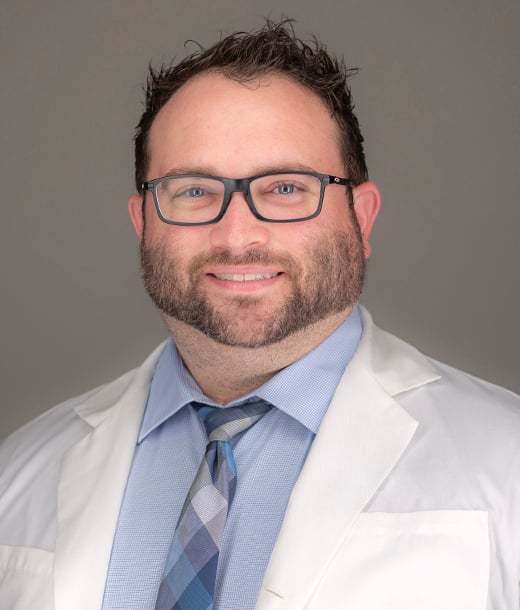
The approach combines cancer removal with plastic surgery principles, allowing surgeons to reshape the breast during breast-conserving surgery. Depending on the patient, it can involve rearranging nearby tissue, lifting or reducing the breast or operating on the opposite breast to improve symmetry.
For Cochran, whose family members also experienced breast cancer, it opened a conversation she had not known to ask for.
She wanted the tumors removed, but she also wanted to feel comfortable in her body. At first, she questioned whether caring about appearance made her vain. As she learned more, she recognized that her concerns were tied to something deeper: her confidence and sense of self.
“I need ownership and I need to feel comfortable,” she said.
Champion explained a plan to remove the tumors, reshape the affected breast and adjust the other breast for symmetry. For Cochran, it addressed both her priority of treating the cancer and her hope of feeling like herself afterward. She chose to move forward.
For Champion, success begins with treating the cancer, but it also means helping patients return to their normal activities, preserving function and ensuring they feel comfortable with how they look and feel after surgery.
That focus reflects a broader shift in breast cancer care toward survivorship.
“You’ve got to look in the mirror for the rest of your life,” Champion tells patients. The goal, he said, is for patients to see themselves — not simply a reminder of what cancer took from them.
That balance is central to oncoplastic breast surgery: treating the cancer while considering how a patient will heal, feel and see herself after surgery.
Helping Shape the Future of Breast Surgery
As the only healthcare center in the community performing this type of surgery, Moffitt’s experience with oncoplastic surgery extends beyond the patients treated in its operating rooms. Its surgeons also teach these techniques to fellows and practicing surgeons, helping more physicians incorporate breast reshaping into cancer surgery.
Champion described a shift toward training breast surgeons in both cancer removal and techniques to restore breast shape. At Moffitt, he says, the breast surgical oncology fellowship has expanded from two to three fellows annually, with oncoplastic education incorporated from the beginning.
“Our fellows learn these techniques from day one, so they can build it into their practice in the future,” Champion said.
He also teaches oncoplastic courses through national organizations, including the American College of Surgeons, the Society of Surgical Oncology and the American Society of Breast Surgeons. The goal is to help practicing breast surgeons learn techniques that may not have been part of their original training.
That educational work connects to an important challenge: patients may not know these options exist unless their surgeon can discuss and offer them.
At Moffitt, the surgical approach is supported by specialists across breast cancer care. Breast radiologists help locate tumors and guide surgical planning. Pathologists examine removed tissue and margins. Medical and radiation oncologists coordinate other treatment a patient may need.
The right operation still depends on the cancer, a patient’s health, breast size and shape, and their goals. For some patients, oncoplastic techniques can make breast conservation possible when a mastectomy might otherwise have been recommended.
Looking Ahead Again
After surgery, Cochran was pleased with her results. “I completely feel like myself again,” she said.
That confidence has helped her approach the next phase of treatment and look forward to the plans she had put on hold. Northwestern allowed her to defer her admission for a year, and she plans to begin the tax law program next fall.
For other women facing breast cancer, Cochran encourages asking questions, exploring surgical options and seeking a second opinion. She had never heard of oncoplastic surgery before meeting Champion, and learning about it helped her feel informed and in control of her care.
Her advice is to find a team that considers both the cancer and the person going through treatment, including concerns, circumstances and goals for life afterward.
For Cochran, the future she had feared losing was coming back into focus.
 Medically reviewed by Nicholas Champion, MD, Breast Oncology Department
