

Make a New Year’s Resolution to Schedule Your Recommended Cancer Screening
With the dawn of a New Year now on the horizon, many people are taking stock of their lifestyle and resolving to make some healthy changes. January 1st is often seen as a new beginning—a perfect time to embark on a plan to exercise more, eat healthier, quit smoking, or kick another harmful habit to the curb for good.
While all of these goals are common—and excellent—New Year’s resolutions, there is another important health-related objective that is often overlooked in late December: cancer prevention through recommended cancer screenings.
Several research studies suggest that approximately one-third of all cancers diagnosed each year could be prevented by making some positive—and often simple—lifestyle choices. Before you ring in another New Year, Moffitt Cancer Center urges you to talk with a physician about the cancer screenings that are appropriate for you and to commit to taking the steps necessary to prevent or detect cancer early, when it is most treatable.
Why Are Cancer Screenings Important?
Cancer screenings can help detect certain cancers before symptoms develop or identify cancer at an early stage, when treatment is often most effective. Screening recommendations vary based on age, sex assigned at birth, personal and family medical history, and other risk factors. Discuss your individual screening needs with your physician.
Recommended cancer screening tests
Moffitt suggests the following screening guidelines for individuals who do not have an elevated risk of cancer due to a personal or family history, environmental exposures, a weakened immune system or other factors:
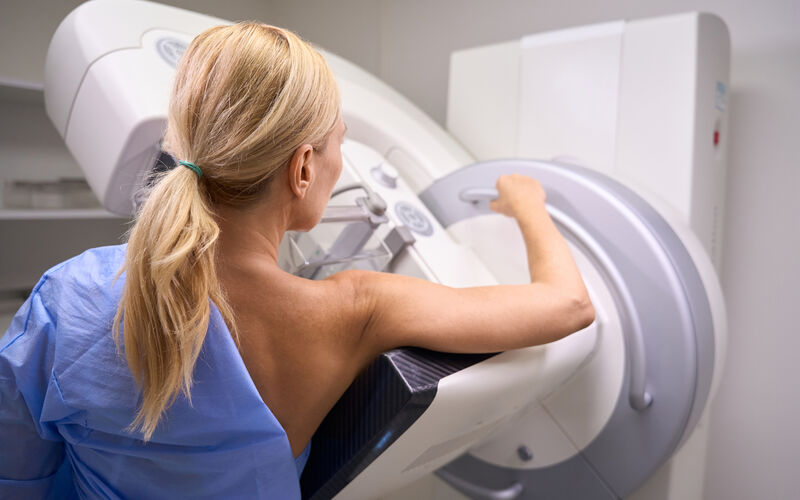
- Breast cancer – A mammogram performed annually beginning at age 40 (for women)
- Cervical cancer – An HPV test every five years, a Pap test every three years, or a combination every five years beginning at age 30 (for women)
- Skin cancer – A head-to-toe skin check performed annually
- Prostate cancer – A digital rectal exam or prostate-specific antigen (PSA) test performed at a physician-recommended interval beginning at age 55 (for men)
- Lung cancer – A low-dose CT scan performed regularly for current and former smokers between the ages of 55-80
- Colorectal cancer – A colonoscopy or high-sensitivity blood test performed every 10 years beginning at age 50
Talk With Your Physician About the Right Cancer Screening Schedule
These recommendations are intended for individuals at average risk and may not apply to everyone. People with a personal or family history of cancer, certain inherited genetic conditions, environmental exposures, a weakened immune system, or other risk factors may need to begin screening earlier or be screened more frequently. Your physician can help determine the screening schedule that is right for you.
Additionally, the American Cancer Society recommends incorporating a cancer-related check-up into every routine health examination. This check-up may include health counseling and, depending on an individual’s age and gender, exams for cancers of the thyroid, oral cavity, skin, lymph nodes, testes and ovaries.
Making cancer prevention one of your New Year’s resolutions is a meaningful step toward protecting your health. Scheduling recommended screenings and staying current with routine preventive care can help detect cancer early, when treatment is often more successful.
