Melanoma mRNA Vaccine Shows Promise in Preventing Disease Recurrence
Key takeaways:
- Phase 3 trial finds personalized intismeran plus pembrolizumab may better prevent high-risk melanoma recurrence after surgery
- The trial enrolled 1,137 patients and builds on phase 2 results showing about half the recurrence risk
- Moderna and Merck plan to present detailed findings and pursue potential regulatory approval for the treatment
New research from a phase 3 clinical trial is showing further promising results for preventing melanoma recurrence after surgery.
Intismeran, a personalized mRNA vaccine, helped prevent the deadly skin cancer from returning and allowed those with high-risk disease to live longer, trial data showed.
Moffitt Cancer Center was among the participating research sites in the trial developed by Moderna and Merck, which enrolled 1,137 patients with high-risk melanoma following surgery.
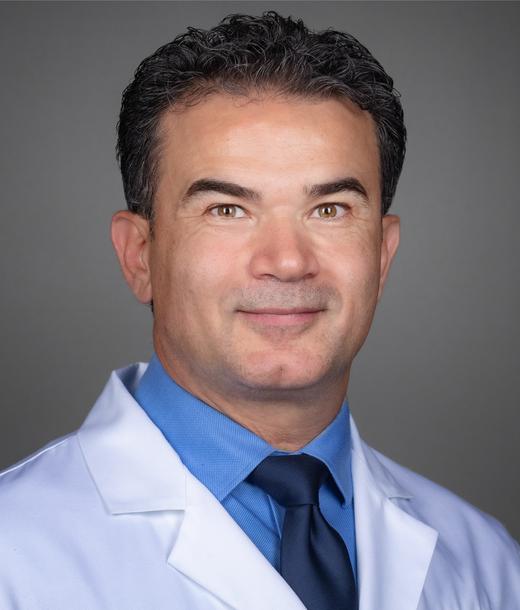
“Moffitt played a major role in the conduct of the phase 3 trial that enrolled and treated patients at our center,” said Ahmad Tarhini, MD, PhD, Moffitt’s Cutaneous Clinical and Translational Research director. “This immunotherapy regimen is bound to change the standard of care pending FDA approval.”
Tarhini served as Moffitt’s site principal investigator and has led several studies in adjuvant therapy over the years.
How it Works
The trial consisted of using intismeran, a personalized cancer vaccine immunotherapy designed and produced using genetic information from a patient’s own tumor, combined with pembrolizumab (Keytruda), an immunotherapy drug that is widely used to reduce the risk of melanoma recurrence.

Moffitt Cancer Center was among the participating research sites in the trial.
After a piece of the patient’s tumor is removed, it is analyzed in the lab to identify any unique mutations. That information is used to make the mRNA vaccine, which delivers synthetic mRNA into cells. While Keytruda harnesses the immune system to recognize the cancer, the vaccine helps train the immune system to attack.
The mRNA technology played a major role in the development of the Covid-19 vaccine and reignited research into therapeutic cancer vaccines.
In the phase 3 trial, researchers found the combination treatment could provide additional protection against melanoma returning or spreading to other parts of the body.
The latest findings build on earlier results showing that, after five years, patients who received intismeran combined with Keytruda had about half the risk of melanoma recurrence compared to those who received Keytruda alone. The results from the phase 2 trial were presented at the 2026 American Society of Clinical Oncology Annual Meeting.
Impact on Standard of Care
Merck and Moderna say they plan to present detailed data from the trial at an upcoming international medical meeting and engage with regulators on potential filings for approval.
“By intervening earlier in the course of disease, when many cancers are considered most treatable, the goal of adjuvant therapy given after surgery is to increase the possibility of cure for more patients,” said Dean Y. Li, MD, PhD, Merck Research Laboratories president.
Previous findings shared this summer showed patients who received intismeran with Keytruda were less likely to have their melanoma return.
Melanoma is considered the deadliest form of skin cancer because of its ability to grow and spread quickly. The American Cancer Society estimates that about 112,000 new cases of melanoma will be diagnosed in the United States in 2026.
The personalized mRNA vaccine approach is also being tested to prevent the recurrence of lung and other cancers.
Moffitt remains dedicated to advancing innovative cancer research and developing new approaches that can help prevent cancer from returning, with the ultimate goal of improving outcomes and saving more lives.
 Medically reviewed by Ahmad Tarhini, MD, PhD, site principal investigator and Cutaneous Clinical and Translational Research director