

Moffitt Program Helps Faculty Strengthen the Science of Mentorship
Key Takeaways:
- Moffitt’s mentorship program helps oncology faculty strengthen communication, inclusion and mentoring skills through evidence-based training
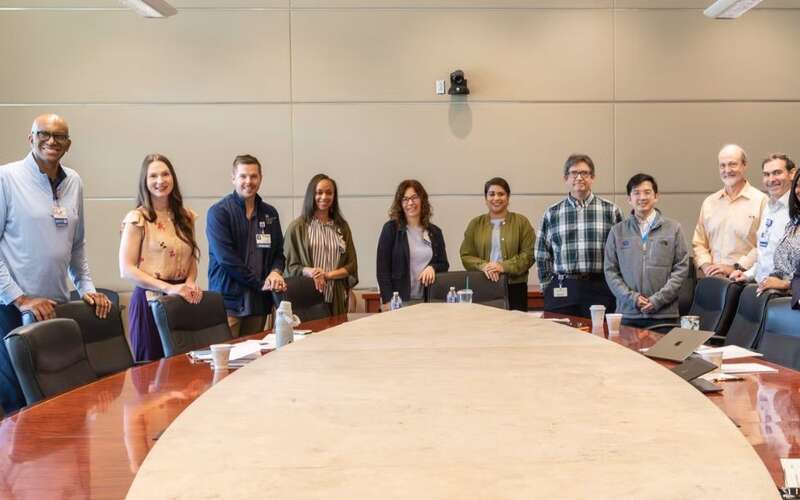
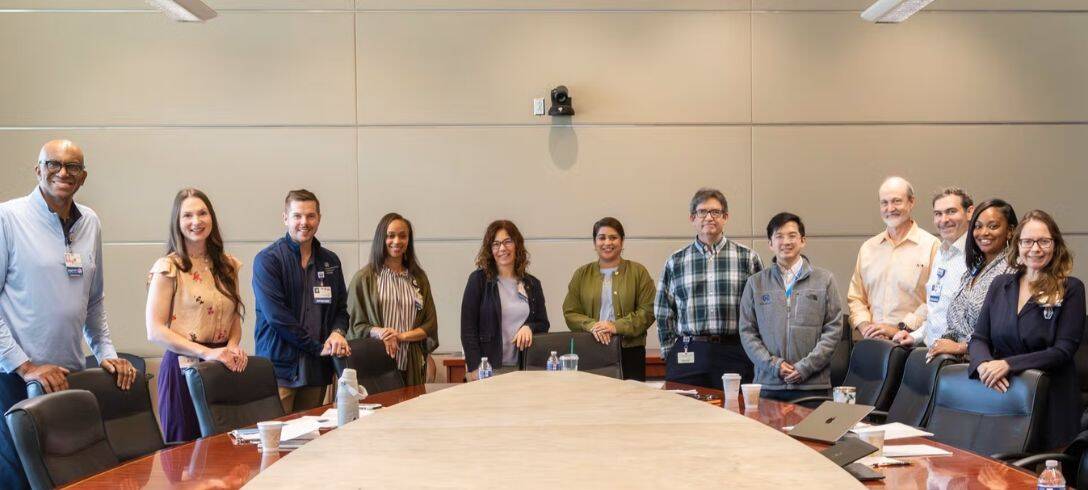
- About 25 Moffitt Research Institute faculty members completed the small-cohort program since launching in spring 2025
- Symposium findings showed measurable improvements in listening, communication and intentional support for research trainees
At Moffitt Cancer Center, mentorship is being approached with the same intentionality and evidence-based focus as scientific research itself.
Through the Excellence in Person-Centered Mentorship Program, faculty within the Moffitt Research Institute are learning how stronger communication, cultural awareness and intentional mentorship practices can help shape the next generation of oncology researchers.
Building a More Intentional Approach to Mentorship
Tyler Hodges, a senior advisor at Moffitt’s Office of Enterprise Engagement and Impact, presented findings from the program during the Moffitt Scientific Symposium, highlighting data and experiences collected from all three faculty cohorts facilitated since spring 2025.
The presentation showcased how the program is helping faculty strengthen mentoring relationships while fostering more inclusive and supportive research environments.
“We believe mentorship is directly connected to scientific excellence,” Hodges said. “When people feel seen, heard and valued, they are better positioned to thrive, innovate and contribute meaningfully to cancer research.”
Evidence-Based Training for Oncology Faculty
Developed collaboratively by the Office of Enterprise Engagement and Impact and Research Career Development, the Excellence in Person-Centered Mentorship was created to support faculty mentors through a structured, person-centered approach tailored specifically to oncology sciences.
The curriculum builds on nationally recognized mentorship training models focused on communication, inclusion and professional growth. Through the program, faculty develop skills in effective communication, setting clear expectations, fostering independence, supporting career development and creating more culturally responsive mentoring relationships. Participants are also encouraged to reflect on and strengthen their own mentoring philosophy.
“There’s often an assumption that mentorship is intuitive,” Hodges said. “But mentorship is a skill set. There are frameworks, competencies and best practices that can strengthen how we support mentees.”
Small Cohorts Creating Meaningful Conversations
Since launching last spring, approximately 25 research faculty members have completed the program through intentionally small cohort sessions designed to encourage deeper engagement and discussion.
The symposium findings revealed measurable growth in several key mentorship competencies, particularly in listening, communication and recognition of mentees.
“The strongest improvements we saw were around communication and helping mentors become more intentional in how they support others,” Hodges said. “People want to be seen, heard and valued, and mentorship plays an important role in creating that experience.”
Faculty Reflect on Their Mentorship Growth
Participants also shared how the program changed the way they approach mentoring relationships.
“I’ve become more deliberate in setting expectations early on,” one faculty mentor shared in the study findings. “Before, I would kind of let those things evolve naturally, but now I’m more proactive about having those conversations upfront.”
Another participant described the value of learning alongside colleagues from different disciplines and career stages.
“I think having it in a group setting with the opportunity to learn from others is a big strength,” the mentor said. “It was useful having participants from different phases of their career to provide a breadth of experience.”
Supporting the Future of Cancer Research
For Hodges, one of the most rewarding parts of the program has been seeing mentors apply what they’ve learned in real time.
During the symposium, she watched mentors proudly support trainees presenting their research findings. This was a visible reflection of the relationships being strengthened through the program.
“One of our mentors had a few mentees presenting at the symposium,” Hodges said. “Seeing that level of support and investment really showed the impact intentional mentorship can have.”
As interest in the program continues to grow, Hodges hopes the Excellence in Person-Centered Mentorship will help further strengthen Moffitt’s culture of mentorship and professional development.
“At the end of the day, mentorship is a human being investing in another human being,” she said. “When we intentionally invest in people, the impact extends far beyond one lab or one project. It helps shape the future of cancer research.”
