

New Oral Targeted Therapy Shows Benefit in Hard to Treat Cancers
For many people with advanced cancer, treatment options grow fewer after standard therapies stop working. That is especially true for cancers driven by certain molecular pathways with gene mutations that keep tumor cells alive and active. Early results from a Moffitt Cancer Center clinical trial now point to a new investigational targeted therapy that may help treat some of these hard-to-treat cancers.
The treatment, called NST628, is designed to block a key molecular pathway that cancer cells rely on, helping to halt their growth. New research, presented at the American Association for Cancer Research annual meeting, shows signs of benefit and cancer shrinkage in patients with advanced melanoma, colon, ovarian, cervical and thymic cancers. These diseases often resist treatment.
Connector Drug
NST-628 is what scientists call a connector drug. Instead of blocking a single target, it binds two cancer related proteins together so they cannot send growth signals. This shuts down a major cell signaling pathway, RAS-MAPK, which is altered in about 4 out of every 10 cancers.
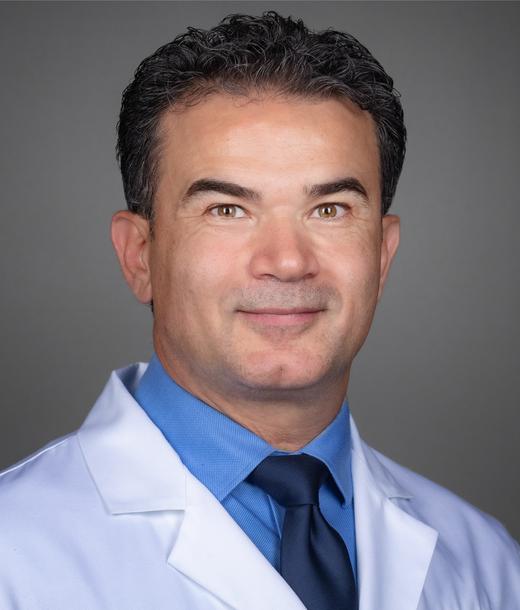
Ahmad Tarhini, MD, PhD
“Prior therapeutic strategies directed at this pathway in such resistant tumors frequently failed to demonstrate efficacy, driven by the inherent ability of resistant cancer cells to bypass the inhibited signaling proteins,” said Ahmad Tarhini, MD, PhD, a medical oncologist in the Cutaneous Oncology Department and lead investigator of the study. “This novel inhibitor disrupts cellular signaling by forming an inactive complex formation between two key protein targets, disrupting cancer driving signals and limiting tumor growth.”
The medicine comes as a pill and can pass into the brain, a common location for melanoma metastases. Many older targeted drugs struggle to reach brain tumors and show limited benefit once cancer spreads to that area.
'Remarkable' Results
The phase 1 study enrolled 69 people with advanced solid tumors that no longer responded to standard treatment. Nearly half had melanoma. Others had pancreatic, colorectal, ovarian, cervical and thymic cancers. All tumors carried mutations in RAS or RAF genes that drive cancer growth.
Among patients with certain melanoma gene changes, doctors saw tumor shrinkage in about 38% of cases. Responses were seen in 33% of all patients treated, including patients with ovarian, cervical, thymic and colorectal cancers.
“Observing this level of clinical activity in an early phase dose-finding study of patients who have already gone through many treatments is remarkable,” Tarhini said. “Their cancers had continued to worsen on other therapies prior to joining the study, yet we clear evidence of tumor responses and clearance of circulating tumor DNA in patients’ blood tests.”
Researchers will keep following patients to learn how long the effects last and which cancers respond best. Larger studies will be needed to confirm the findings and see how the drug works when combined with other treatments.