

Nurse Scientists Turn Bedside Questions Into Cancer Care Answers
Key Takeaways:
• Moffitt nurse scientists turn patient care observations into research that improves cancer treatment experiences
• A pilot study using starlight therapy before chemotherapy significantly reduced anxiety in women starting treatment
• Nursing research focuses on symptom management, quality of life and evidence-based care for patients and caregivers
Cancer research does not always start with a microscope.
Sometimes, it starts with a nurse noticing a pattern, a patient describing a symptom or a family asking a question that does not yet have an answer.
At Moffitt Cancer Center, nurse scientists turn those everyday moments into research that can improve how patients experience cancer care.
Nursing research looks at how care is delivered, how symptoms are managed and how health care systems can better support people during some of the most vulnerable moments of their lives.
“I was drawn to nursing early on, first through volunteering with my middle school nurse and later through my fascination with immunology and cancer,” said Tina Mason, director of nursing research at Moffitt. “I used to picture myself working in a lab helping cure cancer, but once I entered nursing research, I realized I could combine science, patient care and discovery. I was hooked.”
What Does a Nurse Scientist Do?
For people outside health care, the term “nurse scientist” may not be familiar. So, what does a nurse scientist actually do?
Mason describes the role as someone who takes real-world problems in health care and turns them into research questions that can improve care at the bedside or chairside.
“We study how patients experience illness and treatment, how nurses deliver care and how systems can work better. We then use that evidence to drive meaningful change,” she said. “In short, we make sure care isn’t just well-intentioned, but truly evidence based.”
One common misconception is that nursing research is only academic or removed from patient care. Some may assume nurse scientists work mainly in a laboratory or with clinical trials. But nursing research is deeply connected to practice.
“Much of nursing research starts with frontline observations — what nurses and patients notice every day — and leads directly to questions about how we can improve practice, change education or develop new models of care,” she said.
From Questions to Patient Care
There is no typical day in nursing research.
“My work includes mentoring nurse investigators, helping develop research questions and protocols, collaborating with interdisciplinary teams, conducting research, translating findings into practice recommendations and sharing results through presentations and publications,” Mason said.
Nurse scientists then help shape those ideas into studies that are meaningful and methodologically sound.
One Moffitt study that came from that process focused on reducing anxiety in women beginning chemotherapy.
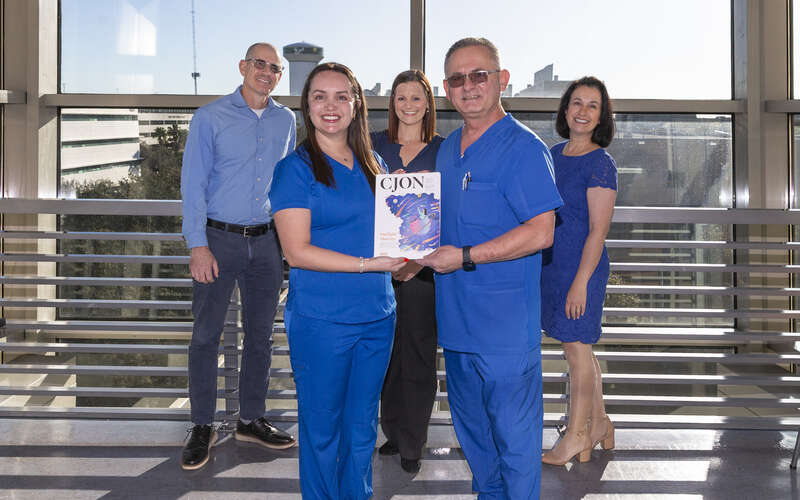
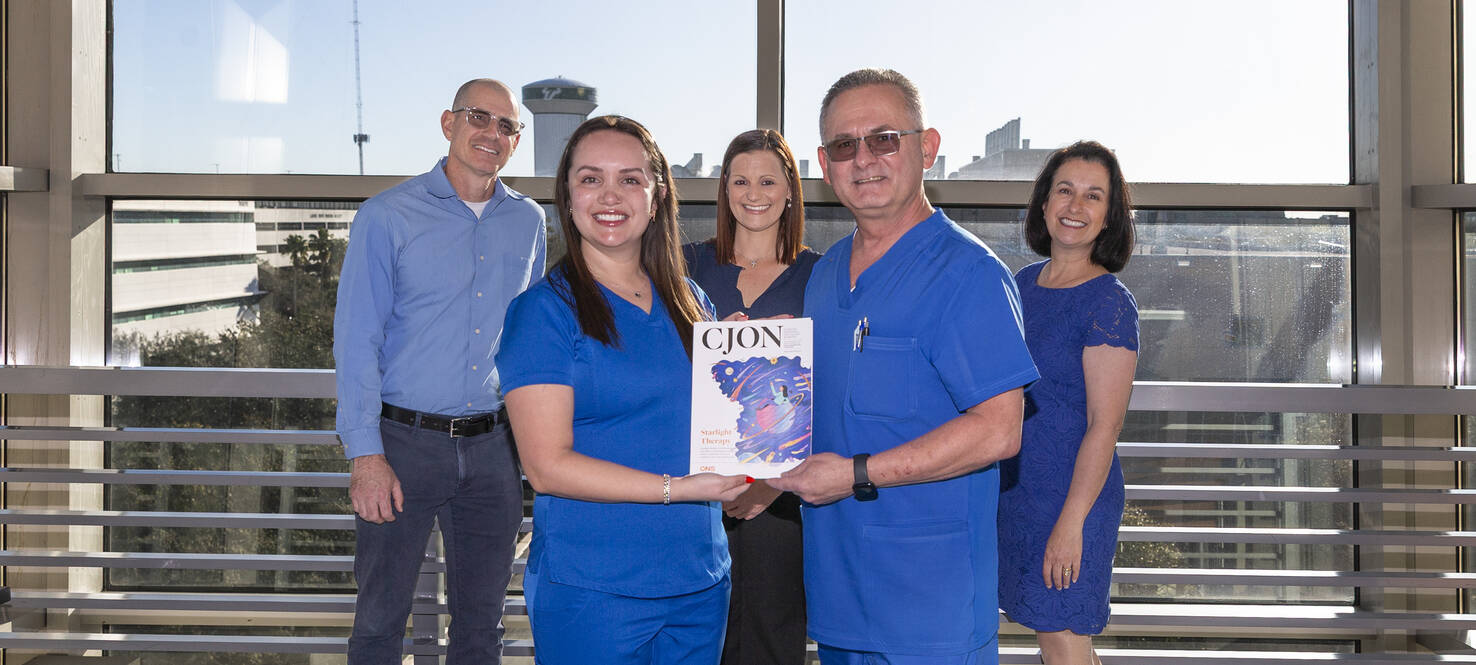
The pilot study used starlight therapy, a calming experience with a laser star projector in a darkened room. The goal was to create an immersive stargazing environment for patients before chemotherapy.
The study showed a significant reduction in anxiety. Based on the results, Moffitt is now opening permanent starlight rooms for patients and caregivers.
“At Moffitt, nursing care is evidence based and that shows up at the bedside through more consistent, compassionate and effective care — whether that means better symptom management, stronger communication or care that aligns with what matters most to patients,” Mason said.
Collaboration Is Key
Nurse scientists do not work alone. They collaborate with frontline nurses, nurse leaders and interdisciplinary teams, depending on the research topic.
Nurses often identify clinical problems, while other team members bring additional expertise. “That collaboration ensures research is rigorous, relevant and implementable,” Mason added.
The field also faces major unanswered questions, especially in cancer care. Many of them relate to quality of life, including symptom burden, caregiver well-being, survivorship and the long-term effects of cancer and treatment.
There are also questions about how to sustain and support the nursing workforce while continuing to provide high-quality, compassionate care.
“Helping teams see that their questions matter and that their work leads to meaningful, statistically sound results is powerful,” she said. “Watching their excitement in those moments is one of the most rewarding parts of my role.”
In a field that is not always widely recognized, nurse scientists are helping answer questions that begin in everyday care but can shape the future of oncology nursing.
