

Patient-Centered Visualization in Telehealth Aims To Improve Visit Quality
Key takeaways:
- Study finds an interactive visualization tool improved patients’ understanding during virtual lung cancer consultations
- All 32 patients said the tool improved their understanding of their medical situation and they would review it again
- Nearly 1 in 4 Moffitt outpatient visits are now conducted virtually, underscoring the need for clear communication
A new study from Moffitt Cancer Center found overwhelmingly positive feedback from patients who used an interactive visualization aid during virtual consultations for lung cancer.
The study explored how digital communication tools could help patients better understand their diagnosis, treatment options and following steps in their care.
“People said they want a visual representation, they want to see the model, they want to be walked through it,” said Simran Polce, MD, presenting author of the study and a resident in Moffitt’s radiation oncology program.
Telehealth has grown in popularity since the COVID-19 pandemic but virtual visits can present challenges like technical issues and limited visual support during complex medical discussions. For patients navigating a cancer diagnosis, explaining treatment options without visual support can make it more difficult to understand what steps to take.
“Many people are visual learners. Visuals help patients understand the complexities of their diagnosis, lowering their anxiety and enhancing their confidence,” said Louis Harrison, MD, MyCareGorithm CEO.
How Digital Tools Worked
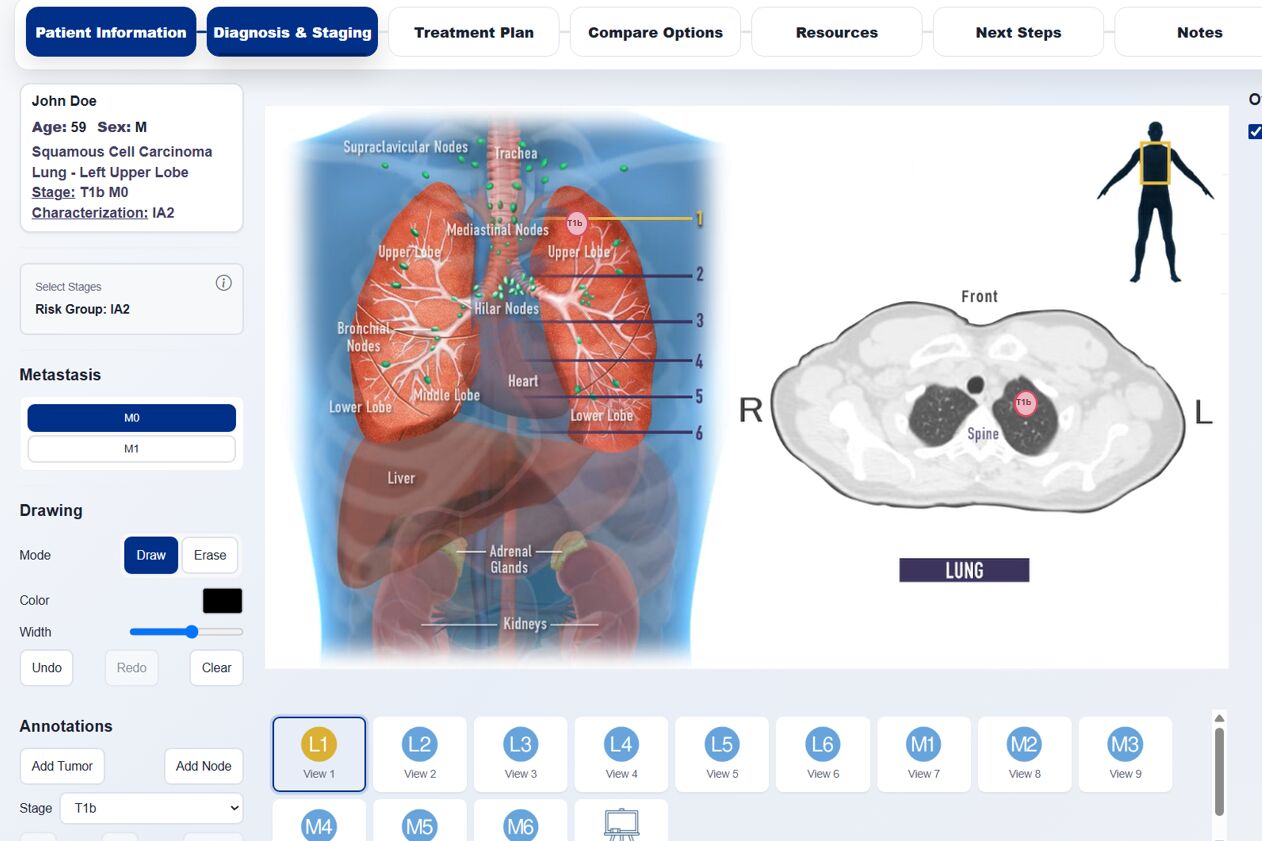
Using MyCareGorithm, physicians provided patients a more visual way to understand their cancer and treatment plan options during a telehealth visit.
For example, the tool allows physicians to customize a general human body schematic to show the location of a patient’s tumor. Physicians can also illustrate how treatment may look and show how specific anatomical features may influence treatment decisions.
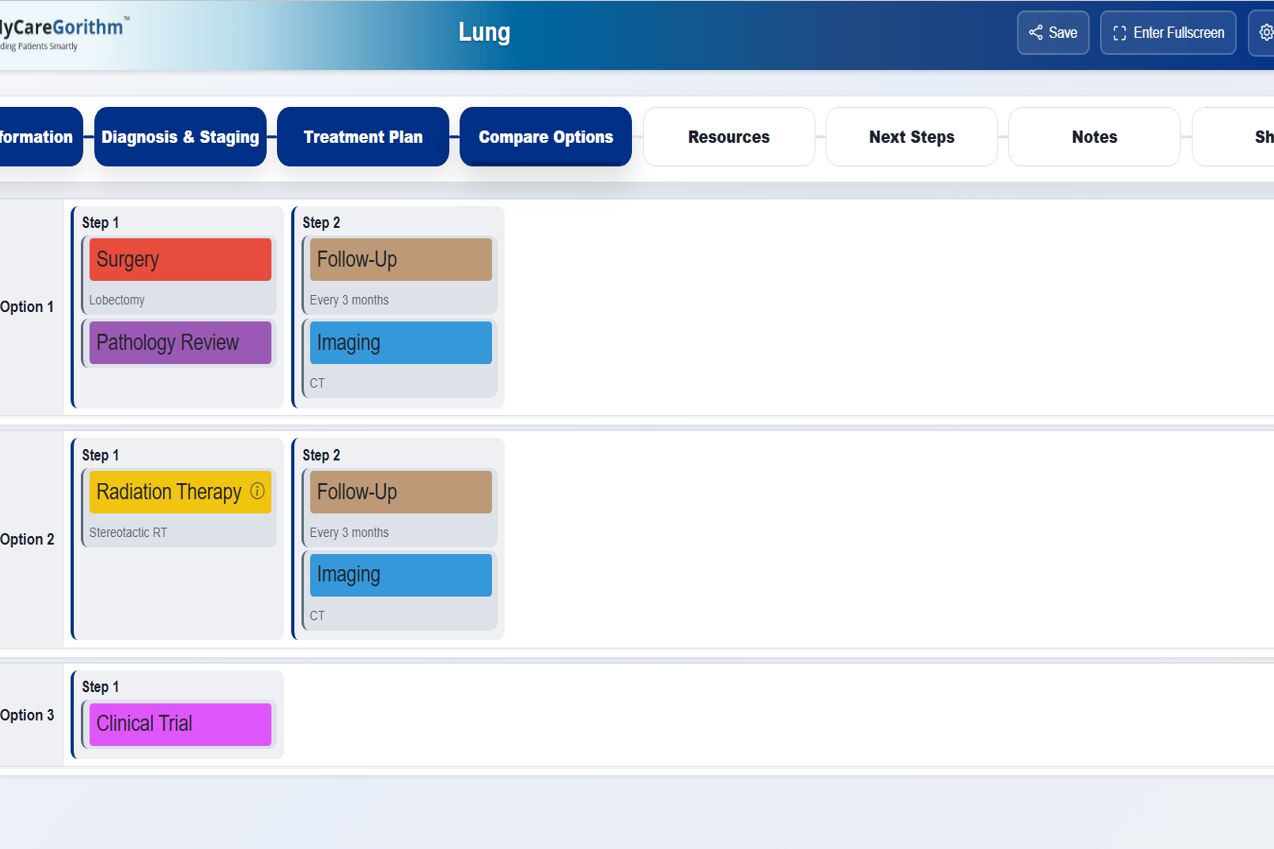
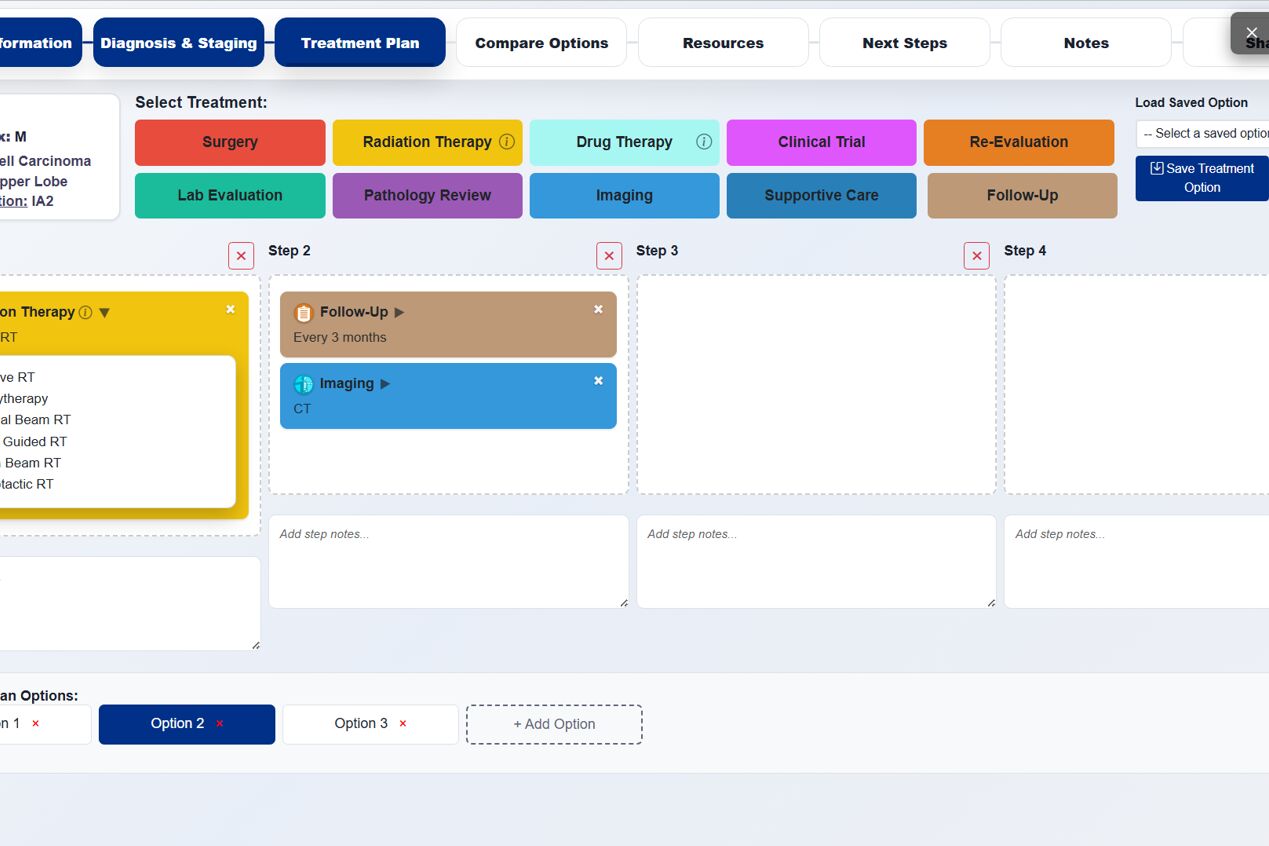
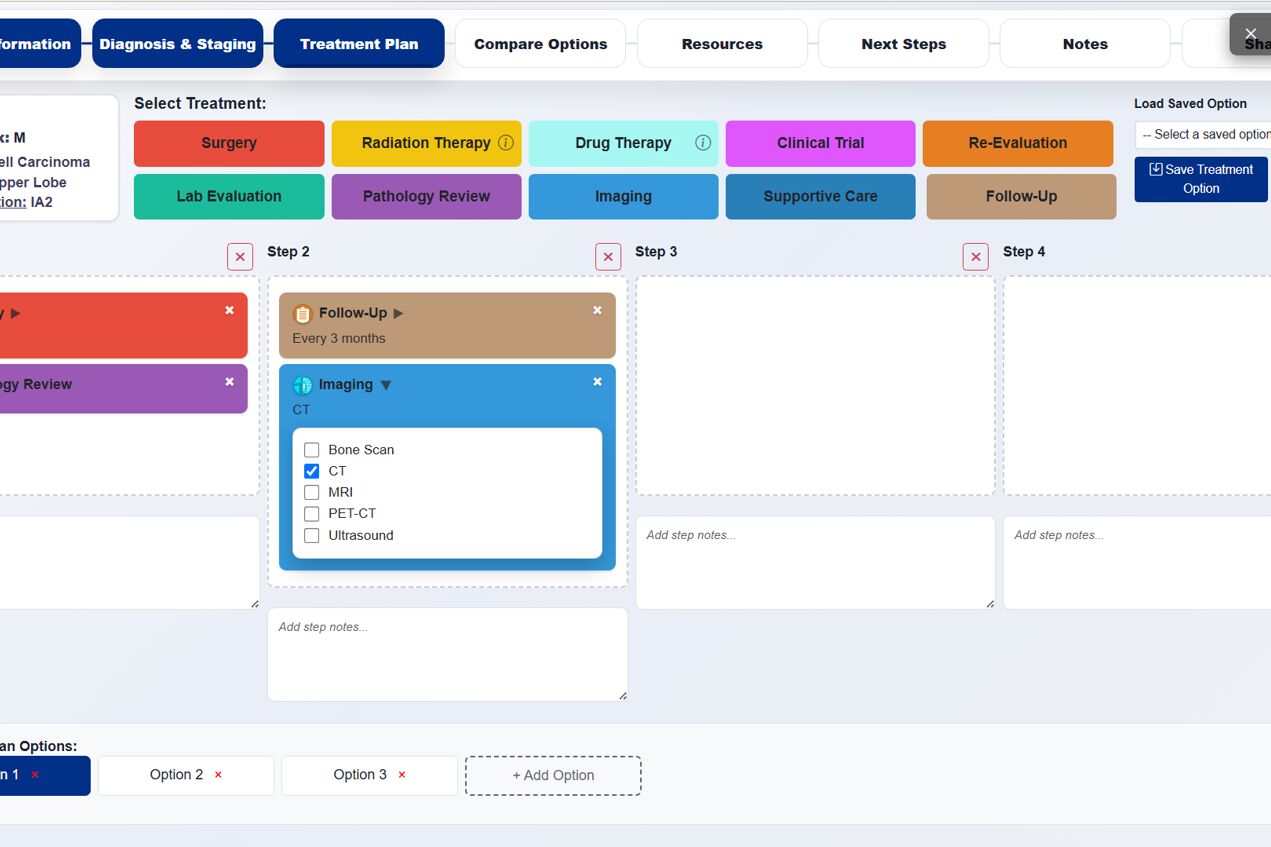
The platform can also help physicians lay out different treatment options and what happens after each option, including appointments, simulations, treatments and follow-up care.
Rather than simply telling patients that treatment may take several weeks, the platform provides a visual timeline showing what patients can expect throughout the treatment process.
“A lot of times, there is more than one right answer. The beauty of cancer care is that we can personalize it for the patients in front of us, but oftentimes , that is quite overwhelming,” Polce said. “This platform answers that opportunity.”
Patients can also take the information with them after the consultation and reference it as they continue through treatment.
Advantages for Radiation Treatment
Without visual communication aids, patients may have to rely on abstract verbal explanations to understand the impact of their radiation treatment. Polce says this can leave patients uncertain about the impact of the treatment.
“You're really just talking in abstract concepts the whole time, and you're hoping that whoever's talking to you as the provider can be a good illustrator and can be a good storyteller,” Polce said.
The digital tool gives patients something tangible to reference, helping them visualize their diagnosis, treatment options and next steps.
Study results
A total of 32 patients participated in the study and anonymously responded to seven survey questions. All patients who responded say the tool improved understanding of their medical situation and they would review the tool again if it were available.
Other results include:
- 96.8% reported improved disease understanding
- 96.7% reported improved treatment understanding
- 100% reported improved understanding of their medical situation
- 100% said they would review the tool again if it were available
- 96.8% said they would recommend it to other patients
- 96.7% reported an improved virtual visit experience
Bigger Picture
“Telehealth continues to grow across health care, making clear and effective communication during virtual visits increasingly important, particularly when patients are making complex decisions about their cancer care,” said Stephen Rosenberg, MD, MS, Moffitt’s Adaptive Radiation Therapy director.
The study highlights an opportunity to enhance the way complex diagnoses and treatment plans are communicated during virtual consultations as they continue to grow in popularity.
Moffitt provides top-notch expertise through its Virtual Care Clinic, which expanded for broader use in late 2018 and grew rapidly following the COVID-19 pandemic, when virtual visits increased by 5,000%.
Now, nearly 1 in 4 outpatient visits — about 23% — are conducted virtually, totaling more than 100,000 virtual patient visits so far in fiscal year 2026.

All patients who responded say the tool improved understanding of their medical situation.
The goal is to integrate this type of digital aid into the virtual consultation process without disrupting clinic efficiency, while helping patients leave their visits with a clearer understanding of their diagnosis, treatment options and next steps.
“I think the next evolution of all of this is saying, well, it clearly works across multiple disease sites, not just thoracic, not just prostate. It's not an individual entity, but rather a global opportunity to improve patient education and the consultation process,” Polce said.
 Medically reviewed by Simran Polce, MD, Radiation Oncology Program