Patient Composes Songs Inspired by Glioblastoma Journey
Key takeaways:
- More than two years after a glioblastoma diagnosis, Moffitt patient Dan Helphrey is sharing hope for other patients
- Initially given about two months to live, Helphrey now copes through music while continuing treatment and regular MRI scans
- Glioblastoma is the most aggressive brain cancer with no cure and about 12,000 U.S. cases diagnosed each year
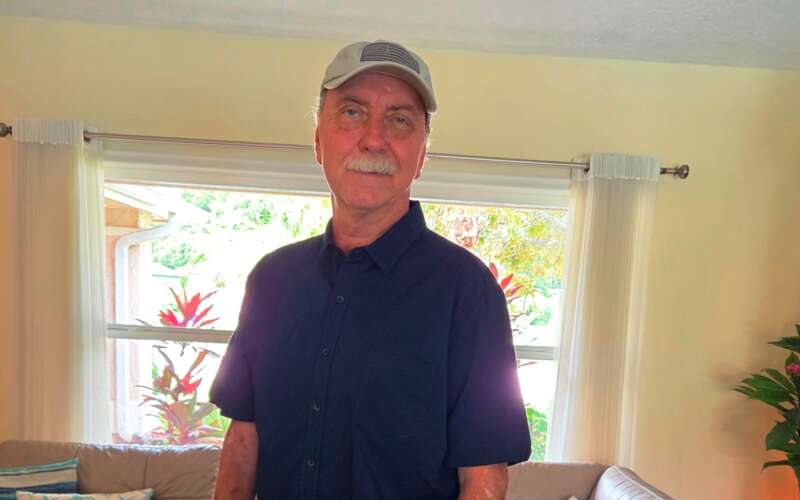
When Dan Helphrey was diagnosed with glioblastoma, doctors told him he had about two months to live.
That was two years ago.
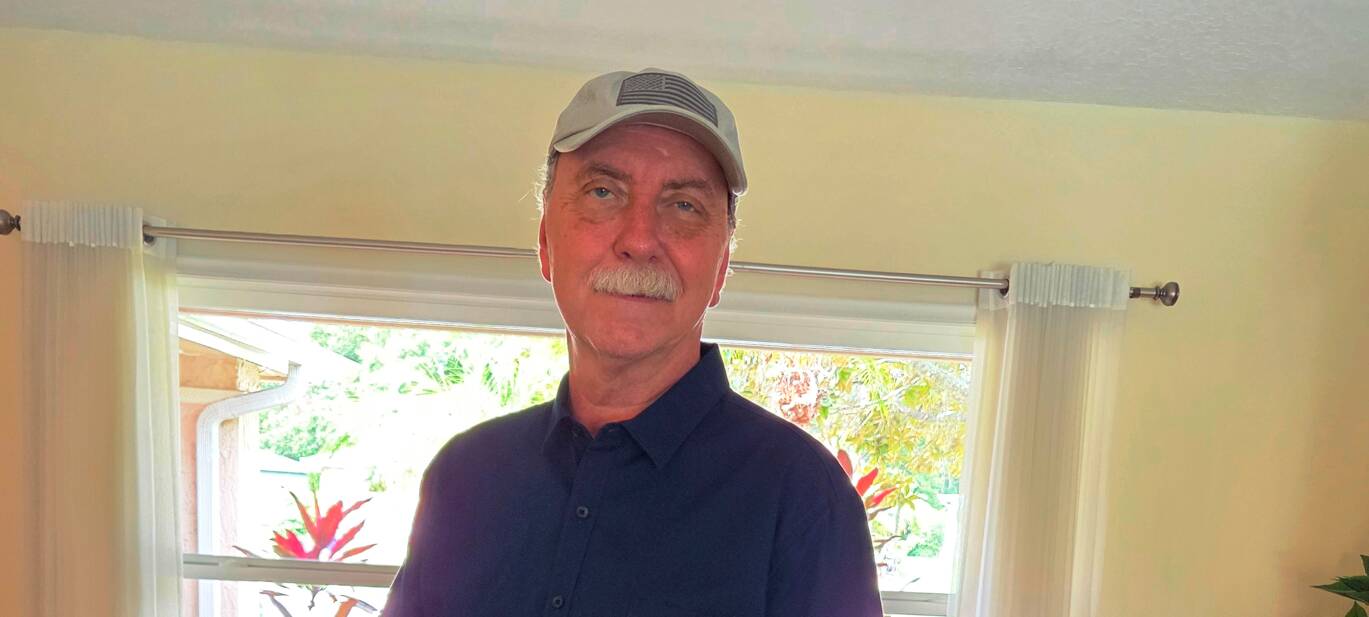
"I'm still here," Helphrey said.
Today, those three words carry a profound meaning, and Helphrey is sharing messages of hope with other patients and families affected by the disease. He writes personalized songs inspired by his cancer experience.
“Everything that has music behind it is so much more heartfelt,” Helphrey said.
Aggressive Diagnosis
Helphrey was diagnosed in January 2024 after noticing changes in his handwriting and signature. With no family history of brain cancer, the lifelong musician and songwriter underwent brain surgery and now receives an MRI every two months.
Glioblastoma is the most common type of cancerous brain tumor and the most aggressive one. It represents about 14% of all primary brain tumors and more than 12,000 glioblastoma cases are diagnosed each year in the U.S., according to the American Brain Tumor Association.
Those diagnosed with glioblastoma typically live 10 to 22 months, and currently, there is no cure.
Turning to Music
Helphrey describes his experience at Moffitt as “magic.”
Helphrey says nurses, physicians and the many other team members involved in his care played an instrumental role in both his treatment and mental well-being.
“When I walk in, everybody smiles at me and it's so comforting,” Helphrey said.
Prior to his treatment, Helphrey worked as a biomedical technician for 36 years at his Tampa Bay area-based company. He turned to making music to help himself and his loved ones cope with his diagnosis.
Helphrey says the music comes to him through inspiration drawn from everyday life and his own experiences.
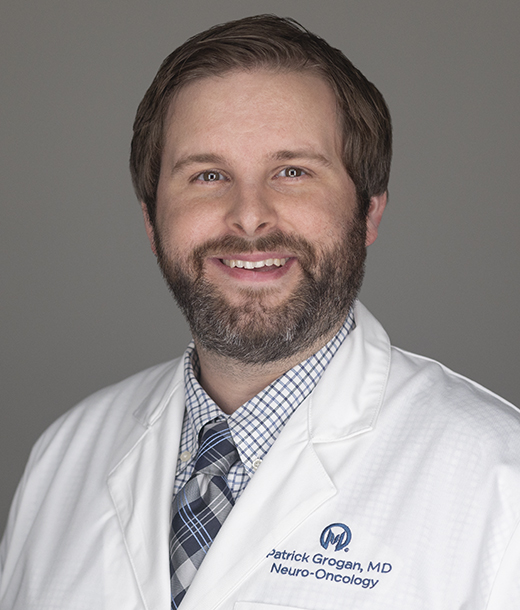
One song, titled "Dr. Grogan, Our Guiding Light," was written and composed in honor of Patrick Grogan, MD, PhD, a neuro-oncologist at Moffitt.
The lyrics include, “You’ve made hope our home. Every storm we’ve faced, you stand beside. Steady light. A gentle guy.”
Grogan says Helphrey is a testament to adversity, having exceeded many expectations throughout his cancer journey and inspiring others along the way.
Spreading Awareness
Awareness is especially important, Grogan says, because glioblastoma often receives less attention than more common cancers. Brain tumors can uniquely affect a person from their identity to personality and cognitive abilities, on top of one’s physical health.
“This is a less common disease but yet it has, almost universally, a devastating outcome,” Grogan said.
Over the last 21 years, Grogan says there has only been two U.S Food and Drug Administration approvals for life-prolonging therapies, underscoring the ongoing need for continued awareness and research.
“It brings to light the fact that we have a lot of work left to do but equally important, it also brings to light the fact that people are committed to helping find a cure,” Grogan said.

More than 12,000 glioblastoma cases are diagnosed each year in the U.S.
Helphrey says the support of his family has been just as important throughout his journey. He calls his wife "a saint," while his daughter moved back from Texas after earning her PhD to help care for him. She is working as a neuropsychologist.
Grogan echoed those sentiments, saying loved ones and caregivers often play one of the most important roles in helping patients navigate daily life during treatment.
As Helphrey continues undergoing treatment and receiving MRI scans every few months, he is inspired to keep writing songs.
He says it's one way to give back and remind others facing glioblastoma that they are not alone.
"The only thing I can think of is hope for the future," Helphrey said.