
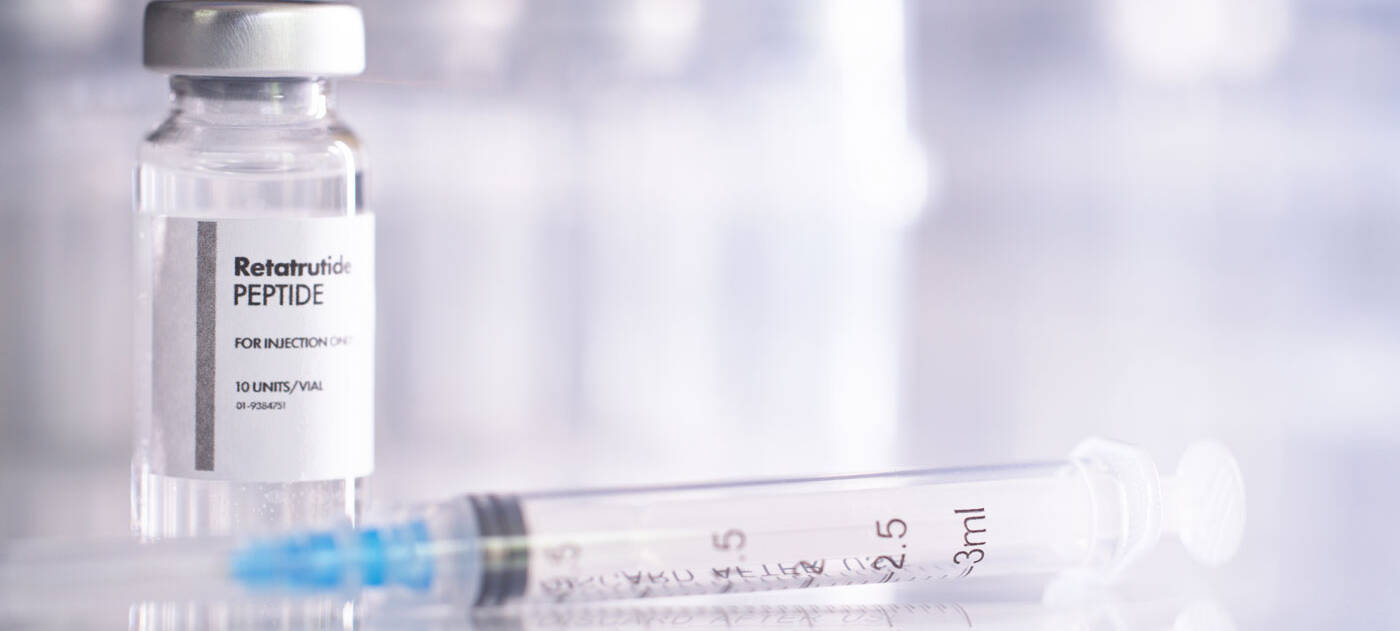
Peptides 101: What Are They and Why Do They Matter in Cancer Research?
Key Takeaways:
- Peptides are essential to the body. They help cells communicate and regulate processes like metabolism, immunity and tissue repair
- Peptides can influence tumor growth and help the immune system identify abnormal cancer cells
- Researchers are studying peptides for targeted therapies, cancer vaccines and more personalized care
From GLP-1 medications to supplements and anti-aging products, peptides are driving social media algorithms. But despite their recent surge in popularity, peptides aren’t anything new.
They are a fundamental part of human biology, helping cells communicate and influencing processes from metabolism and immune function to tissue repair.
So, what are peptides, and why are cancer researchers interested in them? Let’s break it down.
Peptides 101
Peptides are short chains of amino acids, the same building blocks that make up proteins.
“You can think of amino acids as letters: Peptides are relatively short words or phrases, while proteins are longer and often more structurally complex,” said Ana Gomes, PhD, chair of the Department of Tumor Microenvironment and Metastasis at Moffitt Cancer Center.

Ana Gomes, PhD
Despite their small size, peptides can have powerful effects. One of their major roles is communication. They can act as biological messengers, telling cells when to grow, change their activity or respond to changes elsewhere in the body.
Insulin and GLP-1 are two examples. Both are naturally occurring peptide hormones that help regulate blood sugar. GLP-1 also helps regulate digestion and appetite. The body produces many other peptides involved in metabolism, inflammation, immune function and tissue repair.
Peptides and proteins also come through food, but most are broken down during digestion into smaller pieces and amino acids that the body can absorb and reuse.
“So, eating a particular peptide does not necessarily mean that the intact peptide will enter the bloodstream and produce a specific biological effect,” Gomes said.
Why Is Everyone Talking About Peptides?
While peptides have become a popular topic for wellness, fitness and anti-aging circles, peptide-based therapies have been used in medicine for decades.
Most recently, GLP-1 medications have brought public attention to peptide signaling and its effects on the body.
“There is real science behind the interest in peptides,” Gomes said. “Medicine has actually been using peptide-based therapies for a very long time; insulin is perhaps the best-known example.”
But growing attention has also contributed to misconceptions about what peptides are and what they can do.
“A peptide is not one particular therapy. It is an enormous class of molecules with very different biological functions,” Gomes said. “And the fact that a peptide is naturally present in the body does not automatically mean that taking more of it will be beneficial or safe. Dose, timing, location and biological context all matter.”
Gomes says it’s important to distinguish between well-characterized peptide-based medicines that have undergone rigorous clinical testing and products marketed broadly for wellness, fitness or anti-aging.
“The important questions are: Which peptide? What biological pathway does it affect? What are we trying to treat? And what evidence do we have that is effective and safe?” she said.
What Do Peptides Have to Do With Cancer?
Cancer cells constantly communicate with immune cells, blood vessels and surrounding tissues. Peptides are one way those signals are sent, influencing cell growth, survival, metabolism, inflammation and blood vessel formation. Cancer cells can sometimes alter these systems to grow, survive or resist treatment.
Peptides also help the immune system monitor what is happening inside cells. As cells break down proteins, they display small peptide fragments on their surfaces.
“The immune system essentially uses these peptides as molecular identification cards to see what is happening inside a cell,” Gomes said. “If a cancer cell displays an abnormal peptide, that can potentially give the immune system a way of distinguishing that cancer cell from a normal cell.”
Turning Peptides Into Tools
Researchers are studying peptides in cancer in several ways. They are examining signals produced by tumors and surrounding tissues to better understand how cancer grows, spreads and resists treatment.
They are also studying peptides displayed on cancer cells, some of which could help the immune system recognize tumors and inform approaches such as personalized cancer vaccines.
Researchers are also investigating peptides as targeting tools. Because some can recognize specific molecules, they may eventually help deliver drugs or imaging agents more selectively to cancer cells.
“In the future, that information could help us develop more personalized ways of detecting cancer, directing treatments to cancer cells or helping the immune system recognize a patient’s tumor,” Gomes said.