Pope Leo Diagnosed With Lung Cancer After Surgery
Key Takeaways:
- Pope Leo was diagnosed with adenocarcinoma, the most common type of non-small cell lung cancer, after undergoing surgery to remove part of his right lung
- The stage of the pope’s cancer has not been publicly disclosed, but the Vatican reported that the surgery was successful and without complications
- Lung cancer treatment depends on the disease stage, with early detection generally improving the likelihood of successful treatment
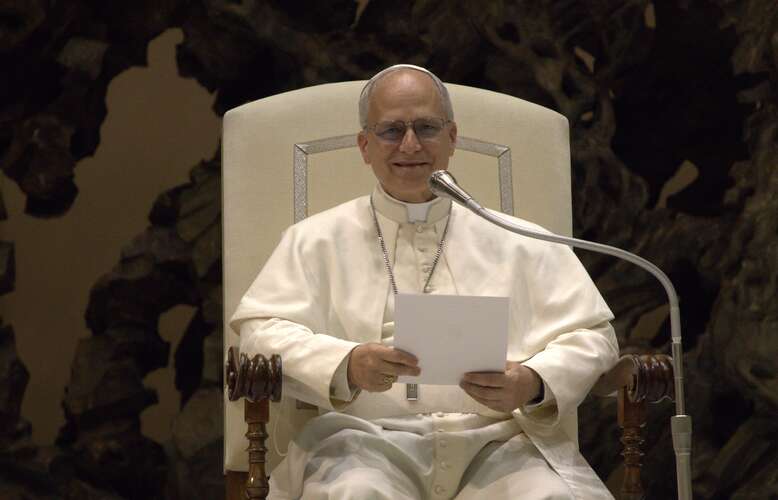
Pope Leo was diagnosed with adenocarcinoma, a type of lung cancer, after undergoing surgery at Gemelli Hospital in Rome on Tuesday. Doctors removed the lower portion of his right lung during the 90-minute surgery.
According to Lary Robinson, MD, director of Moffitt Cancer Center’s Lung Cancer Early Detection Center, adenocarcinoma is the most common type of non-small cell lung cancer.
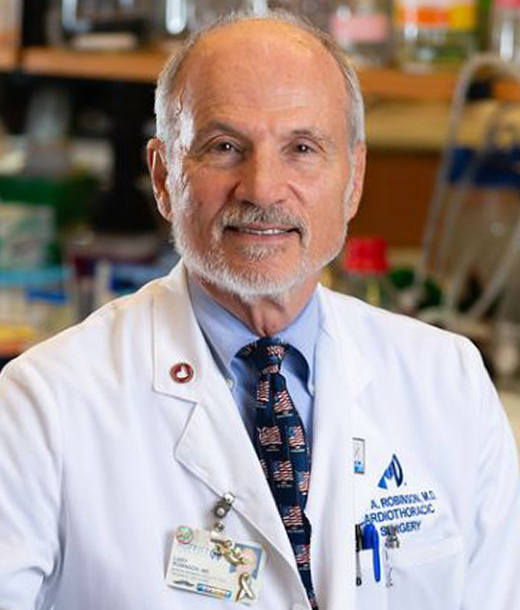
Robinson says treatment for this type of lung cancer depends on the stage of the disease.
“It depends on whether the tumor is early stage and confined to the lung, or it is later stage and has spread to lymph nodes in the center of the chest or distantly in the blood,” he explained. “The localized lung cancers have a far better likelihood of cure, although the advanced lung cancer patients are doing much better now because of the numerous treatment improvements, including immunotherapy.”
Cancer Stage Matters
The stage of the pope’s disease has not been publicly released. However, a statement from the Vatican said the operation was successful and there were no complications.
“After the operation, the Pope awoke normally and returned after a brief period of observation to his room,” the statement read.
According to Robinson, patients diagnosed with adenocarcinoma usually have higher survival rates when the cancer is detected early and treated promptly.
-

28%
Current overall lung cancer cure rate
-
8% to 10%
Previous overall lung cancer cure rate
“The current overall cure rate for lung cancer with all stages combined has dramatically risen to 28% at five years, whereas just several decades ago it was only 8% to 10%. This has been an amazing increase. Although it is not near what we would like, it is improving primarily because we are finding lung cancer at an early stage,” Robinson said.
Lung Cancer Can Be Silent
Before his cancer announcement, the pope told the public he was scheduled to undergo surgery to remove a “localized nodule” in his lung. He did not specify whether he was experiencing any unusual symptoms.
Dear friends, during some recent medical examinations, the doctors found a small, localized nodule in my lung. It was detected at a very early stage and is well-localized. The doctors believe that it is best to intervene, so, following their advice, I have decided to undergo surgery to remove it. The operation is already scheduled to take place in the coming days. I thank you for your spiritual closeness and entrust myself to your prayers.
— Pope Leo XIV (@Pontifex) October 11, 2026
Robinson says it is common for lung cancer patients not to experience any symptoms, especially during the early stages of the disease.
“If a patient does have symptoms of lung cancer, they tend to be most commonly from a respiratory source, such as a persistent cough, coughing up blood, shortness of breath, or persistent, localized pain in the chest, shoulders or spine,” he explained. “They may have unexplained weight loss in addition, and occasionally they will have some neurologic symptoms suggestive of a stroke or just persistent headaches.”
The pope’s schedule is clear through Oct. 20, and he is still expected to travel to South America next month.
 Medically reviewed by Lary Robinson, MD, Thoracic Oncology Department