Stay Ahead of Sickness: How to Reduce Your Risk of Common Illnesses
If you are hearing more and more people coughing or sneezing around you, you are not alone. The Centers for Disease Control and Prevention are reporting high numbers of respiratory illnesses across the country. Florida is one of 11 states reporting “very high” activity for illnesses like RSV, COVID-19, influenza and norovirus. So, what can you do to protect yourself and your family?
Taking simple preventive steps every day can help lower your risk of getting sick and reduce the spread of common illnesses.
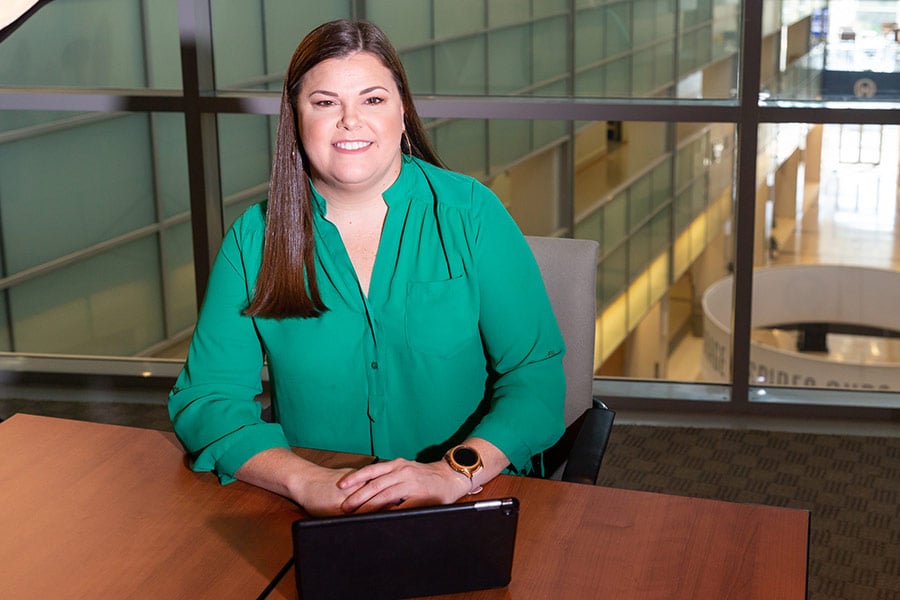
Isis Lamphier, manager of the Infection Prevention Department at Moffitt Cancer Center, says it is important to take proactive steps, such as maintaining clean spaces and practicing proper hygiene.
How Can You Reduce Your Risk of Common Illnesses?
Here are practical steps you can take to help reduce your risk of getting sick and protect those around you.
Clean Frequently Touched Surfaces
Regularly cleaning high-touch surfaces helps reduce the spread of germs in your home.
- Daily Cleaning: High-touch areas like doorknobs, light switches, and cell phones should be cleaned daily or as needed.
- Bathrooms and Kitchens: Clean these spaces at least once a week, or more often if they're heavily used. Wipe down kitchen surfaces before and after cooking to prevent the spread of germs.
- If Someone Is Sick: Bathrooms used by sick individuals, especially those with norovirus, should be cleaned more frequently to minimize the risk of spreading illness.
Choose the Right Cleaning Products
Using the appropriate cleaning product can improve your efforts to reduce germs.
- Disinfectants: Look for products labeled effective against both viruses and bacteria, especially if there is illness in your home.
- Multi-Surface Cleaners: These are great for removing dirt and grime but may not be as effective in targeting viruses or bacteria.
When Should You Wear a Mask?
Wearing a mask in certain situations can help protect both you and others.
- If You're Sick: Wear a mask if you're visiting a healthcare facility, like Moffitt, to protect others.
- If You're Immunocompromised: Talk to your doctor about whether wearing a mask in crowded indoor settings is recommended for you.
Practice Proper Hand Hygiene
Handwashing remains one of the most effective ways to help prevent the spread of germs.
Wash your hands:
- Before and after eating
- After using the bathroom
- Before and after cooking
- After blowing your nose, coughing, or sneezing
Use soap and water, scrubbing for at least 20 seconds for the most effective germ removal.
Why Everyday Prevention Matters
Consistently following healthy habits such as cleaning frequently touched surfaces, practicing proper hand hygiene, and wearing a mask when appropriate can help reduce your risk of respiratory illnesses and other common infections. Small preventive actions can make a meaningful difference in protecting you, your family, and your community throughout the season.
By incorporating these strategies into your daily routine, you can reduce your risk of illness and keep yourself and your household healthy this season.