

Support Goes a Long Way for Young Adults with Cancer
A year ago, you would often catch Rainer Michel playing ultimate Frisbee. Michel, then 20, thought his active lifestyle was the cause of his ongoing knee issues. When he became unable to fully bend his right leg, he visited the doctor.
A biopsy revealed Michel had osteosarcoma in his knee. He quickly came to Moffitt Cancer Center for treatment, which consisted of surgery and chemotherapy.
-

85,000+
New cases of cancer will occur among adolescents and young adults every year
Adolescent & Young Adult (AYA) Program
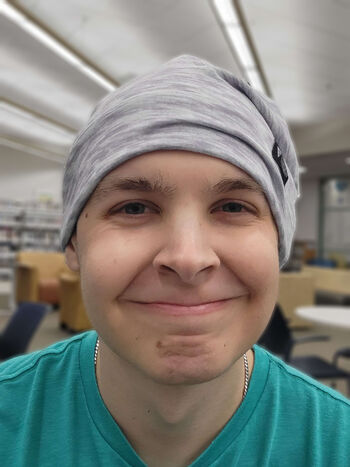
Now that he has finished treatment, Rainer Michel hopes to play ultimate Frisbee again.
Shortly after becoming a patient, Michel joined Moffitt’s Adolescent & Young Adult (AYA) Program. The group provides support and resources tailored to the unique concerns and emotional needs of young adults with cancer, ages 15 to 39.
According to the American Cancer Society, more than 85,000 new cases of cancer occur among adolescents and young adults each year.
Now, a year later and in remission, Michel often reflects on the importance of support.
“I was very appreciative to be able to talk things out with other people who have been in similar circumstances to me,” he said. “There was a lot of emotional processing that I had to go through after my diagnosis.”
Another Moffitt patient, Diana Martinez, 35, was diagnosed with tongue cancer at the age of 30. After undergoing surgery, she experienced a recurrence within six months.
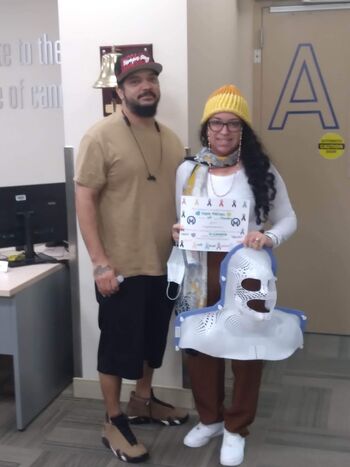
Diana Martinez leaned on her loved ones for support through her cancer treatment.
“I remember I was having a tough day, experiencing a lot of side effects from treatment, and it was a nurse who informed me of the AYA program and the support it can offer,” Martinez said.
Like many others, Martinez was looking for tools to help navigate the many emotions that come with being diagnosed with cancer as a young adult.
“When we are young, we are still figuring out our lives, and there are never-ending thoughts and feelings that come with this journey, which can make you feel very isolated and alone,” she said. “Being supported by a community that is aware of the day-to-day struggles before, during and even after cancer really helps in the process of finding oneself and their new normal again.”
After another surgery, as well as chemotherapy and radiation, Martinez is now in remission. Like Michel, she hopes sharing her cancer journey can help other young adults struggling to navigate a cancer diagnosis, knowing they are not alone.
Resources Available Through AYA Program
According to Stephanie Avakian, Moffitt’s AYA program administrator, AYA provides support to young patients when it comes to challenges such as fertility preservation, financial issues, work and school changes, loss of support systems and much more.
“We have found that AYA patients often report higher levels of depression, anxiety and loneliness,” Avakian explained. “The Moffit AYA Program aims to address these obstacles by providing compassionate psychosocial and medical support over their care journey.”
During AYA Awareness Week, Avakian’s goal is to help young patients know support is always available.
“Connecting patients with others in their peer group who understand the world of cancer and know what they are experiencing is a key component to providing an additional level of healing and hope,” she said.