What Are Bispecifics and How Do They Help Patients With Cancer?
Key Takeaways:
- Bispecific therapies help the immune system find and attack cancer cells by linking T cells directly to the tumor
- These treatments are already used for several blood cancers and are being studied for solid tumors
- Bispecifics expand the cancer treatment toolbox, offering another effective immunotherapy option for some patients whose disease has progressed after standard treatments
Bispecific antibodies, often called bispecifics, are emerging as a promising new tool in cancer care. These lab-made therapies are designed to deliver a patient’s immune cells directly to cancer cells, helping the body attack the disease with more precision. Doctors say this approach is offering hope to people whose cancers have stopped responding to other treatments.

Doris Hansen, MD
“Bispecifics help the immune system find cancer cells that might otherwise stay hidden. They bring the right immune cell to the right place at the right time,” said Doris Hansen, MD, a medical oncologist in the Blood and Marrow Transplant and Cellular Immunotherapy Department at Moffitt Cancer Center.
How Bispecifics Work
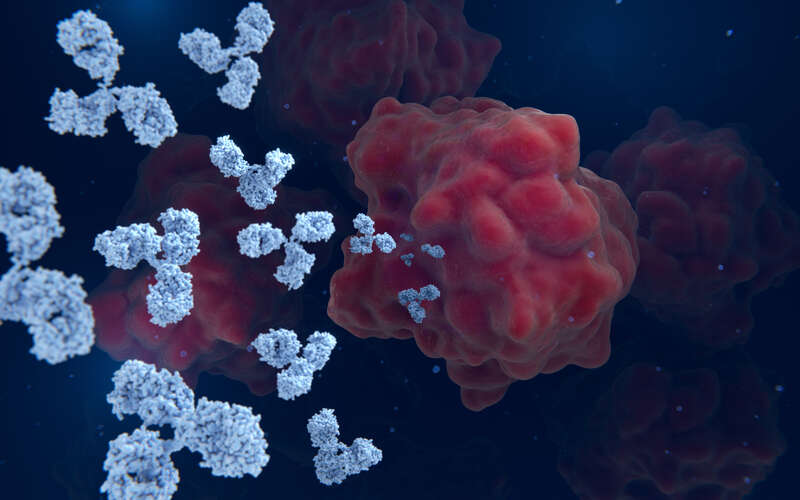
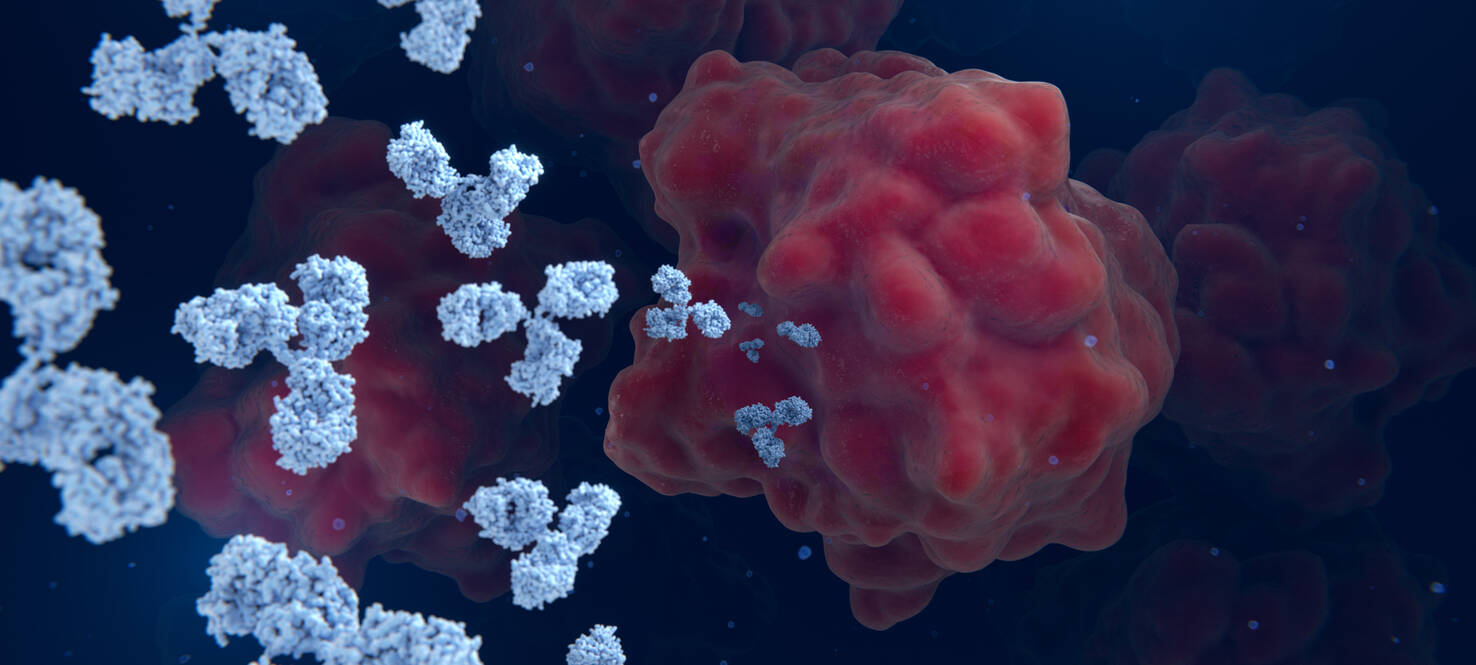
Bispecifics are unique because they have two different targets. One part of the antibody attaches to a cancer cell. The other part attaches to an immune cell, usually a T cell. When both sides connect, the T cell is pulled close enough to destroy the cancer cell.
This is different from chemotherapy, which affects both healthy and cancerous cells. It also differs from checkpoint inhibitors, a type of immunotherapy that releases the brakes on the immune system but does not physically bring immune cells to the cancer.
“Think of bispecifics as a bridge,” said Hansen. “One side grabs the cancer cell and the other grabs the T cell. Once they are linked, the T cell can do its job.”
How Bispecifics Compare With Other Immunotherapies
Bispecifics are part of a growing group of treatments that use the immune system to fight cancer. One of the most common comparisons is with CAR T-cell therapy, another advanced option for certain blood cancers.
CAR T therapy is made from a patient’s own T cells, which are collected and engineered in a lab before being returned to the body. Because it is personalized, CAR T takes more time to manufacture and may require the patient to spend time in the hospital.
Bispecifics, sometimes called BiTEs, work differently. They are off‑the‑shelf drugs that do not require cell collection or genetic modification. They can often be started more quickly, sometimes within days, and can be given in an outpatient setting.
“Bispecifics are more accessible for many patients because we can start treatment sooner,” Hansen said. “But that convenience does not replace the need to consider all options, including CAR T, especially for cancers that have come back or resisted other therapies.”
Both CAR T-cell therapy and bispecific antibodies can produce deep and durable responses, and the optimal choice depends on the individual patient and disease characteristics. For some, bispecifics may be the safer or more practical choice. Doctors may also use bispecifics to help control disease while preparing a patient for CAR T.
What Cancers Bispecifics Treat
Bispecific therapies are already approved for several blood cancers, including multiple myeloma, diffuse large B-cell lymphoma and follicular lymphoma. These cancers respond well because immune cells can readily reach them in the bloodstream or bone marrow.
Researchers are now studying bispecifics for solid tumors such as lung, breast and prostate cancers. Early results are promising, and clinical trials are expanding quickly.
What Patients Should Know
Like all cancer treatments, bispecifics can cause side effects. The most common is cytokine release syndrome, a temporary immune reaction that doctors monitor closely. Patients may also experience fever, fatigue or low blood counts. Most side effects are manageable with careful monitoring.
Bispecifics may be a good option for people who are not candidates for CAR T or who need treatment more quickly. They can also help control disease or serve as a bridge to another therapy.
“Bispecific antibodies have become an important addition to our treatment toolbox,” said Hansen. “Different patients need different approaches, and these therapies give us another highly effective way to personalize care and improve outcomes.”