What To Know About the Cyclosporiasis Outbreak
Key Takeaways:
- More than 1,600 cases of cyclosporiasis have been reported in over 30 states since May
- The most common symptom is watery diarrhea, along with nausea, vomiting, stomach cramps and bloating
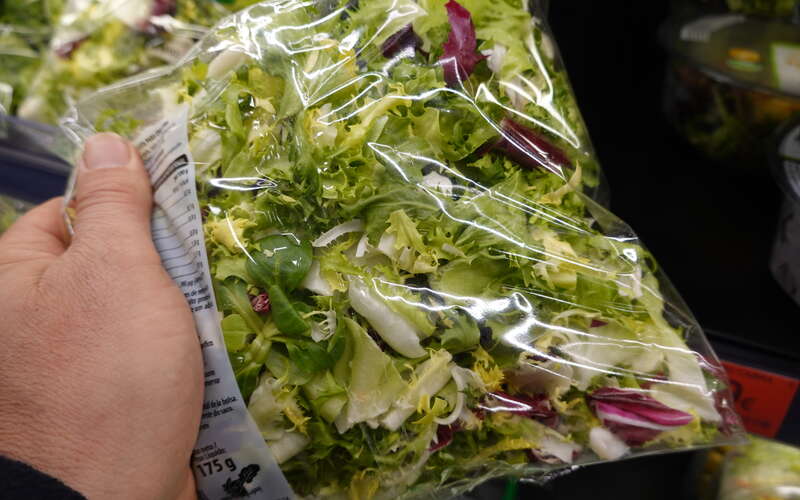
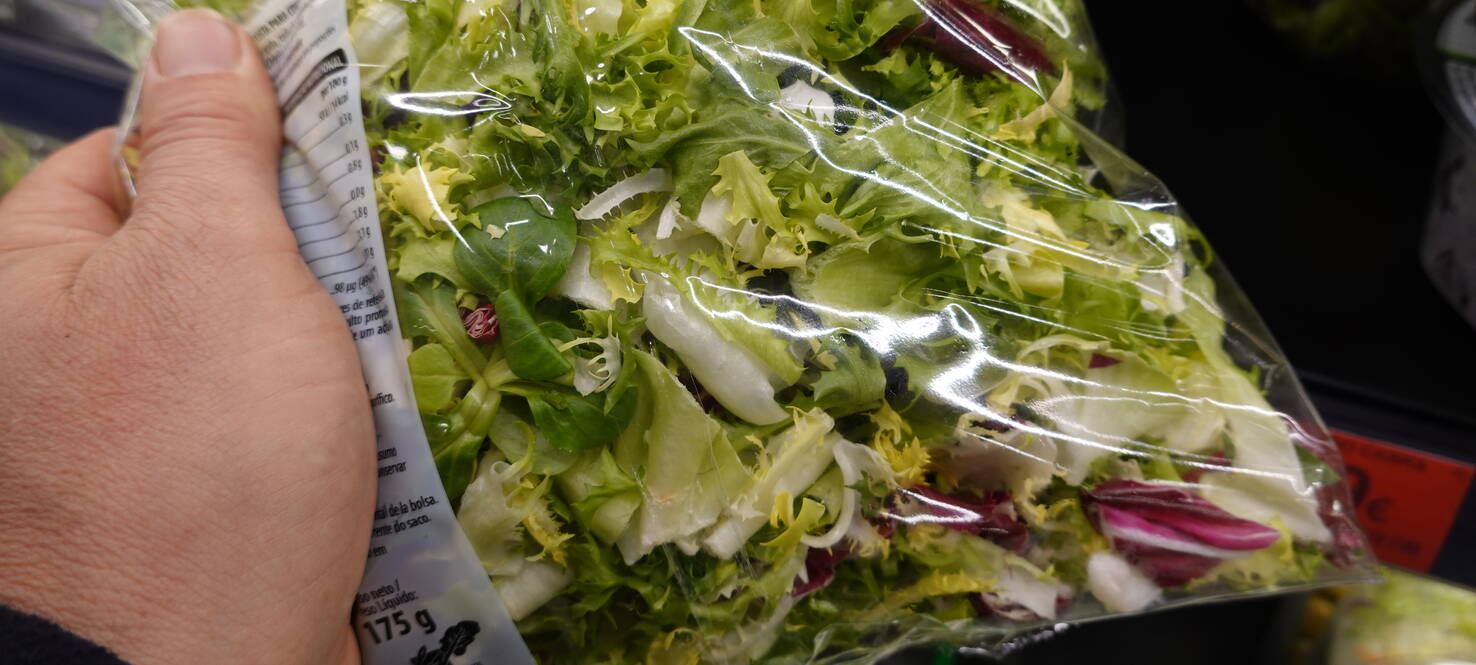
- Foods such as raspberries, lettuce, basil, cilantro, parsley, snow peas and bagged salad have been associated with recent infections
Health officials are urging the public to be aware of a growing cyclosporiasis outbreak after more than 1,600 infections have been reported to the Centers for Disease Control and Prevention in over 30 states since May.
The infection caused by the parasite Cyclospora cayetanensis can cause watery, explosive diarrhea and other gastrointestinal symptoms.

Symptoms
The most common symptom of cyclosporiasis is diarrhea. Other symptoms may include:
- Vomiting
- Nausea
- Bloating
- Loss of appetite
- Stomach cramps
Foods To Avoid
Eating imported produce may increase the risk of infection. According to the CDC, the following fruits and vegetables have been linked to recent outbreaks:
- Raspberries
- Snow peas
- Parsley
- Lettuce
- Basil
- Bagged salad
- Cilantro
Risk of Infection
According to John Greene, MD, chair of the Infectious Diseases Program at Moffitt Cancer Center, people with weakened immune systems face a greater risk of severe illness.
"For anyone, especially those who are immunocompromised, such as cancer patients, it's important to seek medical attention right away if you start to experience any symptoms," Greene said.
How To Stay Safe
As the outbreak continues, people can reduce their risk of infection by:
- Refrigerating cut, peeled or cooked fruits and vegetables
- Thoroughly washing fresh produce
- Washing hands before preparing or eating food
- Cooking produce to an internal temperature of at least 158 degrees Fahrenheit