What To Know About the Rise of Dengue Fever in Florida
Key Takeaways:
- More than 100 cases of dengue fever have been reported in Florida so far this year
- Dengue fever can lead to serious, potentially life-threatening complications in people with weakened immune systems
- Preventing mosquito bites is key to reducing the risk of dengue infection
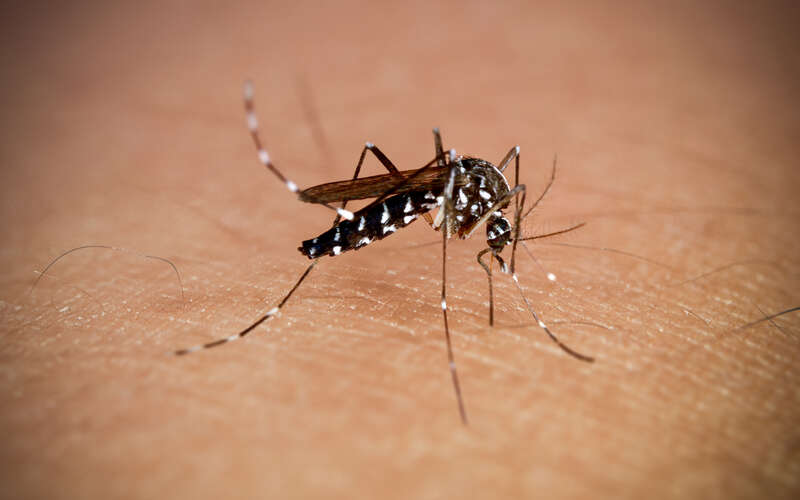
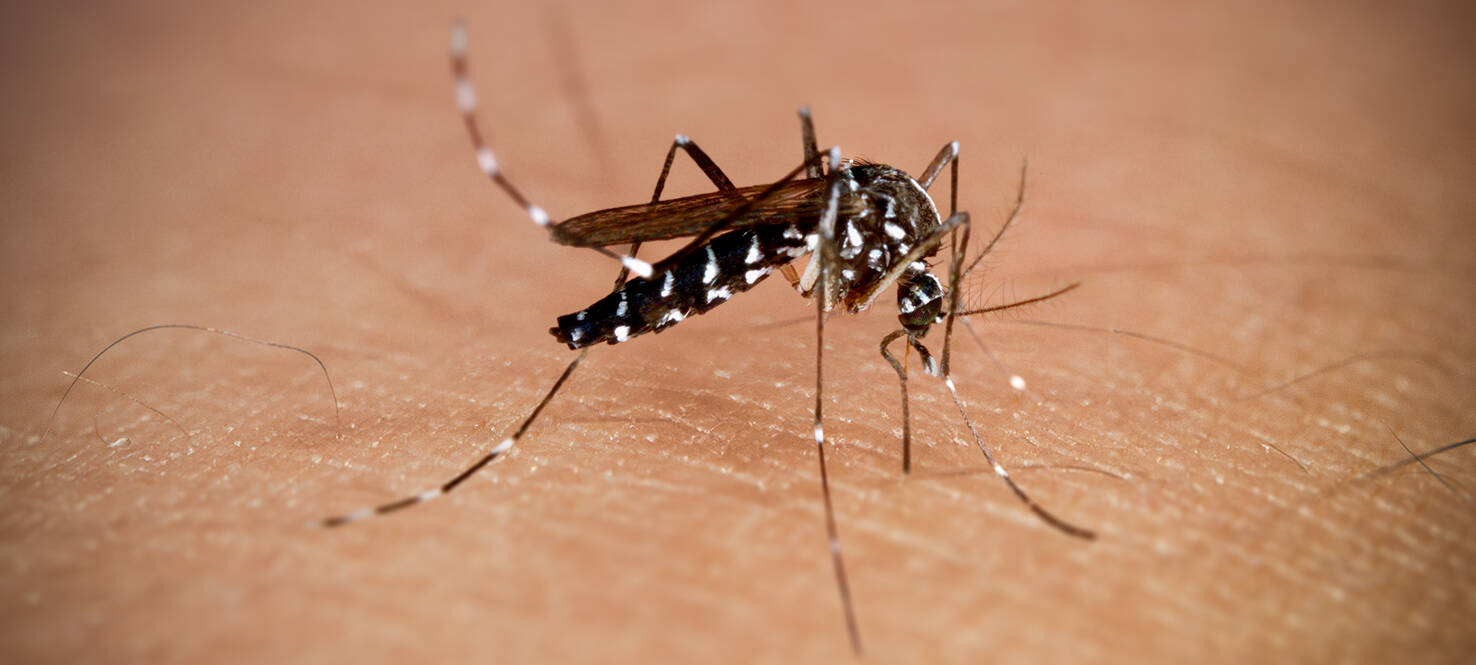
Dengue fever is a viral illness spread through the bite of an infected mosquito. According to the Centers for Disease Control and Prevention, Florida has reported more than 100 cases so far this year.
Warning Signs
People infected with dengue fever may experience symptoms including:
- High fever
- Stomach and joint pain
- Nausea and vomiting
- Skin rash
- Severe headache
- Extreme fatigue
For people who are immunocompromised, dengue fever can increase the risk of serious, potentially life-threatening complications.

A recent study found that dengue fever was associated with higher hospitalization and intensive care unit rates among patients with hematologic malignancies, or cancers that begin in blood-forming tissues such as bone marrow.
John Greene, MD, chair of the Infectious Diseases Department at Moffitt Cancer Center, says health experts are on high alert for signs of dengue fever in immunocompromised patients.
“Immunocompromised patients can get hemorrhagic complications with their brain, lungs, liver, kidney and skin,” Greene said. “In some cases, patients could end up requiring aggressive supportive care to prevent organ failure.”
Treatment
Mild cases of dengue fever are typically treated with supportive care, including hydration, rest and pain relief with acetaminophen.
For severe cases requiring hospitalization, treatment may include intravenous fluids, oxygen support, mechanical ventilation and blood transfusions.
Prevention
Experts say the best way to prevent dengue fever is to protect yourself from mosquito bites. Preventive measures include:
- Using insect repellent
- Wearing long-sleeved shirts and pants outdoors
- Removing standing water around homes and other outdoor areas
“I also recommend patients who are immunocompromised try to avoid the outdoors during peak feeding hours for mosquitoes, which is at dawn and dusk,” Greene said.