New Moffitt Study Offers Clues to Why TIL Immunotherapy Works for Some Melanoma Patients but Not Others
Key Highlights
- A new Moffitt-led study offers clues on why tumor-infiltrating lymphocyte therapy works for some patients with advanced melanoma but not for others.
- The findings point to important differences in the immune cells used in the therapy and in the environment inside the tumor.
- The study also identified a protein that may help researchers find T cells capable of recognizing a patient’s cancer.
- Previous checkpoint inhibitor immunotherapy was associated with fewer “stem-like memory” T cells, raising questions about how treatment timing could affect patients.
TAMPA, Fla. — For some people with advanced melanoma, tumor-infiltrating lymphocyte (TIL) therapy has produced remarkable responses, even after other treatments have stopped working. Yet it doesn't succeed for everyone. Researchers have long wondered why some patients experience dramatic, long-lasting responses while others receive little benefit from the same therapy.
A new study, published in Med, brings scientists closer to an answer.
Led by Lilit Karapetyan, M.D., assistant member of the Cutaneous Oncology Department at Moffitt Cancer Center, the study suggests that how well TIL therapy works depends on both the patient’s own immune cells and the environment inside their tumor.
What is TIL therapy?
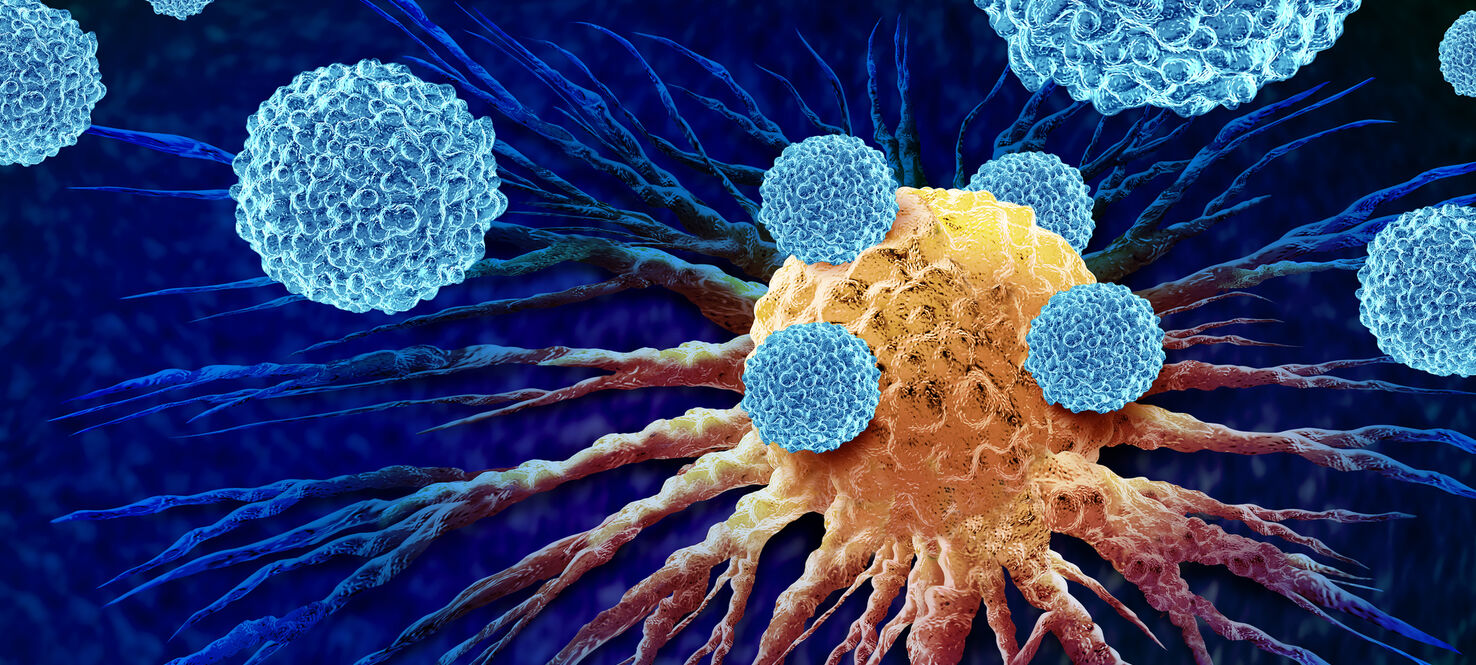
TIL therapy uses a patient’s own immune cells to fight cancer. Rather than giving patients a drug produced outside the body, doctors take T cells from the patient’s tumor, expand them into billions in the laboratory, and infuse them to back into the patient.
Despite its strong results in many cases, it hasn’t been easy for physicians to predict who is most likely to benefit from TIL therapy.
To better understand what factors are associated with successful treatment, Karapetyan and her colleagues analyzed several variables from 60 patients with advanced melanoma who participated in four early-stage clinical trials at Moffitt.
Rather than searching for a single predictor of success, the researchers took a broad approach. This included examining the characteristics of the infused immune cells that patients received while also studying the tumor microenvironment: the complex network of immune cells, blood vessels and supporting tissue that surrounds cancer cells which can either help or hinder the body's immune response.
There were four main findings.
- The T cells in the infusion appeared to matter. Patients who responded to TIL therapy received infusions with more CD8+ T cells, a type of immune cell that can kill cancer cells. The infusions also contained more stem-like memory T cells: long-lasting immune cells that can replenish the supply of tumor-fighting T cells when needed.
- A protein present on some T cells may help identify cells that recognize cancer. Patients who responded to treatment had higher levels of a protein called LAG-3 on their infused cells. And the LAG-3-positive cells included T cells that recognized the patient’s tumor, including some that recognized specific mutations in the cancer. If future studies confirm these findings, LAG-3 could be used to help identify and select cancer-recognizing T cells when developing TIL treatments.
- The immune response inside the tumor is important. Patients whose tumors contained tertiary lymphoid structures (TLSs) had better overall survival and longer periods before their cancer worsened. TLSs are groups of immune cells that can form inside tumors and resemble miniature lymph nodes.
- A history of immunotherapy was associated with fewer of the cells that may be important to TIL therapy. Patients who had already received checkpoint inhibitors, a form of immunotherapy, tended to have fewer stem-like memory T cells. They also had lower levels of proteins that help keep T cells ready to respond to cancer. More work is needed to understand what these findings could mean for the order in which checkpoint inhibitors and TIL therapy are given.
These findings give researchers new clues about why TIL therapy works better for some melanoma patients than others. Understanding these differences could help researchers develop more effective TIL treatments for more patients with advanced melanoma.
Q&A with Lead Author Dr. Lilit Karapetyan
Patients whose infusions contained more CD8+ cells and stem-like memory T cells tended to have better outcomes. What changes to the laboratory process might eventually help produce TIL therapies specialized for these characteristics?
Our findings suggest that it may be important not only to generate a large number of T cells, but also to preserve T cells with favorable functional characteristics. Future manufacturing strategies could potentially focus on culture conditions that preferentially maintain CD8+ T cells and less differentiated, stem-like memory populations. This could include modifying cytokine exposure, shortening or optimizing the duration of expansion, or developing selection strategies that preserve tumor-reactive cells while limiting excessive differentiation during culture.
An important point is that these approaches still need prospective validation. Our study identifies cellular features associated with better clinical outcomes, but it does not yet establish that deliberately enriching these populations will improve response.
LAG-3 is often described as a brake that can slow T cells down. In this study, T cells carrying LAG-3 were more likely to recognize the patient’s tumor. What factors do you think are at play here?
LAG-3 is commonly viewed as a marker of T-cell inhibition or exhaustion, but its biology is more nuanced. Expression of LAG-3 can also reflect recent and repeated antigen stimulation. In the setting of TIL therapy, that may mean that LAG-3-positive cells are enriched for T cells that have actually encountered and recognized tumor antigens.
In our study, a higher number of LAG-3-positive T cells in the infusion product was associated with improved progression-free survival, and these cells also demonstrated greater tumor reactivity. Therefore, LAG-3 should not necessarily be interpreted simply as a marker of dysfunctional T cells. In this context, it may also identify a population that has been selected through prior interaction with the tumor.
Patients whose tumors contained tertiary lymphoid structures had better outcomes in this study. Can these structures eventually be created or strengthened within a patient's tumor?
Potentially, yes, and this is a very exciting area of research. Tertiary lymphoid structures are organized immune niches within tumors where T cells, B cells and antigen-presenting cells can interact. Their presence may reflect a tumor microenvironment that is already capable of supporting an effective antitumor immune response.
Several strategies are being investigated preclinically to promote the formation or maturation of tertiary lymphoid structures, including modulation of chemokines, cytokines, vascular signals and interactions between immune cells. Ultimately, it may be possible to convert tumors that are immunologically less organized into environments that are more supportive of T-cell activation and function. However, we are still at an early stage in understanding how to do this safely and reproducibly in patients.
The study found that patients who had previously received immune checkpoint inhibitors had fewer stem-like memory T cells in the cells later used for TIL therapy. Could this finding eventually influence how doctors decide which treatment to give first?
One implication of our findings is that the timing of TIL therapy may matter. Repeated exposure to systemic therapies and prolonged interaction between T cells and an evolving tumor may alter the composition and differentiation state of the T-cell population available for subsequent TIL manufacturing.
TIL therapy is being studied in other cancers besides melanoma. Responses in these other cancers have also varied from patient to patient. Could these findings explain why?
I think they may. One of the broader messages from our study is that successful TIL therapy depends on several interconnected components: the biology of the original tumor, the immune architecture of the tumor microenvironment, the characteristics of the T cells that are harvested, and what happens to those cells during manufacturing.
These principles are unlikely to be unique to melanoma. In other solid tumors, differences in the abundance of tumor-reactive T cells, the degree of T-cell differentiation, the presence or absence of tertiary lymphoid structures and the ability of the tumor microenvironment to support immune activity could all contribute to variability in response.
The specific biomarkers may differ from one cancer type to another, but understanding both the tumor and the final TIL product may help explain why some patients derive durable benefit while others do not. Ultimately, this could help us move toward more rational patient selection and more individualized approaches to manufacturing TIL products.
This study was supported by the American Cancer Society (RSG-16-117–01, 5K23CA178083), The National Institutes of Health (K08-CA252642, F31-CA250320, P50-CA168536, P30-CA076292).
About Moffitt Cancer Center
Moffitt is dedicated to one lifesaving mission: to contribute to the prevention and cure of cancer. The Tampa-based facility is one of only 58 National Cancer Institute-designated Comprehensive Cancer Centers, a distinction that recognizes Moffitt’s scientific excellence, multidisciplinary research, and robust training and education. Moffitt’s expert nursing staff is recognized by the American Nurses Credentialing Center with Magnet status, its highest distinction. For more information, call 1-888-MOFFITT, visit MOFFITT.org, and follow the momentum on Facebook, X, Instagram and YouTube.
###