
Golnaz Morad, DDS, PhD
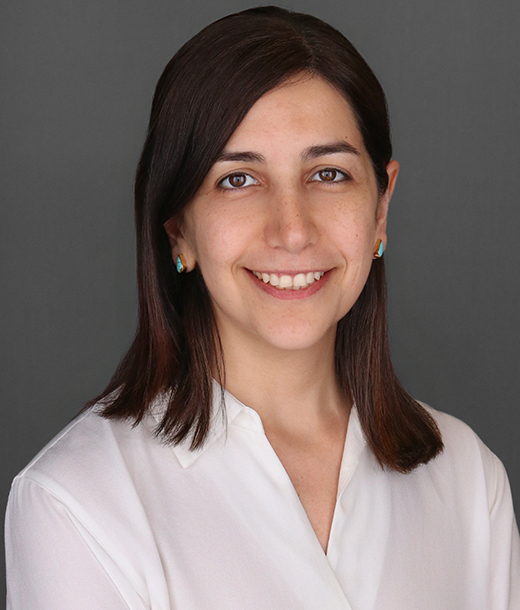
Golnaz Morad, DDS, PhD
Program: Tumor Microenvironment and Metastasis
Research Program: Cancer Biology & Evolution Program
 ORCID: 0000-0002-9460-618X
-
Overview
Our lab investigates the largely uncharted role of microbiota in metastatic brain tumors. We focus on how microbe-host interactions shape metastatic dormancy, tumor initiation and progression, and responses to therapy. Ultimately, our goal is to translate these insights into innovative preventive and therapeutic strategies for patients with brain metastases and other tumors of the central nervous system.
Associations
- Neuro-Oncology
- Cutaneous Oncology
- Tumor Microenvironment and Metastasis
- Cancer Biology & Evolution Program
Education & Training
Graduate:
- Harvard University, PhD - Cancer Biology
- Beheshti University of Medical Sciences, DDS - Dentistry
Fellowship:
- MD Anderson Cancer Center - Microbiome and tumor immunology
-
Research Interest
The Morad Laboratory studies how the microbiota, the assembly of microbes residing within the body, influences metastatic brain tumors. Using multidisciplinary preclinical and clinical approaches, the lab examines two key stages of brain metastasis: initiation and progression. A central focus of the lab is to understand how the oral and gut microbiota regulate metastatic dormancy, a poorly understood phase in which disseminated tumor cells remain inactive before they eventually form brain metastases. In parallel, the lab explores how recently discovered intra-tumoral microbial elements (Nature Medicine, 2025) shape the metastatic brain tumor microenvironment, drive disease progression, and influence response to immunotherapy. Defining these microbe-host interactions across both stages could create unique opportunities to prevent brain metastasis and improve treatment outcomes. Beyond metastatic brain tumors, the Morad Laboratory collaborates across institutions to extend microbiome research to other central nervous system malignancies, including gliomas and leptomeningeal disease (LMD), as well as extracranial cancers.
-
Publications
- Morad G, Soto RA, Ajami NJ, Ferguson SD, Wargo JA. The emerging role of microbiota in neuro-oncology. Nat Rev Neurol. 2026 Sep. Pubmedid: 42768189.
- Gomez-Manzano C, Shin DH, Alvarez-Breckenridge C, Gillard AG, Morad G, Puduvalli VK, Alonso MM, Lang FF, Fueyo J. Diverse origin and nature of tumor-infiltrating lymphocytes: the infection hypothesis. J Immunother Cancer. 2026 Jul.14(7). Pubmedid: 42463282. Pmcid: PMC13384136.
-
Grants
- Title: The Role of Microbiota and Microbial Extracellular Vesicles in
Metastatic Dormancy in Melanoma
Award Number: HT94252410999
Sponsor: Department of Defense (DOD)
Morad, G. (PD/PI) - Title: The role of oral microbiota in metastatic brain tumors
Award Number: 4R00CA296780-03
Sponsor: National Institutes of Health (NIH)
Morad, G. (PD/PI)
- Title: The Role of Microbiota and Microbial Extracellular Vesicles in
Metastatic Dormancy in Melanoma