Understanding Benign Prostatic Hyperplasia (BPH)
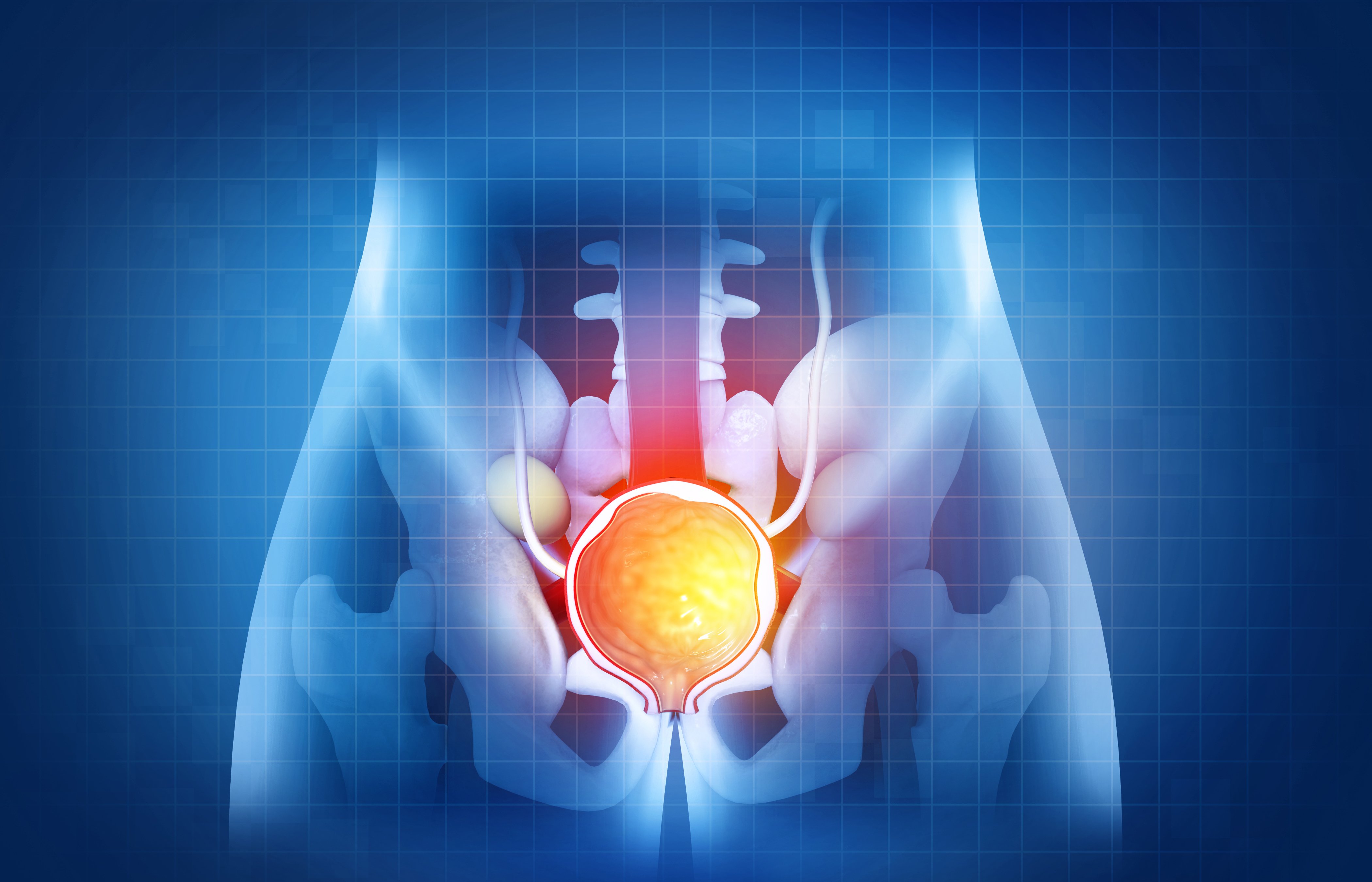
The prostate surrounds the urethra, the tube that carries urine out of the body. As the prostate grows, it can produce obstruction in the urethra and make it harder for urine to pass.

 Medically reviewed by Marilin Nicholson, MD, Genitourinary Oncology Program
For many men, an enlarged prostate can become more than an inconvenience. Benign prostatic hyperplasia (BPH), a noncancerous enlargement of the prostate, affects about 50% of men in their 50s and up to 90% of men over 80. It can cause lower urinary tract symptoms (LUTS) that may affect a man’s quality of life.
LUTS symptoms associated with BPH can impact more than urinary function. Symptoms may contribute to sleep disruption, anxiety and depression, sexual dysfunction and social withdrawal. Getting up frequently during the night to urinate, also known as nocturia, may also increase the risk of falls and fractures.
For some men, medications may not provide adequate or lasting relief from BPH. Forty-three percent of patients discontinue medical treatment after one year due to inadequate symptom relief, medication costs, side effects or progression of symptoms. When medications do not provide the relief patients need, other treatment approaches may be considered.
Moffitt now offers Aquablation, an advanced, minimally invasive treatment that uses robotic technology, artificial intelligence, imaging and a heat-free waterjet to precisely remove prostate tissue blocking urine flow. "Moffitt considers each patient’s overall health and medical history to determine whether Aquablation is the right approach for them,” says Marilin Nicholson, MD, Assistant Member of Urology.
The prostate surrounds the urethra, the tube that carries urine out of the body. As the prostate grows, it can produce obstruction in the urethra and make it harder for urine to pass.
How Aquablation Works
Aquablation combines AI support and ultrasound guidance with a high-pressure, heat-free waterjet. Before treatment, the urologist uses imaging to identify the prostate tissue causing obstruction and develop a personalized treatment plan. The robotic system then precisely directs the waterjet to remove the targeted tissue.
Unlike procedures that use heat to remove prostate tissue, this treatment uses a heat-free approach. The therapy is designed to relieve urinary symptoms while helping preserve tissue important for urinary continence and sexual function.

Aquablation is performed under general anesthesia at Moffitt McKinley Hospital. On average, the total time in the operating room is less than an hour, can vary depending on the size of the prostate. A temporary urinary catheter is put into place after the procedure and patients stay overnight for monitoring and recovery.
During the early recovery period, patients may experience temporary urinary symptoms, including burning or discomfort, blood or tissue debris in the urine, or changes in urinary frequency and flow. Most symptoms improve within two to four weeks, although some bladder-related symptoms can take longer to resolve.
Aquablation may be an option for men whose BPH symptoms continue despite medication or who are considering a procedural treatment. Moffitt also evaluates select patients with prostate cancer who are on active surveillance and experiencing urinary symptoms related to an enlarged prostate.
To learn more about Aquablation therapy for BPH, request an appointment with one of our urology experts by calling 888-663-3488 or by submitting a new patient registration form online.

Moffitt is ranked 16th in the nation and is the top-ranked cancer hospital in Tampa and central Florida in Newsweek’s “America’s Best Cancer Hospitals."