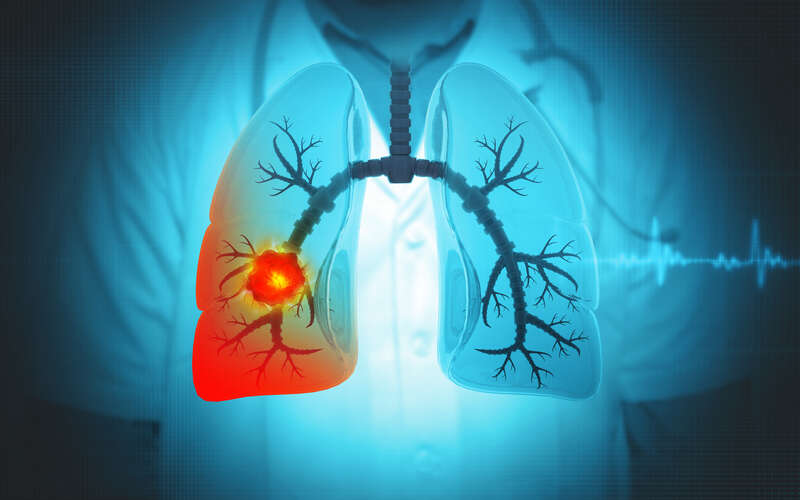
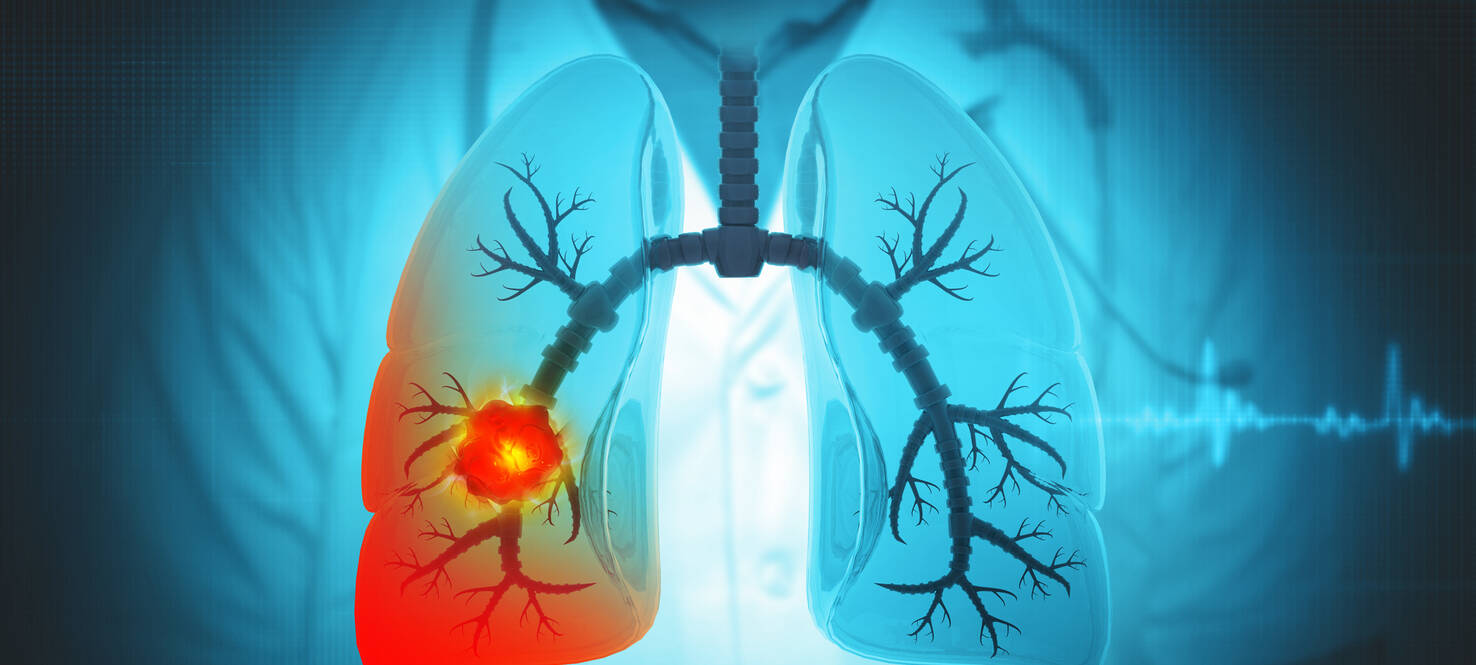
4 Questions on Lung Cancer Risk, Screening and Treatment
Key Takeaways:
- Lung cancer often has no symptoms in its earliest stages, making screening for eligible high-risk individuals critical
- Treatment depends on the type and stage of lung cancer and may include surgery, chemotherapy, radiation therapy, immunotherapy and targeted therapy
- While smoking remains the biggest risk factor, lung cancer can also occur in people who have never smoked
Lung cancer is the second most common cancer among both men and women in the United States and the leading cause of cancer-related deaths. Although most people diagnosed with lung cancer are 65 or older, a small percentage of patients are younger than 45.
Lary Robinson, MD, director of Moffitt Cancer Center’s Lung Cancer Early Detection Center, explains more about lung cancer and the importance of screening.
How Is Lung Cancer Typically Diagnosed?
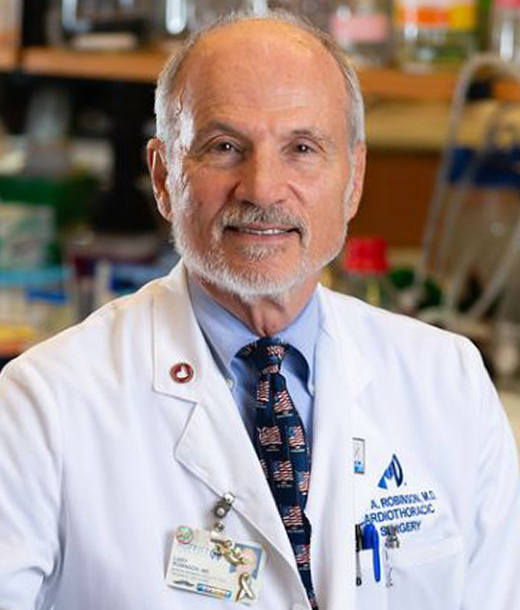
Lary Robinson, MD
Early stage lung cancer that is confined to the lung (stage 1 or stage 2) is often diagnosed as an incidental finding on a CT scan or other imaging test before symptoms develop. Occasionally, a patient with early stage lung cancer experiences mild symptoms, such as a persistent cough, and is found to have cancer localized to the lung. These patients have the highest chance of a cure, usually with surgery and, in some cases, systemic therapy before or after surgery.
Later stage disease involving the mediastinum or distant organs (stage 3 or stage 4) is typically diagnosed after a patient develops symptoms, including:
- Persistent cough, sometimes with bloody sputum
- New shortness of breath or wheezing
- Significant, unintentional weight loss, sometimes accompanied by loss of appetite
- Neurologic symptoms, such as headaches, localized weakness or vision changes
- Localized chest pain or bone pain
How Is Lung Cancer Typically Treated?
Treatment depends on whether the cancer is non-small cell lung cancer (NSCLC), which accounts for about 85% of cases, or small cell lung cancer (SCLC).
-

85%
Of lung cancer cases are non-small cell lung cancer
Stage 1 (localized to the lung)
- Surgery is usually the primary treatment and may be curative.
- If surgery is not an option, stereotactic body radiation therapy may be used.
- Some higher-risk patients receive chemotherapy, immunotherapy or targeted therapy before or after surgery.
Stage 2 (larger tumor or nearby lymph node involvement)
- Surgery may be performed first, although systemic therapy is increasingly given before surgery.
- Chemotherapy is usually given to reduce the risk of recurrence.
- Some patients may receive immunotherapy or targeted therapy after surgery if specific biomarkers are present.
Stage 3 (locally advanced disease involving the mediastinum)
Treatment often includes a combination of:
- Chemotherapy
- Radiation therapy
- Surgery in selected cases involving minimal mediastinal disease, usually after a good response to systemic treatment
For unresectable stage 3 disease, concurrent chemotherapy and radiation followed by immunotherapy is a common and effective treatment approach.
Stage 4 (metastatic disease)
Stage 4 lung cancer has spread beyond the lung or outside the chest.
Treatment typically focuses on systemic therapy, including:
- Immunotherapy
- Targeted therapy for patients with actionable mutations, such as EGFR, ALK or ROS1
- Chemotherapy
Radiation therapy or surgery may also be used to relieve symptoms or treat selected metastatic sites. The goals of treatment are long-term disease control, symptom relief and extending survival.
Small cell lung cancer (SCLC)
SCLC is treated differently from NSCLC.
- Limited-stage disease: Cancer confined to the chest is typically treated with chemotherapy and radiation therapy, sometimes followed by preventive brain radiation.
- Extensive-stage disease: Cancer that has spread outside the chest is typically treated with chemotherapy and immunotherapy as the standard first-line approach.
- In rare cases, SCLC is localized to the lung (stage 1). Surgery followed by chemotherapy may result in long-term cures.
What Are Common Misconceptions About Lung Cancer?
Misconception: Lung cancer occurs only in people who smoke or formerly smoked.
Fact: At least 25% of women and 10% of men diagnosed with lung cancer have never smoked.
Misconception: A few years after quitting smoking, the risk of lung cancer returns to that of someone who has never smoked.
Fact: Former smokers continue to have an elevated lifetime risk of lung cancer, although the risk decreases the longer they remain tobacco-free. Quitting smoking remains one of the most important steps people can take to improve their health. Nevertheless, 40% of lung cancer arises in people who have stopped smoking for 15 years or longer.
-

40%
Of lung cancer arises in people who have stopped smoking for 15 years or longer
Misconception: Lung cancer is almost always fatal.
Fact: This is no longer true. Most people diagnosed with early stage lung cancer can be cured with treatment. Innovations in treating more advanced disease, including immunotherapy, have also led to long-term survival and, in some cases, cures for later stage lung cancer.
Misconception: Vaping, smoking marijuana and using hookahs are safe and do not increase the risk of lung cancer.
Fact: Researchers are still studying the long-term risks of these products, and it may take another decade or more to fully understand their impact. However, many experts believe the substances and chemicals inhaled through these products are likely to significantly increase the risk of lung cancer.
What Preventive Measures Can People Take To Lower Their Risk?
- Avoid inhaling harmful substances whenever possible.
- Exercise regularly. Studies have shown that routine physical activity, including walking, can reduce the risk of lung cancer while providing many other health benefits.
- Follow a healthy, anti-inflammatory diet. Diets that contribute to chronic inflammation may increase the risk of lung cancer and other cancers.
- Maintain a healthy weight. Obesity increases the risk of several types of cancer, including lung cancer.
- If you are at high risk, get screened before symptoms develop. Annual low-dose CT screening is recommended for adults who are 50 or older, have a 20-pack-year smoking history, and currently smoke or quit within the past 15 years.