Cigarettes Are Back in the Spotlight. Is Hollywood to Blame?
Key Takeaways:
- Cigarette smoking is at a record low in the U.S., but smoking imagery is becoming more visible in magazines, film and television.
- Public health groups warn that glamorized tobacco portrayals can influence young people and trigger cravings for former smokers.
- Researchers say there is no evidence that smoking imagery is raising smoking rates, but the trend warrants close monitoring.
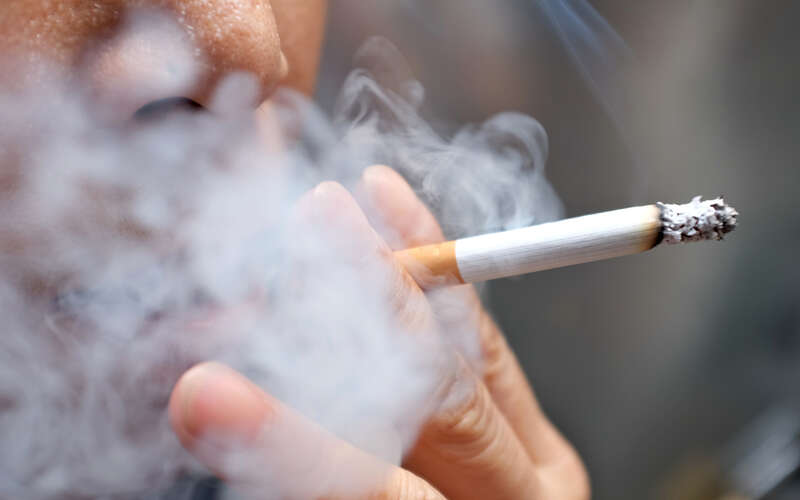
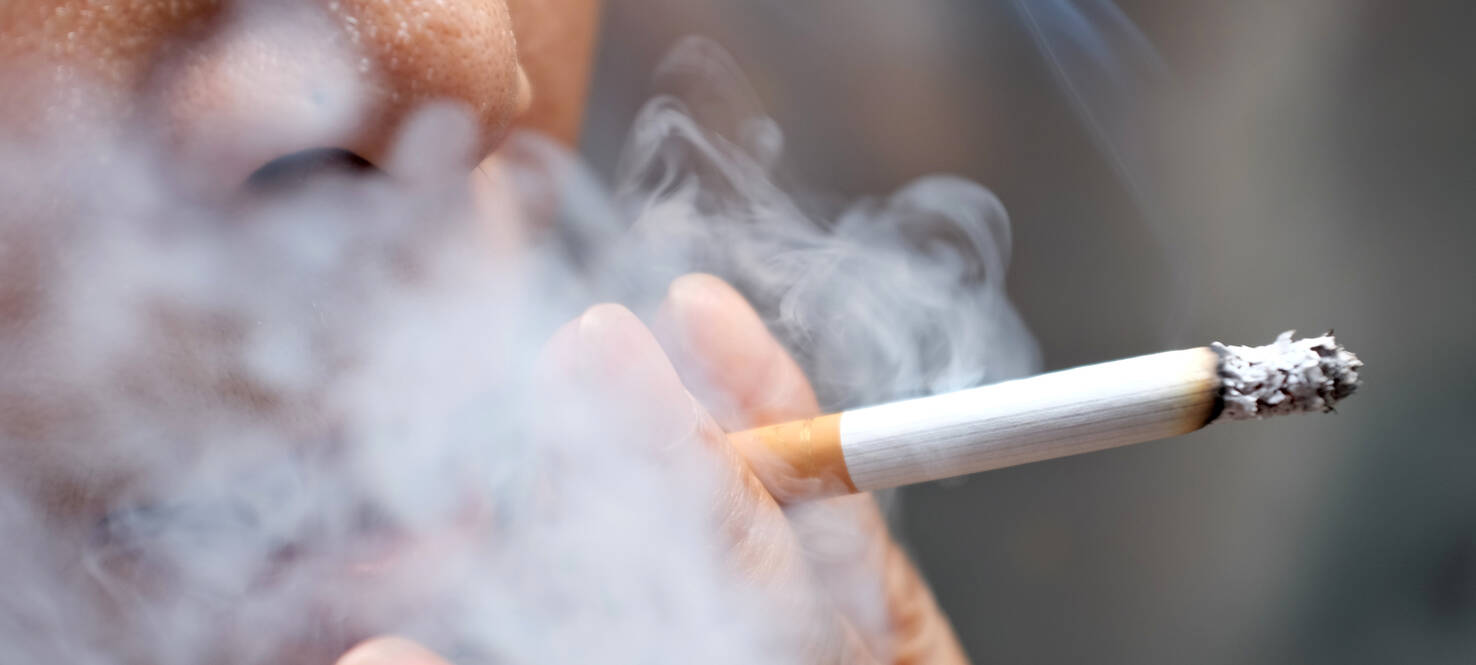
Cigarette imagery appears to be gaining visibility in popular culture.
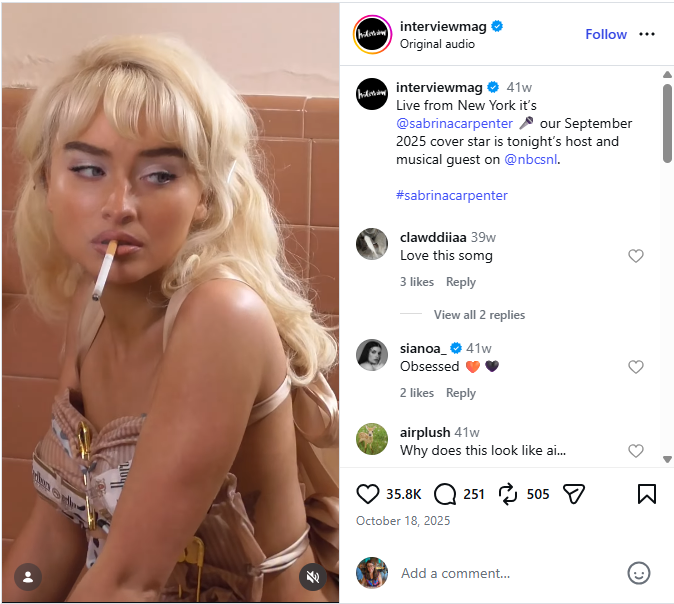
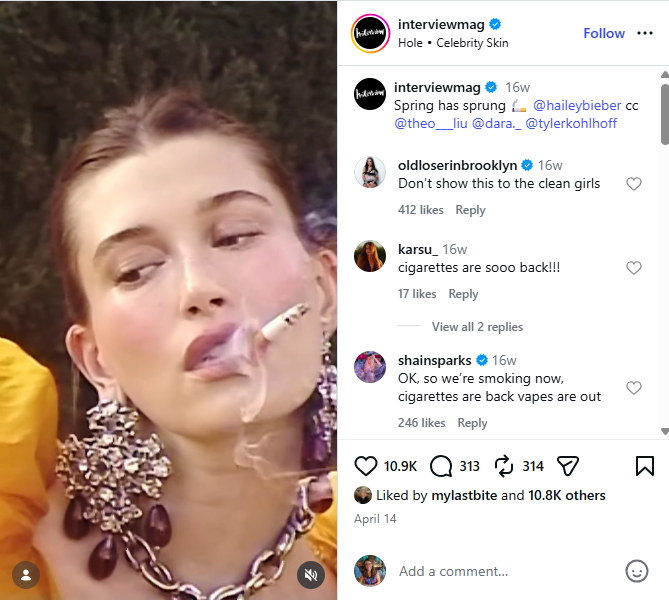
Earlier this year, Interview Magazine featured Sabrina Carpenter wearing a bustier made from Marlboro cigarette packs. Another photo spread showed Hailey Bieber smoking while dressed in an evening gown. In May, Vanity Fair sparked criticism from public health organizations after publishing images of Kylie Jenner lighting a cigarette.
The trend extends beyond magazine pages. Cigarettes continue to appear in movies and television shows, putting a habit once pushed to the cultural margins back in front of millions of viewers.
The renewed visibility comes at a notable moment. Cigarette smoking in the United States is at its lowest level on record.
The most recent national data show adult cigarette smoking fell to 9.9% in 2024, the first time the rate dropped below 10%, according to research published in NEJM Evidence. Overall, tobacco and nicotine use remains higher at 18.8%, driven in part by products such as e-cigarettes.
So, should the return of smoking imagery be cause for concern?
"It's worth paying attention to, but we also need to keep broader trends in perspective," said Vani Simmons, PhD, director of the Tobacco Research and Intervention Program at Moffitt Cancer Center. "Current smoking rates remain at historic lows, particularly among young people. While research has shown media portrayals of smoking can indeed influence attitudes and behavior, we're not seeing evidence that recent increases in imagery have translated into population-wide increases in cigarette smoking."
Why Public Health Groups Are Concerned
Still, public health groups argue that media depictions of smoking matter.
Earlier this year, the American Cancer Society Cancer Action Network, American Heart Association, American Lung Association, Campaign for Tobacco-Free Kids, Truth Initiative and Vital Strategies sent a letter to Vanity Fair criticizing its depiction of Jenner smoking. The organizations urged the magazine to stop featuring tobacco and nicotine products, noting that tobacco use remains the leading preventable cause of death in the United States and contributes to more than 490,000 deaths each year.
Research has long shown a connection between exposure to smoking in entertainment and tobacco use, particularly among young people. A recent analysis by Truth Initiative found that eight of the 10 films nominated for Best Picture at this year's Academy Awards contained tobacco imagery.
The organization also reported that 85% of young people surveyed said they had seen tobacco use in entertainment content they watch. Among those planning to quit tobacco, 43% said such imagery made quitting more difficult.
"Decades of research have demonstrated an association between exposure to smoking in movies and cigarette use," Simmons said. "The key question is whether we're seeing enough of these portrayals now to make meaningful change in behavior on a broader scale. The current data doesn’t show that, but it's something researchers should definitely continue to monitor."
The Impact on Former Smokers
For people who have already quit smoking, the concern may be less about starting and more about staying smoke-free.
Simmons says seeing cigarettes in entertainment or celebrity imagery can serve as a reminder of a past addiction and may trigger cravings for some former smokers. While such exposure does not automatically lead to relapse, it can make quitting more difficult for those already working to stay tobacco-free.
At the same time, today's tobacco landscape looks very different than it did a generation ago. While cigarette smoking continues to decline, e-cigarettes and other nicotine products have become more common. Simmons says vaping carries health risks and can lead to nicotine addiction, but combustible cigarettes remain the greatest cause of tobacco-related disease and death.
"One of the main achievements of tobacco control has been changing norms around smoking," Simmons said. "When smoking becomes more visible again, it's reasonable to ask what impact that could have on perceptions of smoking, especially among people who are vulnerable."

Watching What Happens Next
The growing conversation around smoking imagery comes as some tobacco control efforts face changes at the federal level. Earlier this year, the federal government and the Centers for Disease Control and Prevention eliminated the CDC's Office on Smoking and Health, which historically supported state tobacco prevention programs, and withdrew a proposed ban on menthol cigarettes.
In Florida, however, tobacco prevention and cessation efforts continue through Tobacco Free Florida, a statewide program funded through the state's tobacco settlement agreement. The program provides free quit services, counseling and nicotine replacement therapies to help residents stop using tobacco products.
For now, the numbers suggest cigarette smoking continues its decades-long decline. But as cigarettes become more visible once again in fashion magazines, streaming shows, and Hollywood films, researchers and public health advocates say the trend deserves attention.
"The primary concern isn't that we're suddenly seeing smoking rates rise," Simmons said. "Rather, we’re seeing tobacco imagery showing up in places where it had become less common. We know those images can influence perceptions and can be challenging for people who have quit. The key is continuing to watch the trend and see whether increased visibility translates into changes in behavior over time."