Inspiring the Next Generation: How Moffitt Is Opening Doors for High School Students in Cancer Research
For students curious about science, medicine and the fight against cancer, Moffitt Cancer Center is offering more than just exposure. It is creating meaningful pathways into the world of cancer research.
Through a growing portfolio of programs designed for middle and high school students, Moffitt is helping young learners explore careers, gain hands-on experience and build the skills needed to shape the future of oncology. From early career exploration to advanced research training, initiatives like the Moffitt Explorers Program, MARCH, HIP IMO and the new AIM-HI internship are forming a pipeline that begins well before college.
For some students, that pipeline is already delivering results.
From High School Curiosity to Cutting-Edge Research
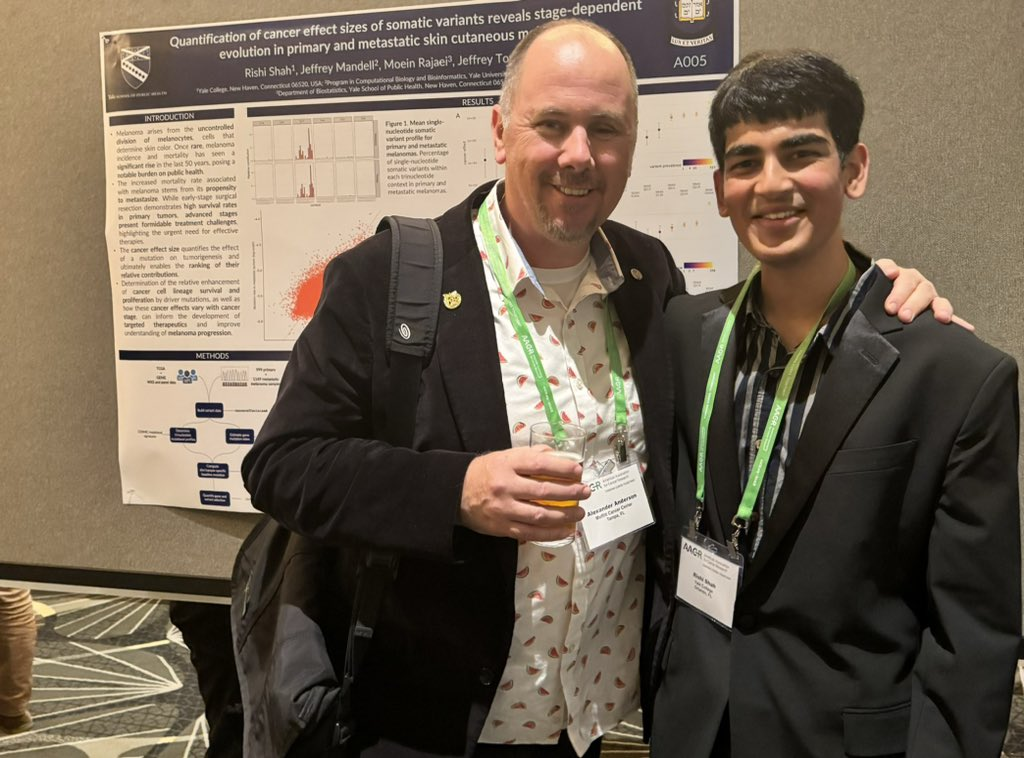
Rishi Shah worked virtually in the HIP IMO Program in 2020 in the lab of Alexander Anderson, PhD.
As a student at Windermere High School just outside of Orlando, Rishi Shah was drawn to both biology and quantitative fields like calculus and computer science. He began to wonder how those interests could intersect.
“I thought a really cool application of computer science and math could be studying diseases and biology,” Shah said. “When I found Moffitt’s program, it felt like a transformational opportunity.”
That discovery led him to the High School Internship Program in Integrated Mathematical Oncology, or HIP IMO, where he was accepted in 2020. While the traditional in-person experience was disrupted by the COVID-19 pandemic, Shah reached out to Alexander Anderson, PhD, who invited him to participate in his lab remotely. What began as a workaround became a defining experience.
“I’d never done research before, but Dr. Anderson and his lab gave me an invaluable space to learn and also contribute to real discussions,” he said.
Shah continued working with the lab beyond the initial program, contributing to ongoing research on how cancer cells develop resistance to therapy. Now a senior at Yale University, he is preparing for medical school and continues to apply the computational and research skills he first developed at Moffitt.
A Hands-On Experience Happening Now
While Shah’s journey highlights long-term impact, students like Brock Garcia and Marcel Matos are experiencing those opportunities in real time through the Moffitt Academy for Research Careers in High School, or MARCH. 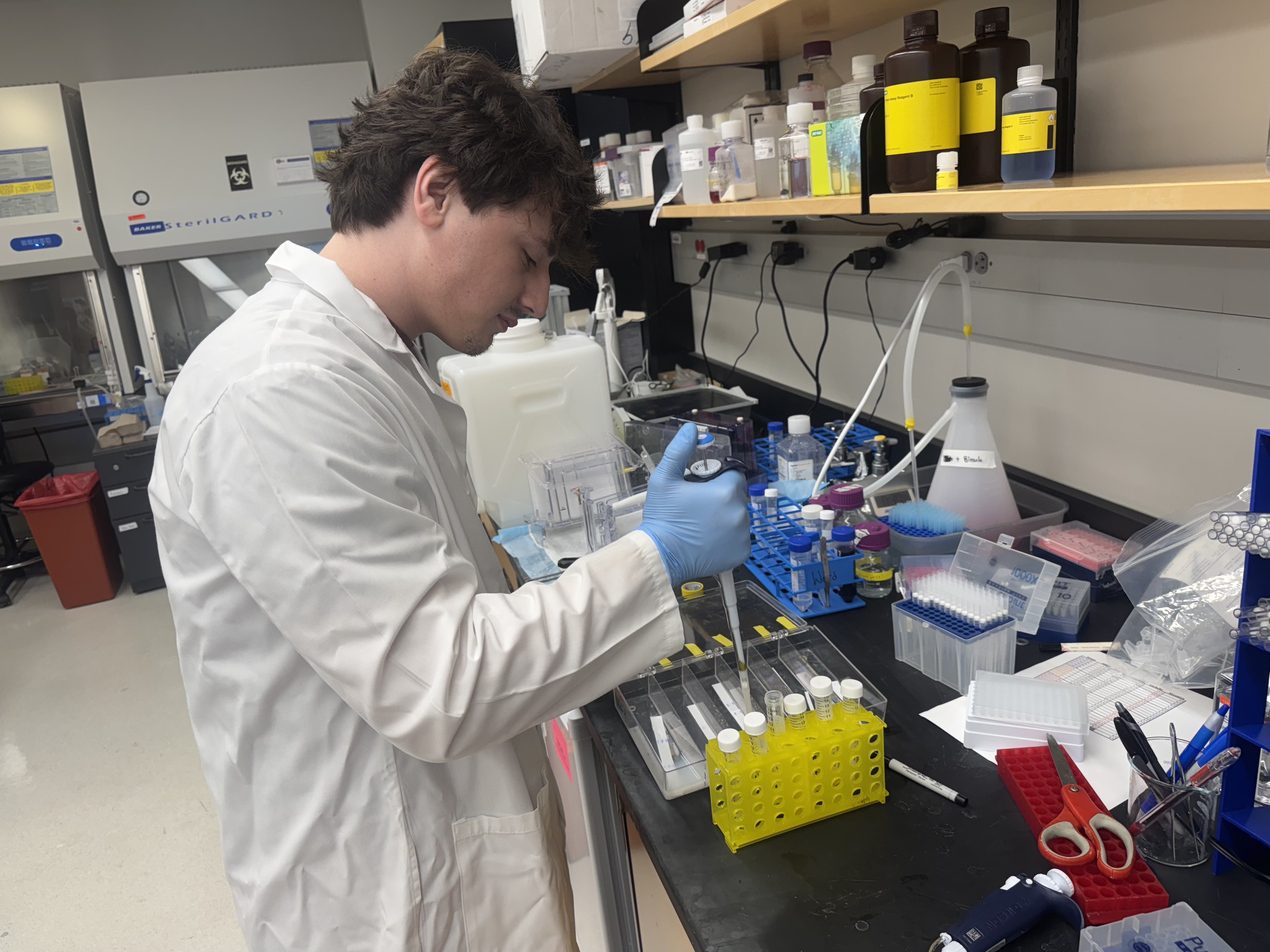
Brock Garcia works in a wet lab under Nathan Ward, PhD.
Both seniors at J.W. Mitchell High School in New Port Richey, Garcia and Matos commute nearly an hour to Moffitt multiple times a week. They say the experience has exceeded expectations.
“I’ve gotten to participate in a lot of research and be involved in projects,” Garcia said. “It’s hands-on experience I don’t feel like I could have gotten anywhere else.”
Garcia works in a wet lab under Nathan Ward, PhD, studying how cellular metabolism and tumor mutations may influence lung cancer, performing techniques such as cell culture and protein analysis. Matos works in a different environment, focusing on imaging and computational tools to analyze cancer cell behavior under Antonio Amelio, PhD.
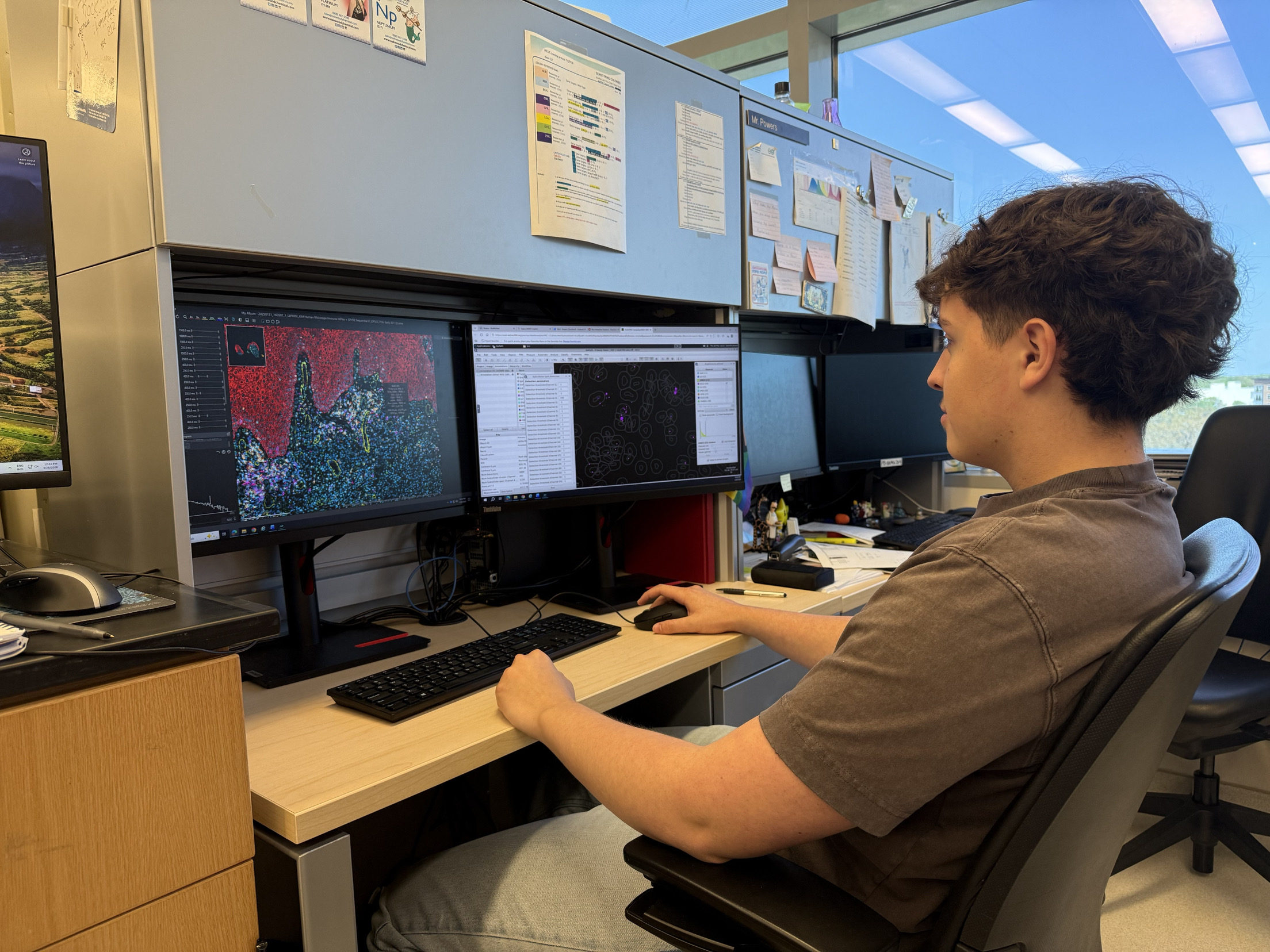
Marcel Matos uses computational tools to analyze cancer cell behavior under Antonio Amelio, PhD.
Together, their experiences reflect the breadth of opportunities available to students within a single program.
For both, the experience goes beyond technical skills.
“You’re part of the team. You’re actively participating,” Garcia said.
They have also gained exposure to how research translates into patient care.
“We got to see the whole picture, from lab work all the way to patient care and clinical trials,” Matos said.
Both students plan to attend the University of South Florida on a pre-med track and continue pursuing careers in oncology.
Driven by Purpose and Community
Their passion extends beyond the lab.
Garcia and Matos co-founded a student organization focused on health care careers and community engagement. Through events and partnerships, they raised more than $2,000 for the American Cancer Society and brought clinicians into their community to share real-world perspectives.
They now plan to continue that work in college by launching a lung cancer-focused organization.
“It’s not just about the science,” Matos said. “It’s about the impact on patients and families.”
Mentorship That Comes Full Circle
For faculty mentors, programs like MARCH represent an opportunity to give back in meaningful ways.
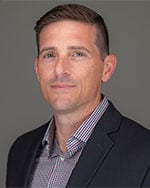
Antonio Amelio, PhD
“I was fortunate to have been invited by the late Dr. Kerry B. Clark at Florida Institute of Technology and then Dr. Arthur Teixeira at the University of Florida to participate in similar immersive research experiences as a high school student, which left an indelible impact on me,” said Amelio, vice chair for research of Head and Neck Oncology at Moffitt. “I’m grateful to the Moffitt MARCH program since it provides faculty an opportunity to give back to the youth in our communities in a similar way.”
That sense of mentorship is central to all of Moffitt’s student programs.
Building Awareness Through Moffitt Explorers
For many students, the journey begins even earlier through the Moffitt Explorers Program.
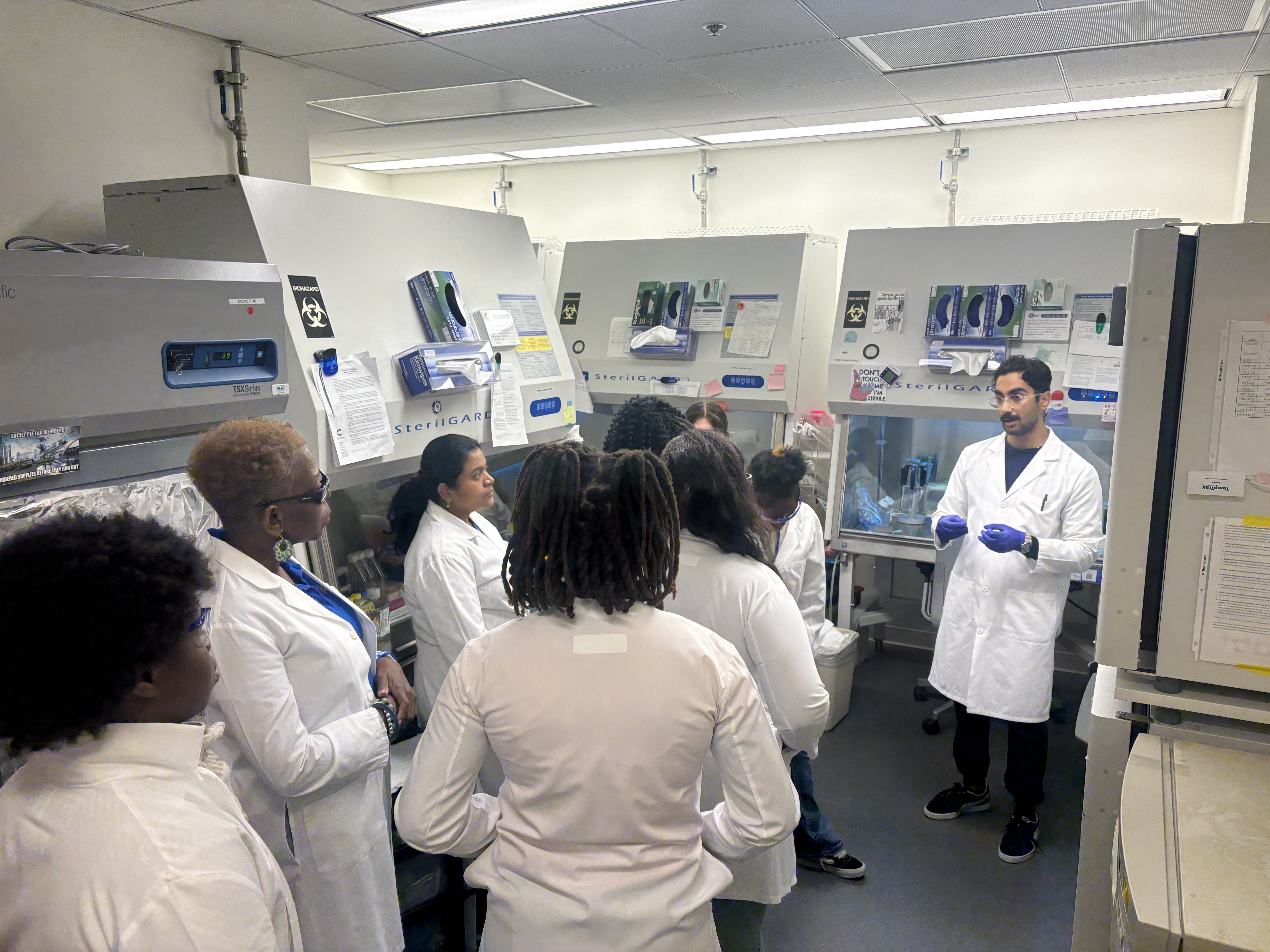
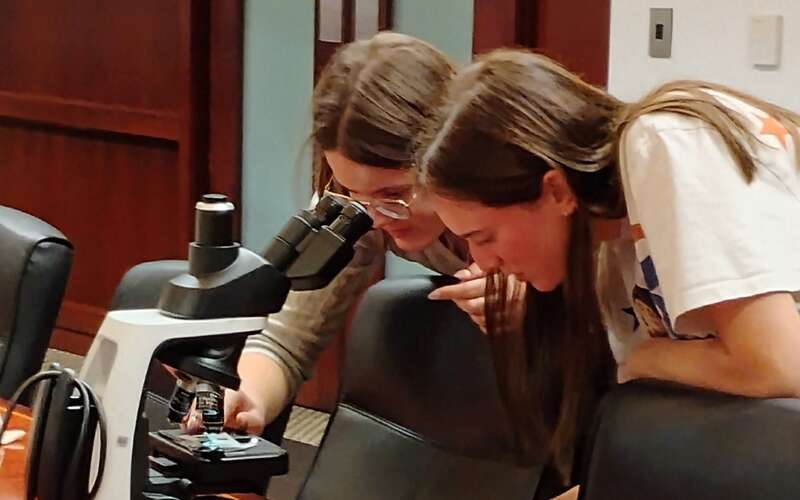
Students in the Moffitt Explorers Program get a first hand look at a research lab.
Designed as a career development initiative and cancer prevention program, Moffitt Explorers introduces middle and high school students to the wide range of roles involved in cancer care and research. Through lab tours, hands-on workshops and career panels, students connect directly with professionals across disciplines and see how a cancer center operates day to day.
“We found that a lot of students don’t really understand the different types of careers available in health care,” said Bronwen Martin, PhD, an operations research scientist in the Office of Research Career Development at Moffitt. “They think it is mainly doctors and nurses, which is not the case.”
Once students are exposed to those possibilities, interest grows quickly.
“When you open their eyes to the different careers, suddenly we were inundated with questions about what they should study, what courses to take and what those jobs are like,” Martin said.
Since launching in 2025, the program has already reached more than 1,500 students across the region through school partnerships, community organizations and on-site experiences.
Martin said the goal is not only awareness, but access.
“Often you only get these opportunities if you know the right person,” she said. “Not everyone has those contacts, so we are trying to open up those career paths to students who might not otherwise have access.”
Looking Ahead: AI and the Future of Cancer Research
As cancer research continues to evolve, so do the opportunities available to students.
Launching this summer, the AIM-HI internship (Artificial Intelligence & Machine Learning High School Internship) will introduce high school students to artificial intelligence and machine learning in health care. Over six weeks, participants will work alongside researchers, clinicians and data scientists on projects exploring how AI can improve cancer detection, diagnosis and treatment.
Students will build foundational skills in data science, attend seminars and mentoring sessions and present their work at a final research showcase.
The program reflects the growing intersection of technology and medicine, and the need to prepare students for careers that are rapidly emerging.
A Pipeline for the Future
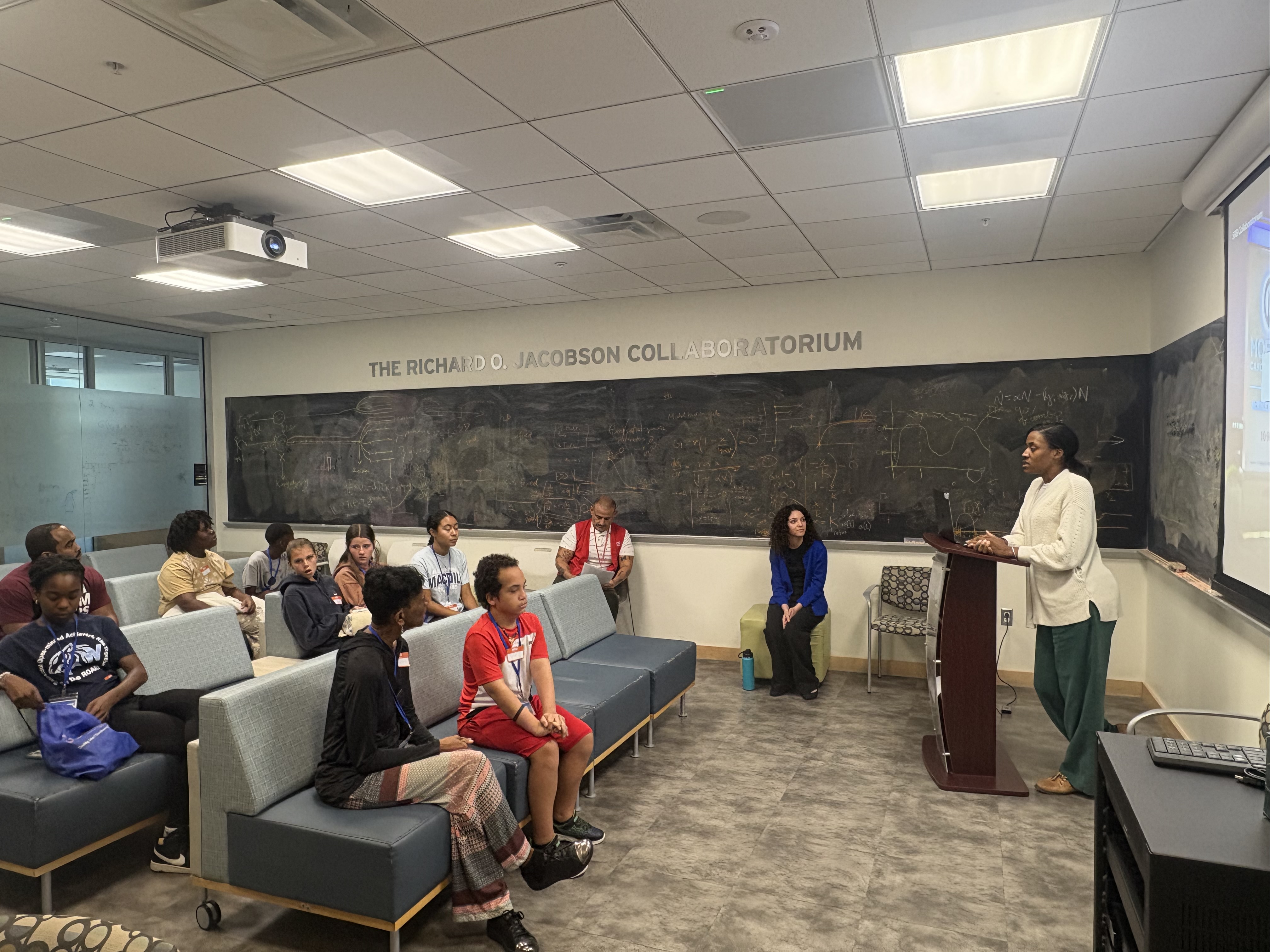
Students in the Explorers Program listen to a presentation from Renee Brady, PhD.
Together, the Moffitt Explorers Program, MARCH, HIP IMO and AIM-HI create a continuum of opportunity. Students can explore careers, gain hands-on experience and develop specialized skills that prepare them for the future of cancer research.
“We realized the importance of targeting middle and high school students to create awareness of these careers,” Martin said. “That is how we build the future workforce.”
Across all programs, one lesson stands out. Research requires persistence.
“Research isn’t always as clean as the final results make it seem,” Shah said. “There are a lot of iterations that don’t work, but that’s part of the process.”
For Garcia and Matos, that mindset is already taking hold.
“Ask questions. Nothing is a stupid question,” Matos said. “That’s how you actually learn.”
By reaching students early and providing meaningful opportunities, Moffitt is helping shape the next generation of scientists, clinicians and innovators.
For students like Shah, Garcia and Matos, these programs are more than educational experiences. They are starting points for careers dedicated to making a difference.