Moffitt-Led FORGE Coalition Awarded $47.3 Million Federal Grant to Advance Cancer Innovation at Speros
Key Takeaways:
- U.S. Deputy Secretary of Commerce Paul M. Dabbar visited Speros on Oct. 29 to announce a $47.3 million investment from the U.S. Economic Development Administration in the FORGE coalition
- The funding will support five projects focused on radiopharmaceutical manufacturing, biotechnology development, startup growth and specialized workforce training, representing a combined investment of approximately $88.2 million with matching funds
- The initiative is projected to support approximately 4,000 jobs across the Tampa Bay region at full operation and generate $3.2 billion in statewide earnings from 2026 to 2037
A major federal investment is bringing Tampa Bay one step closer to becoming a national leader in the development and manufacturing of next-generation cancer treatments.
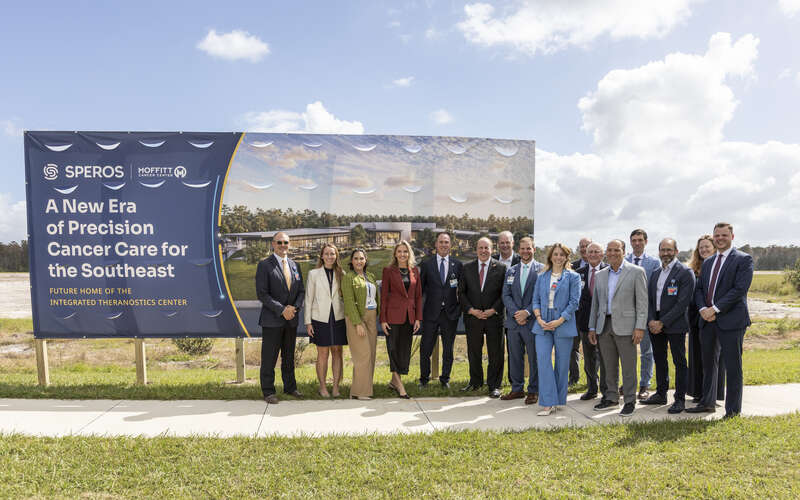
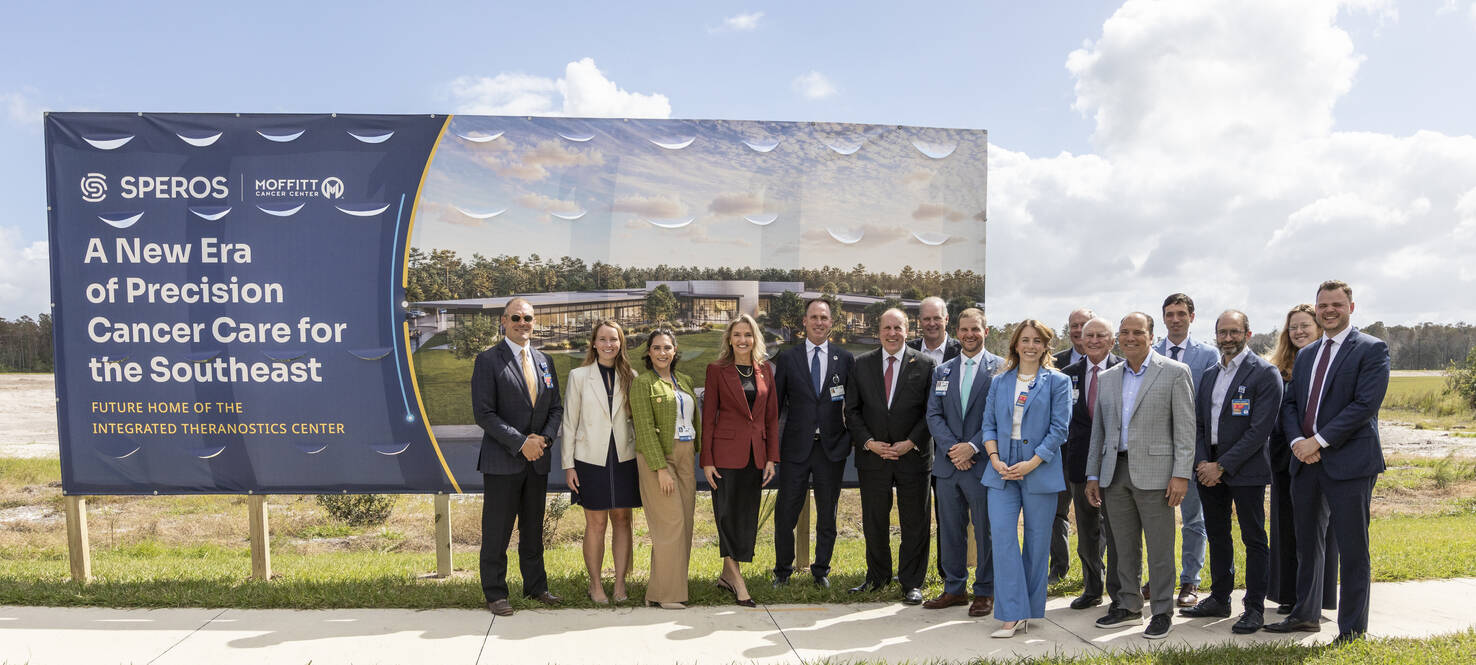
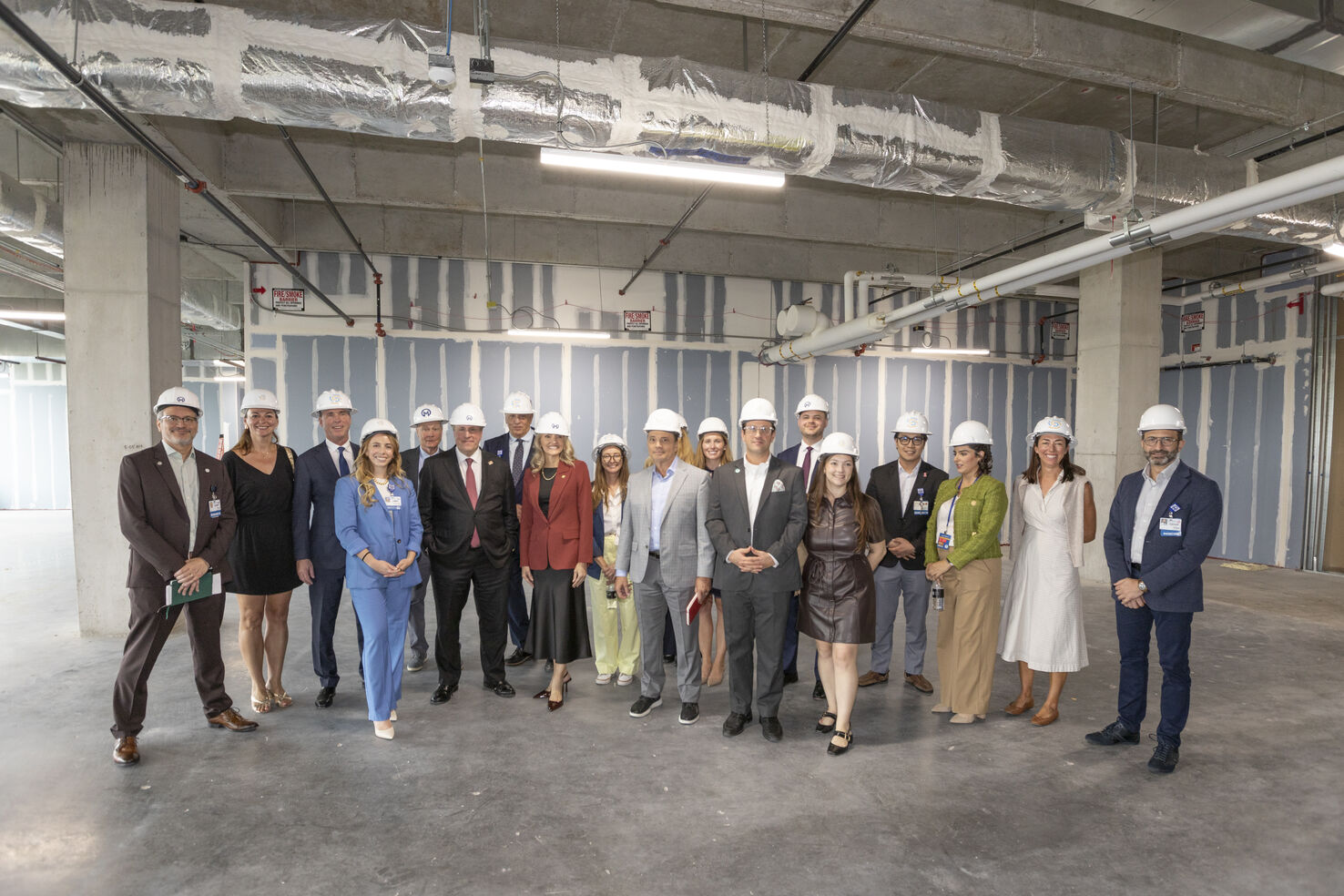
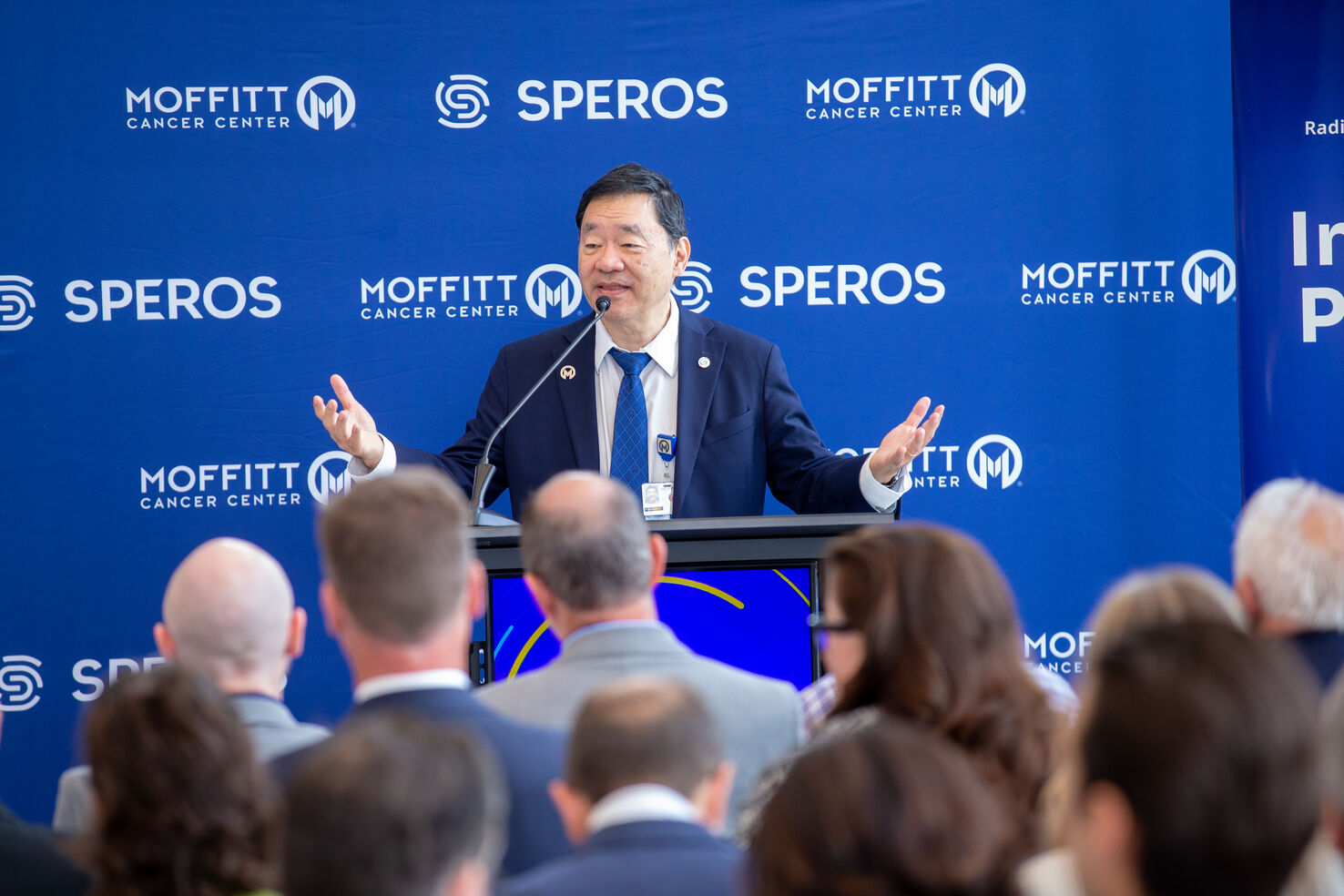
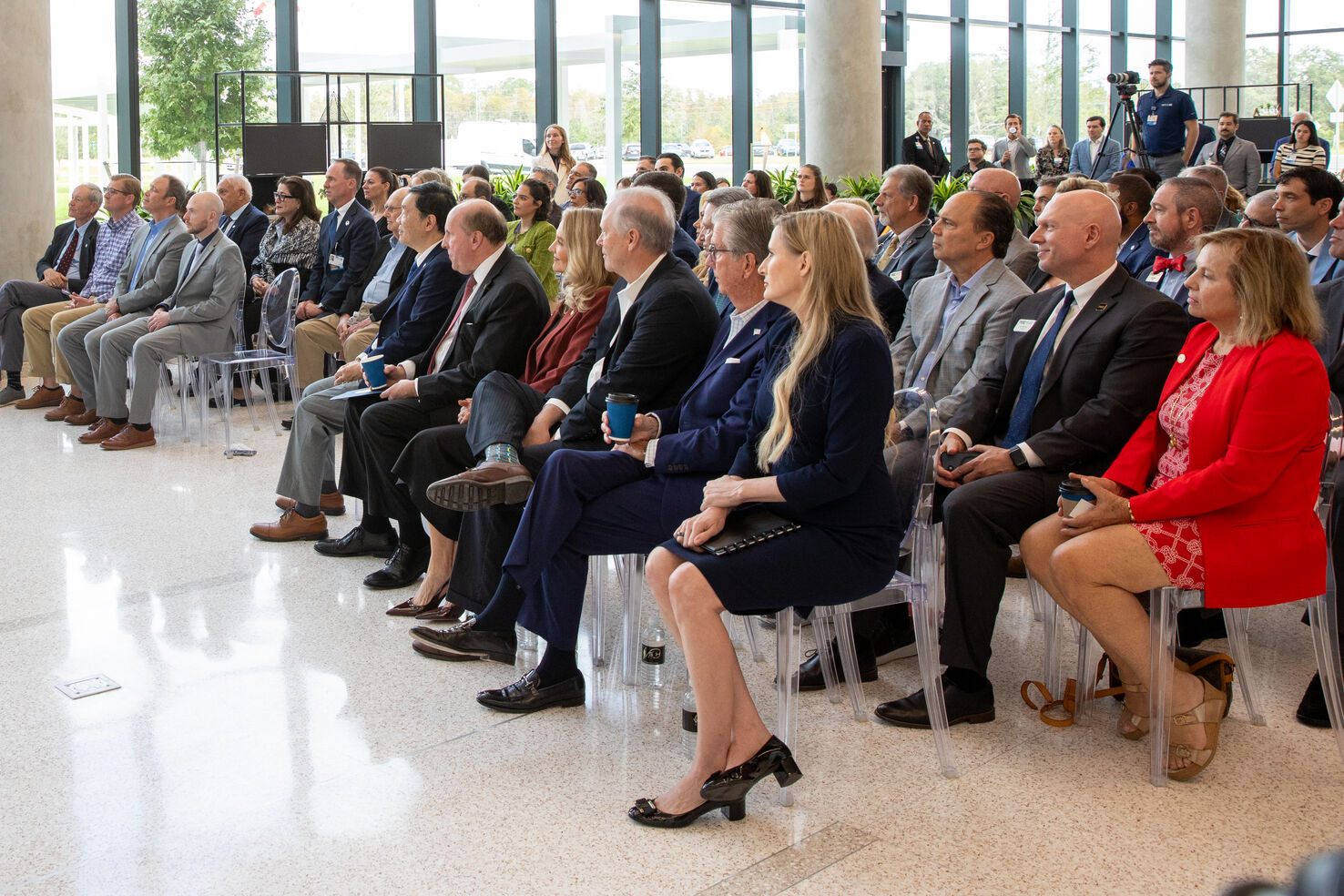
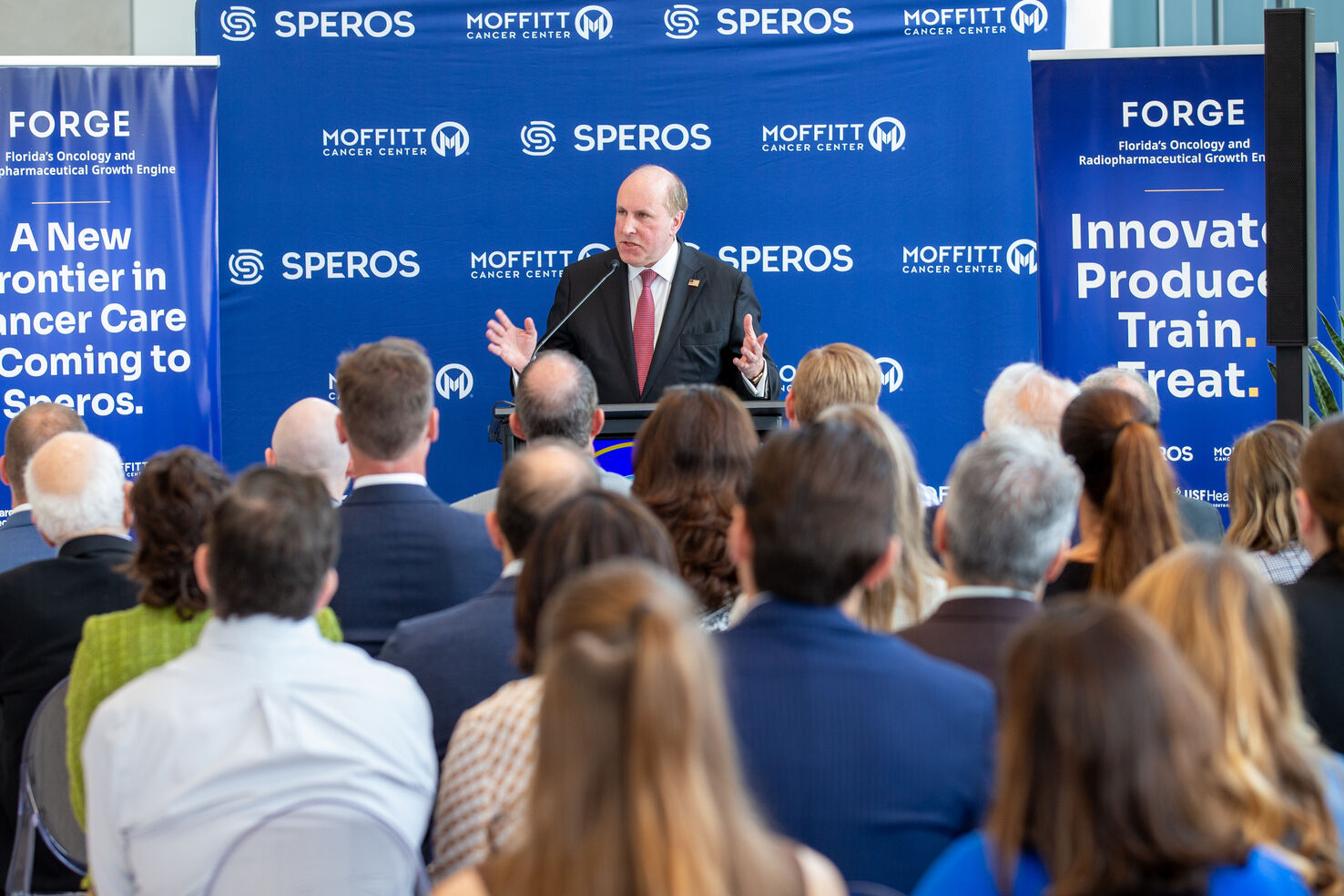
On Thursday, Oct. 29, U.S. Deputy Secretary of Commerce Paul M. Dabbar visited the Moffitt Discovery and Innovation Center at Speros in Pasco County to announce a $47.3 million grant from the U.S. Economic Development Administration to the Florida Oncology and Radiopharmaceutical Growth Engine, or FORGE.
Led by Moffitt Cancer Center and Speros, the coalition brings together the University of South Florida, Pasco-Hernando State College and Embarc Collective to develop a comprehensive radiopharmaceutical ecosystem in the Southeastern United States.
The investment will support five interconnected projects designed to advance cancer research, expand domestic manufacturing capabilities, strengthen the medical supply chain and train the next generation of health care professionals.
“This investment positions Florida to take on a challenge that matters to every cancer patient and family in this country,” said Josh Carpenter, DPhil, president of Speros and chief integration officer at Moffitt Cancer Center. “We are building the facilities, the companies and the workforce to make, test, and deliver these therapies right here in Tampa Bay.”
A Federal Investment in the Future of Cancer Care
Dabbar, who has a background in nuclear physics and previously served as the U.S. Department of Energy’s under secretary for science, highlighted the importance of expanding domestic pharmaceutical manufacturing and developing a reliable supply of medical isotopes.
Radiopharmaceuticals are an emerging class of cancer treatments that use radioactive substances to target cancer cells with greater precision. The same underlying technologies can also help physicians detect and image cancer, offering new opportunities for personalized care.
However, production of the radioactive isotopes needed for these therapies often depends on international suppliers. Because many isotopes have short half-lives, timely manufacturing and delivery are essential.
During his remarks, Dabbar emphasized the potential for the FORGE investment to strengthen American manufacturing while advancing lifesaving medical innovation.
He described the planned facilities at Speros as an opportunity to establish an end-to-end center for radiopharmaceutical research, development and commercial-grade manufacturing in the Southeast, with the ability to distribute products to patients beyond Florida.
The grant was awarded through the EDA’s fiscal year 2025 Disaster Supplemental – Industry Transformation program, which supports long-term economic resilience in communities affected by natural disasters.
With matching investments from coalition partners, the five-project FORGE portfolio represents approximately $88.2 million in combined funding.
Five Projects, One Shared Mission
The investment will support facilities and programs that connect scientific discovery with the manufacturing capabilities, businesses and specialized workforce needed to bring new cancer treatments to patients.
Integrated Theranostics Center — $16.9 million
Moffitt will develop the core and shell of a 130,000-square-foot radiopharmaceutical manufacturing facility at Speros. Designed to meet current good manufacturing practice standards, the center will be equipped with cyclotrons and radiochemistry systems to produce isotopes and manufacture radiopharmaceuticals for research, clinical trials and industry partners.
Catalyst Convergence Center — $15 million
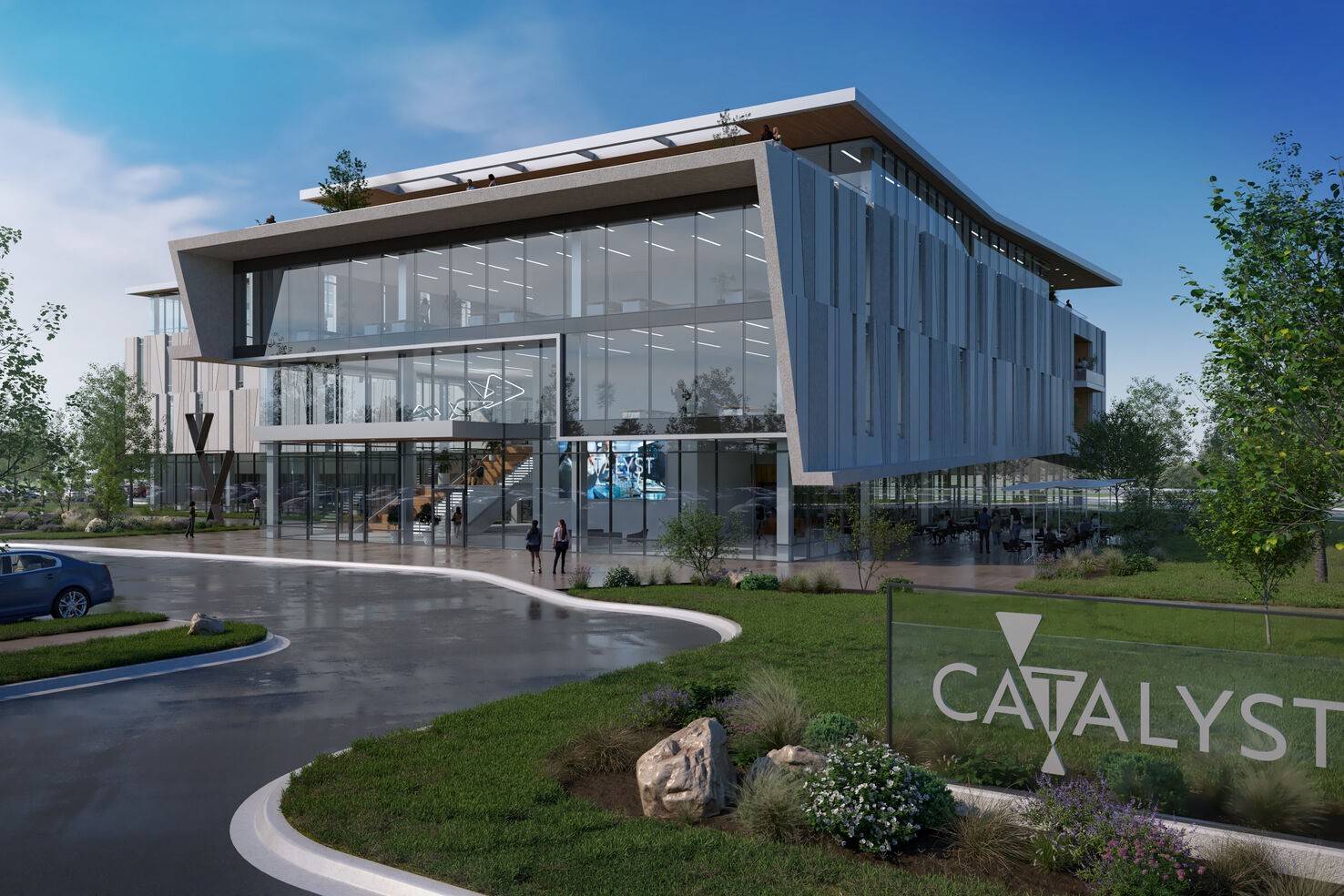
Moffitt will construct a four-story, 120,000-square-foot office and wet-lab facility at Speros to provide a permanent home for FORGE start-ups and growing biotechnology and precision medicine companies.
FORGE Incubator — $4.3 million
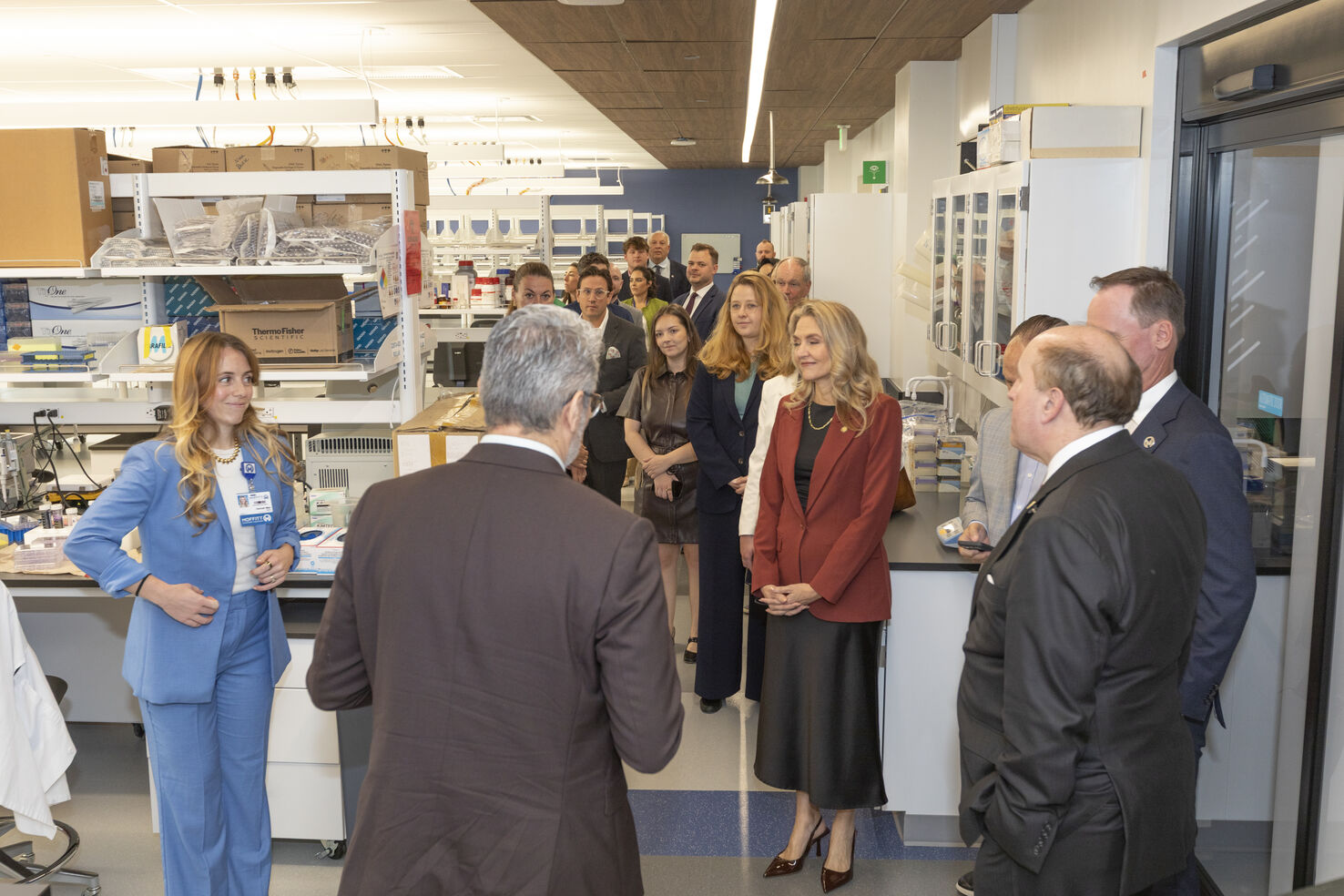
Embarc Collective will operate a 14,000-square-foot wet-lab incubator inside the recently opened Moffitt Discovery and Innovation Center. The incubator will support up to 20 early-stage radiopharmaceutical and biotechnology companies, helping entrepreneurs bring promising technologies closer to commercialization.
CORE Select Program — $6 million
The University of South Florida will create specialized radiochemistry training through USF Health to prepare nuclear pharmacists who handle, prepare and dose radiopharmaceuticals for patients.
IMPACT Program — $5 million
Pasco-Hernando State College will expand radiography and imaging education, including advanced training opportunities for professionals who perform diagnostic imaging and theranostic scans.
Together, the projects are designed to connect the entire process, from discovering promising new therapies and producing medical isotopes to training professionals and delivering treatments.

Building a Stronger Tampa Bay Economy
The FORGE initiative represents more than an investment in cancer research. It is also expected to generate significant economic opportunities across the region.
At full operation, FORGE-enabled growth is projected to support approximately 4,000 jobs throughout Tampa Bay, including 1,100 direct jobs at Speros. The initiative is also projected to generate $2.6 billion in regional earnings and $3.2 billion statewide between 2026 and 2037.
During the announcement, U.S. Rep. Laurel Lee emphasized the connection between medical innovation, domestic manufacturing and economic development.
Lee described the federal investment as an opportunity to strengthen the country’s supply of critical medical isotopes while creating high-skilled career pathways for Florida residents.
She also highlighted the importance of partnerships with regional colleges, universities and biotechnology organizations in developing a workforce capable of supporting the growing industry.
Florida Agriculture Commissioner Wilton Simpson, who has played a significant role in the development of Speros, reflected on the campus' transformation into a destination for research, innovation and patient care.
Simpson emphasized that although the initiative will create jobs and stimulate economic growth, its greatest impact will ultimately be measured in the lives of cancer patients and their families.
University of South Florida Board of Trustees Chair Mike Griffin also highlighted the strength of regional collaboration, recognizing the role of educational institutions in attracting talent, supporting scientific research and preparing students for emerging career opportunities.
Bringing Discovery and Treatment Closer Together
The announcement marks another milestone for Speros, Moffitt’s 775-acre life sciences campus in Pasco County.
The FORGE projects build on Moffitt’s approximately $600 million investment at Speros, where the newly opened Moffitt Discovery and Innovation Center joins the Moffitt Speros Outpatient Center and Richard M. Schulze Family Foundation Proton Center.
The campus is designed to bring researchers, clinicians, entrepreneurs and industry partners together, creating opportunities to move promising discoveries from laboratories into clinical care.
For patients, that proximity could eventually mean access to new cancer treatments developed, manufactured and delivered within the same regional ecosystem.
During his closing remarks, Carpenter encouraged attendees to consider the patients receiving care just steps away from the announcement.
He described a future in which a radiopharmaceutical could be discovered at Speros, manufactured nearby and delivered to a patient on the same campus. He also pointed to the opportunities the initiative will create for students pursuing careers in imaging, nuclear pharmacy and cancer research.
The vision underscores the central purpose of FORGE: to create a sustainable pipeline of scientific discoveries, new treatments and skilled professionals capable of supporting the future of cancer care.
For Moffitt and its coalition partners, the $47.3 million investment represents another step toward making that vision a reality — strengthening America’s radiopharmaceutical supply chain while bringing new hope to patients and families facing cancer.