Mother Shares Meningioma Journey To Help Others Feel Less Alone
Key Takeaways:
- A mother from Florida shares her meningioma journey to help others facing similar diagnoses feel less alone
- Surgeons at Moffitt Cancer Center removed almost all of her benign tumor across two operations, helping preserve neurological function
- Recovery included relearning to swallow, vocal cord rehabilitation and vision therapy, with ongoing imaging to monitor remaining tumor
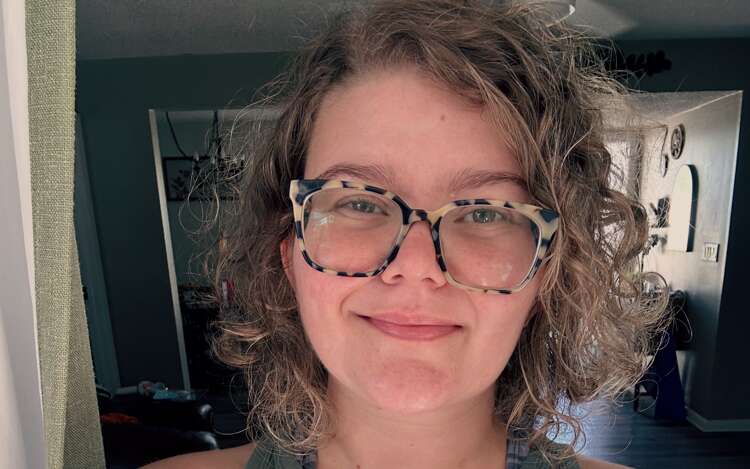
Adelie Landis recalls feeling fear while she sat at a restaurant last December.
The 34-year-old mother had imaging done while investigating other health concerns after experiencing a range of unexplained symptoms. When she opened the results from her phone that night, she discovered a possible tumor.
She turned online for answers, trying to understand what that finding meant and how it could affect her future.
“I knew nothing about it, and I just sat there Googling,” Landis recalled.
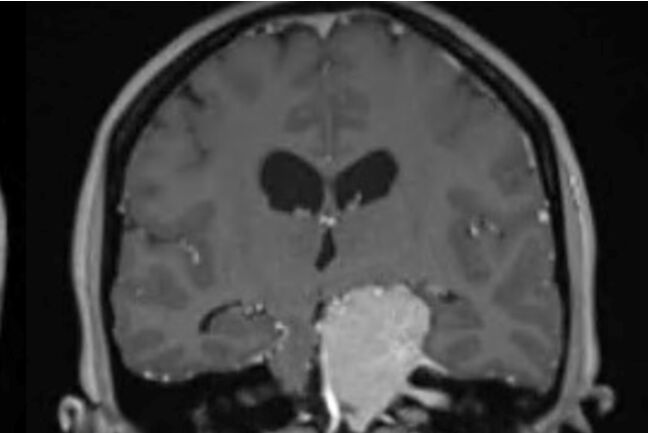
The scan suggested meningioma, a tumor that develops in the meninges, the protective membranes surrounding the brain and spinal cord.
Although most meningiomas are benign, they can go undetected for several years. Depending on their size and location, they can put pressure on sensitive neural tissues that lead to disruptive neurological symptoms.
“This has been the hardest journey I've ever been through, but I told myself I'm going to be able to get out the other side of this with better health,” Landis said.
Finding the Right Care
After thorough research, Landis chose Moffitt Cancer Center for treatment. The care she says she received from her first visit only reinforced her decision.
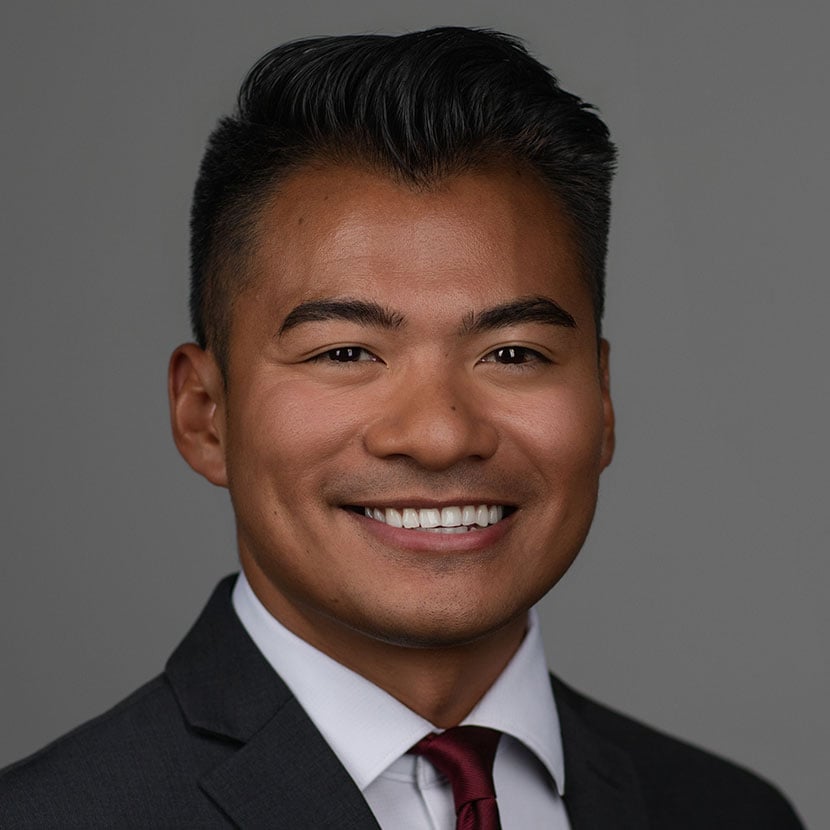
From the moment the valet team greeted her to her first impressions of Andre Beer Furlan, MD, PhD, a skull base and endovascular neurosurgeon, and his team, she felt supported.
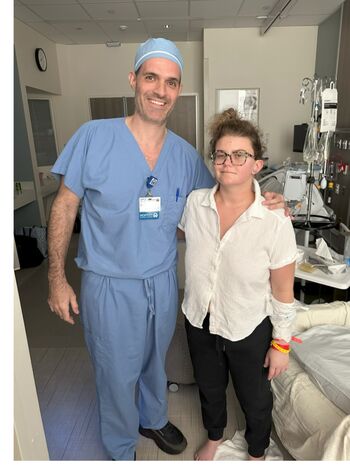
Landis says her care team at Moffitt made her feel supported throughout her treatment journey.
“I've had a lot of bad medical experiences, and they’ve given me so much trust,” Landis said. “They care a lot.”
Beer Furlan says Landis approached the process with knowledge and determination by taking an active role in understanding her diagnosis and weighing her treatment options.
“She approached that process with a strong desire to understand what was happening and, equally importantly, with tremendous motivation throughout her recovery and rehabilitation,” Beer Furlan said.
A Challenging Diagnosis
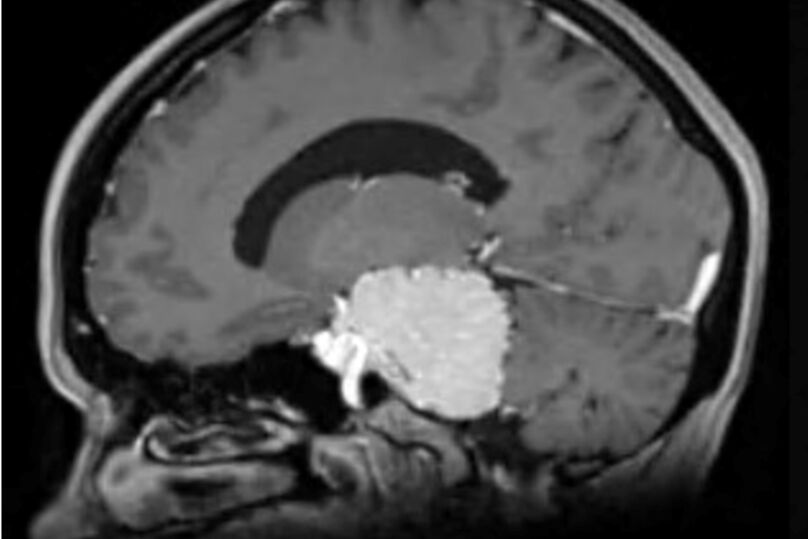
Landis had a meningioma measuring 5 by 5 centimeters, involving both the middle and posterior cranial fossae at the skull base.
Pathology confirmed a grade 1 meningioma and while benign, Beer Furlan says this was considered a more challenging area to perform surgery because the tumor compressed the brainstem and was intimately associated with multiple cranial nerves and major arteries supplying the brain and brainstem.
“Even a benign tumor can be extremely serious when it reaches this size and is located in such a critical area of the brain,” Beer Furlan said.
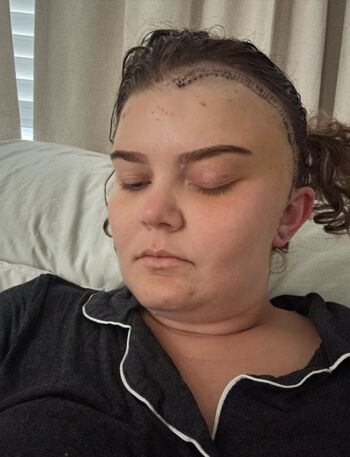
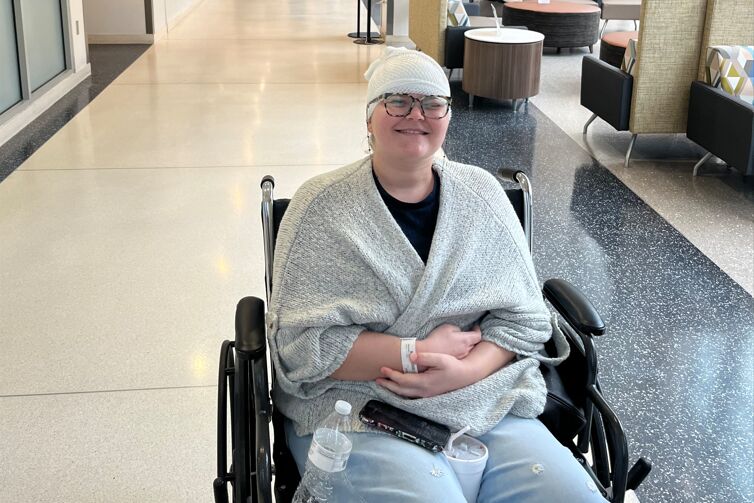
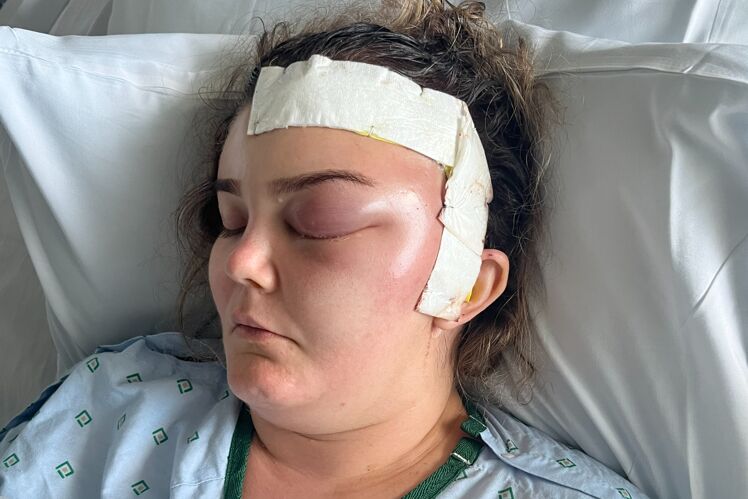
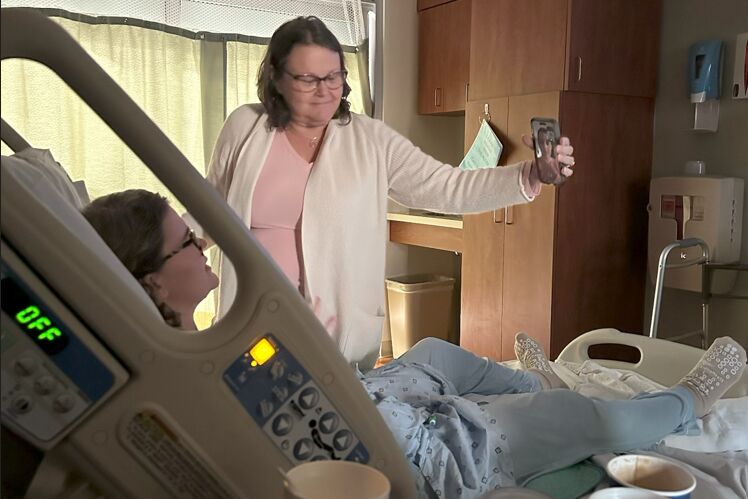
Landis continues to recover from the two surgeries that removed her meningioma.
Beer Furlan says there was no single surgical approach that would allow the team to safely access the entire tumor, therefore it was important to divide her treatment up into two operations.
Two Surgeries
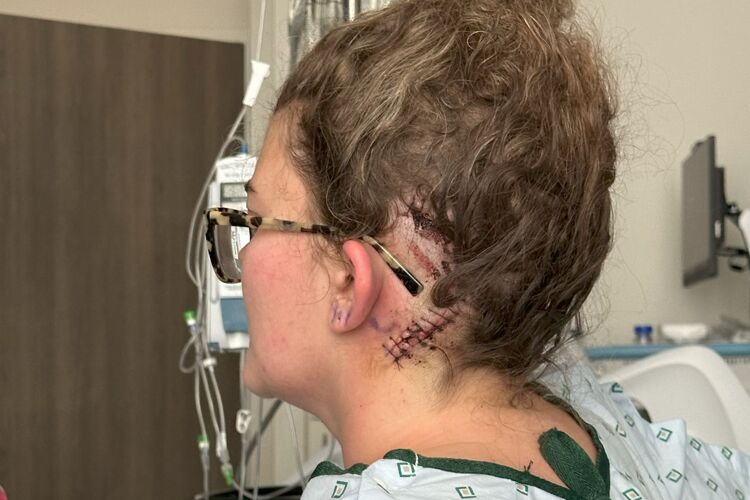
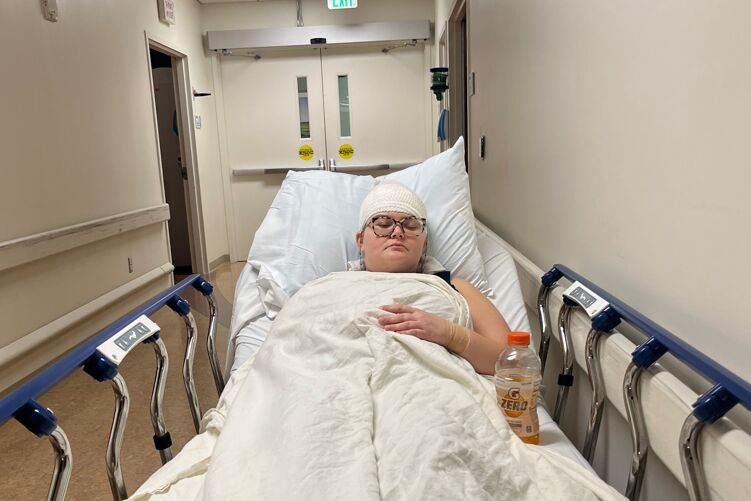
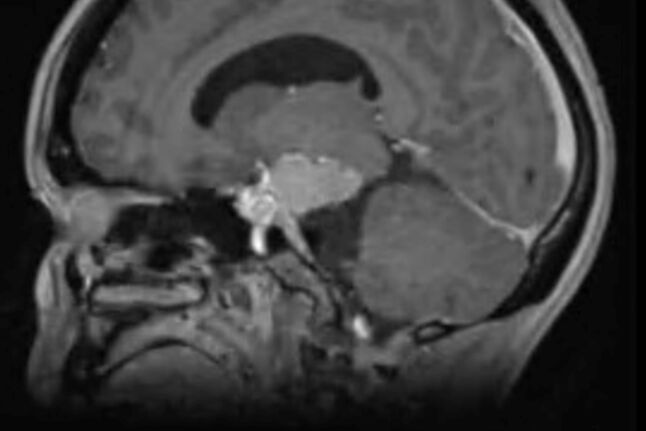
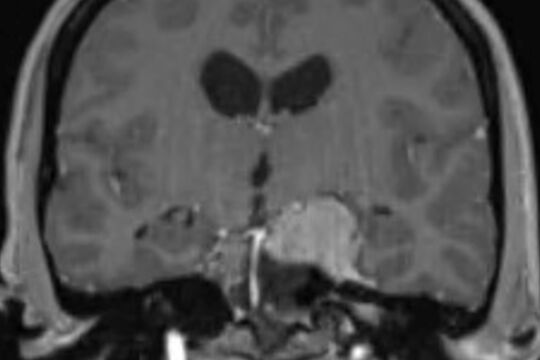
The first surgery involved the removal of the lower two-thirds of the tumor, focusing on decompressing the middle and lower portions of the brainstem and the associated cranial nerves. After allowing Landis time to recover, the team performed a second surgery to address the remaining upper portion.
Landis says part of what motivates her to share her story is to shed light on the challenges that come with the diagnosis, including the challenges of recovery.
After the first surgery, Landis had to relearn how to swallow, rehabilitate her vocal cords, and regain movement on the left side of her face. She also underwent rehabilitation to rebuild movement on the left side of her body.
Progress initially felt slow, she says, until she experienced a significant improvement in her abilities. Following the second surgery, Landis began vision therapy, which remains ongoing.
Preserving Neurological Function
An important part of skull base surgery is knowing not only how much tumor can be removed but also when removing additional tumor would create an unacceptable risk to neurological function, Beer Furlan says.
A portion of Landis’ tumor extended into the cavernous sinus, an area containing several critical cranial nerves and the internal carotid artery. Beer Furlan says attempting to remove this part of the tumor could have resulted in permanent neurological deficits.
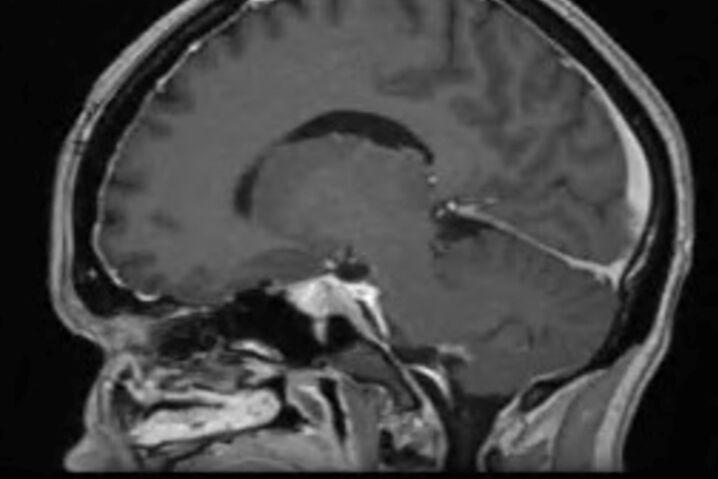
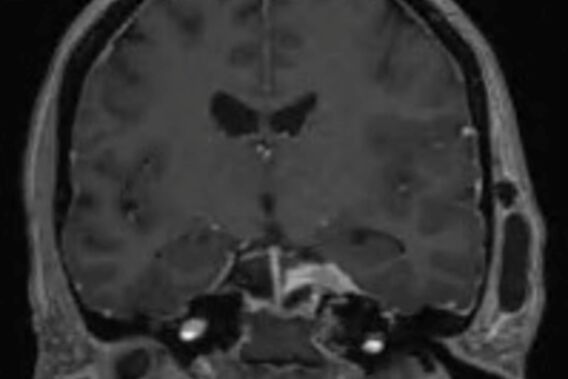
 However, across two surgeries, the team removed approximately 97% to 98% of the tumor, while prioritizing preservation of her neurological function. Since the tumor was grade 1, the current plan for the small residual tumor is careful surveillance with serial imaging rather than additional treatment.
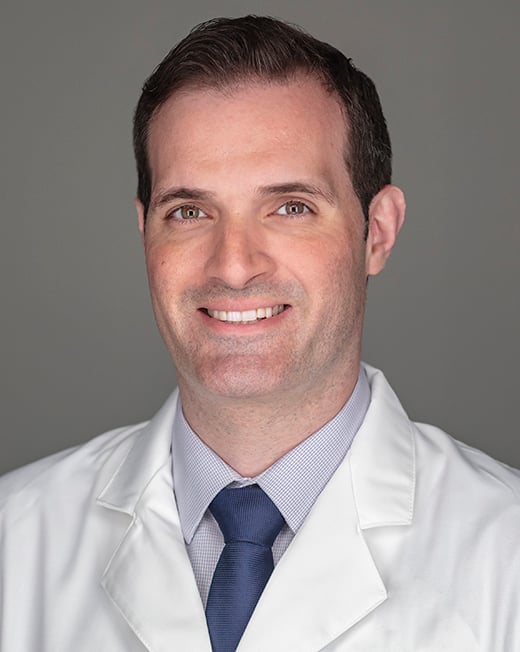
Andre Beer Furlan, MD, PhDBeer Furlan says cases like Landis’ illustrate why complex skull base tumors benefit from treatment at a specialized cancer center.
“Our goal at Moffitt is not simply to remove as much tumor as possible. It is to balance tumor control with preservation of neurological function and quality of life,” Beer Furlan said. “This case is a great example of that philosophy and of the multidisciplinary teamwork required to care for patients with these complex tumors.”
A Mother’s Motivation
Through the uncertainty of treatment and challenges of recovery, Landis says her daughter Avery has remained her greatest motivation. Every step forward in her recovery brings her closer to being there for her daughter, who recently started kindergarten.
“She hasn't had it easy either,” Landis said. “She deserves to have a mom to continue to support her.”
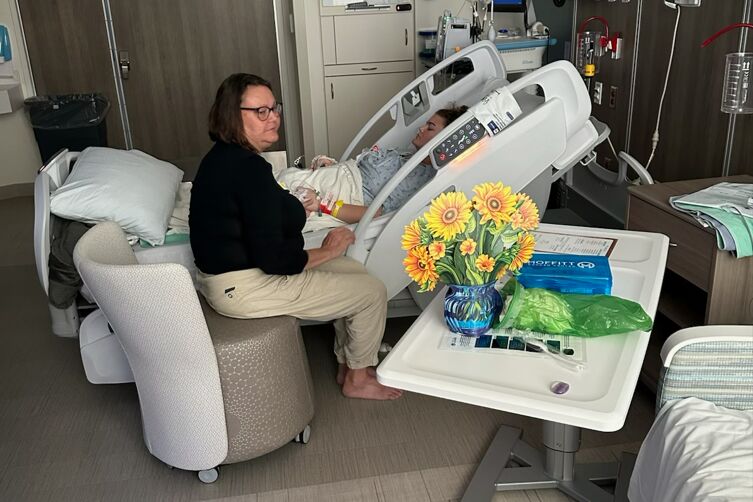
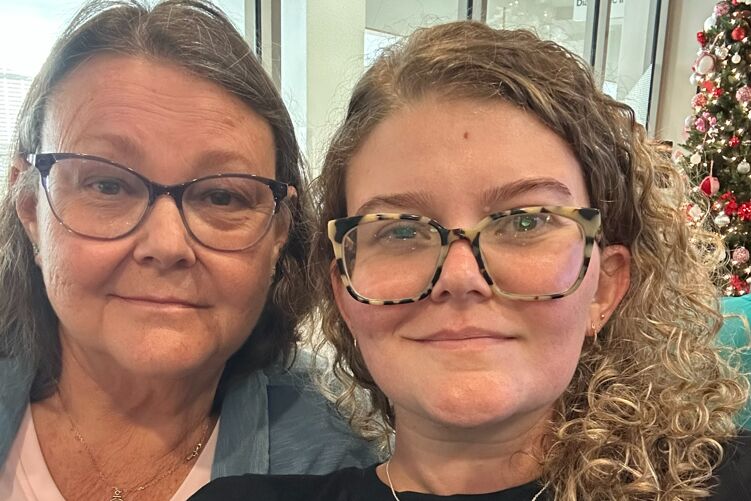
A diagnosis as challenging as meningioma required support from family and loved ones. Her mother stayed with her during hospital visits and drove her to appointments, while her partner helped care for Avery and kept the household running.
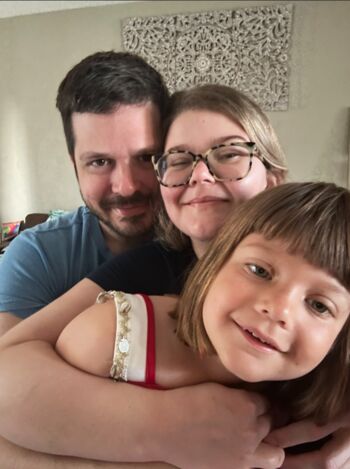
Landis credits her family for being a source of strength throughout her meningioma journey.
Landis says she was also grateful for the support she received from her work team, who all pitched in to ensure her job continued to get done.
This included check-ins from her boss over the phone to check in on her progress and gifts from team members leading up to her first leave.
"This marketing team's care and effort showcases the power of a team who truly cares about each other," Landis said.
Turning Experience Into Awareness
Landis has long used social media to discuss health conditions, including endometriosis and adenomyosis, raise awareness and help others find information and support.
She decided to share her experience with meningioma, recognizing that it’s one way to cope through her journey while helping others face similar challenges. Platforms from TikTok to Instagram have helped Landis connect with people navigating similar health journeys.
Landis says building relationships with people online who understand uncertainty and emotional challenges of similar health concerns has been healing in some ways.
“The upside of sharing it and creating awareness is that it makes people feel like they’re not alone. It’s also become part of my processing,” Landis said.
Away from treatment and recovery, Landis finds more comfort in simpler pleasures, including reading mystery novels or binging on episodes of The Golden Girls or Friends. Any time spent with family isn’t taken for granted.
At times, Landis admits she struggles to understand why she has faced several health challenges at her age, but she continues to draw strength from her family, faith and the community she has built online.
“I'm still processing but I try to also have faith in God that there's a reason why, and I try to share my story to help other people get through it,” Landis said.
 Medically reviewed by Andre Beer Furlan, MD, PhD, Neuro-Oncology Department