New Technology Advances Radiation Treatment at Moffitt
Key Takeaways:
- New MR-Linac technology lets Moffitt Cancer Center doctors see tumors in real time during radiation treatment
- Diane Lahner, 80, remains active five years after completing five sessions of targeted radiation for pancreatic cancer
- The new technology can help doctors deliver higher radiation doses while limiting exposure to nearby healthy organs
Diane Lahner says she is living proof that hope exists.
Five years ago, at age 75, she rang the bell at Moffitt Cancer Center after completing radiation therapy for pancreatic cancer. Since then, she has been able to return to the routines and activities that bring meaning to her life.
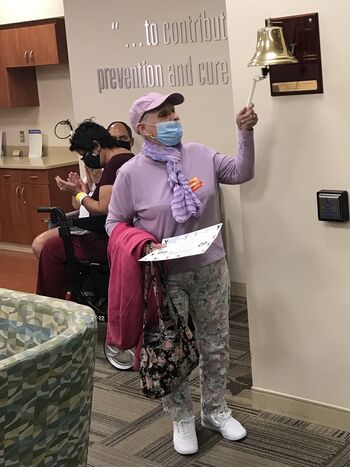 “What a blessing it is to have made it all this way,” Lahner said. “I give thanks to God and all the dedicated professionals at Moffitt.Diane Lahner rings the bell in 2021 at Moffitt.
Impact of New Technology
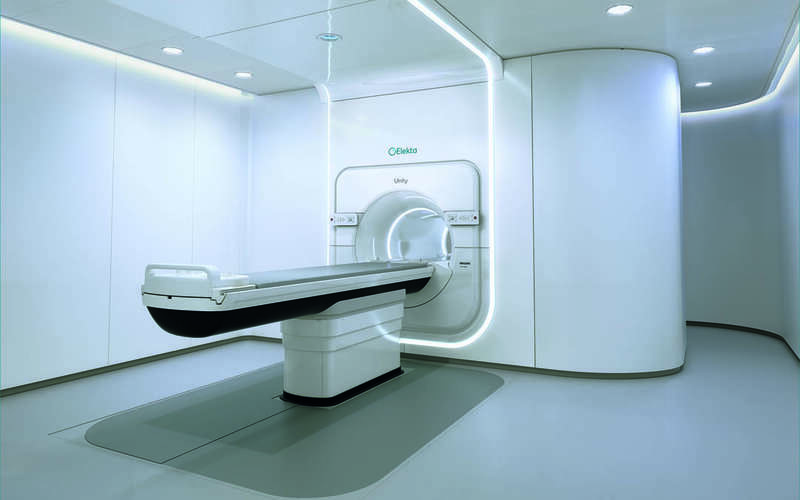
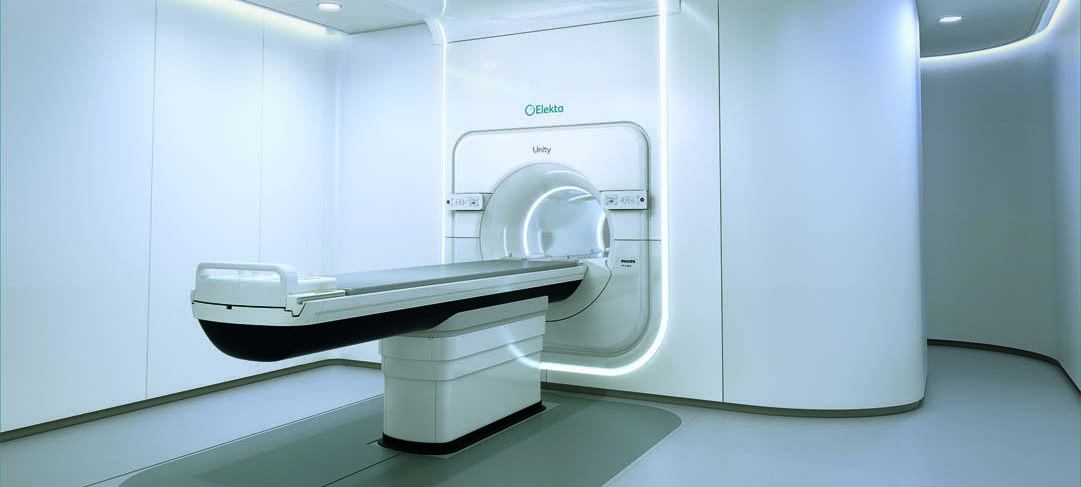
Lahner recently returned to Moffitt’s radiation oncology clinic to see the new Elekta Unity MR-Linac, which just began treating patients and delivers radiation up to six times the standard dose to tumors that change position with breathing and organ motion.
The machine can be used treat several cancers, including prostate, pancreatic and liver cancers.
“We are now able to treat patients with a radiotherapy unit that has built in MR imaging so that we can see the tumor in real time while treating the patient each day,” said Kosj Yamoah, MD, Moffitt’s Radiation Oncology Department chair.
For Lahner, the visit offered an opportunity to reflect on how radiation therapy and Moffitt team members helped preserve her quality of life following her diagnosis in 2020.
After completing chemotherapy near her home in Brevard County, Lahner was referred to Moffitt to explore the next steps in her care. She had been told that Moffitt has extensive experience treating patients with pancreatic cancer with excellent outcomes.
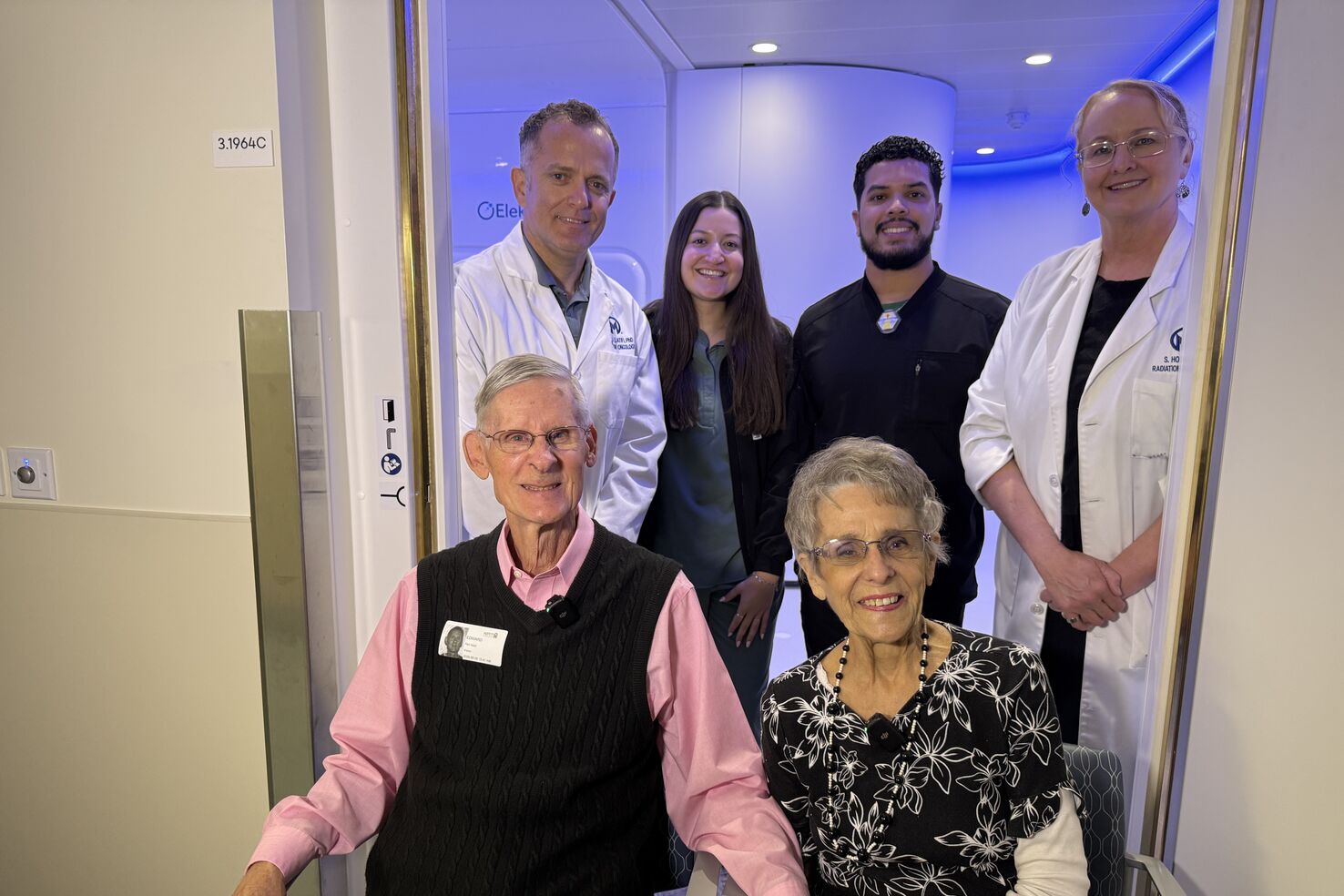
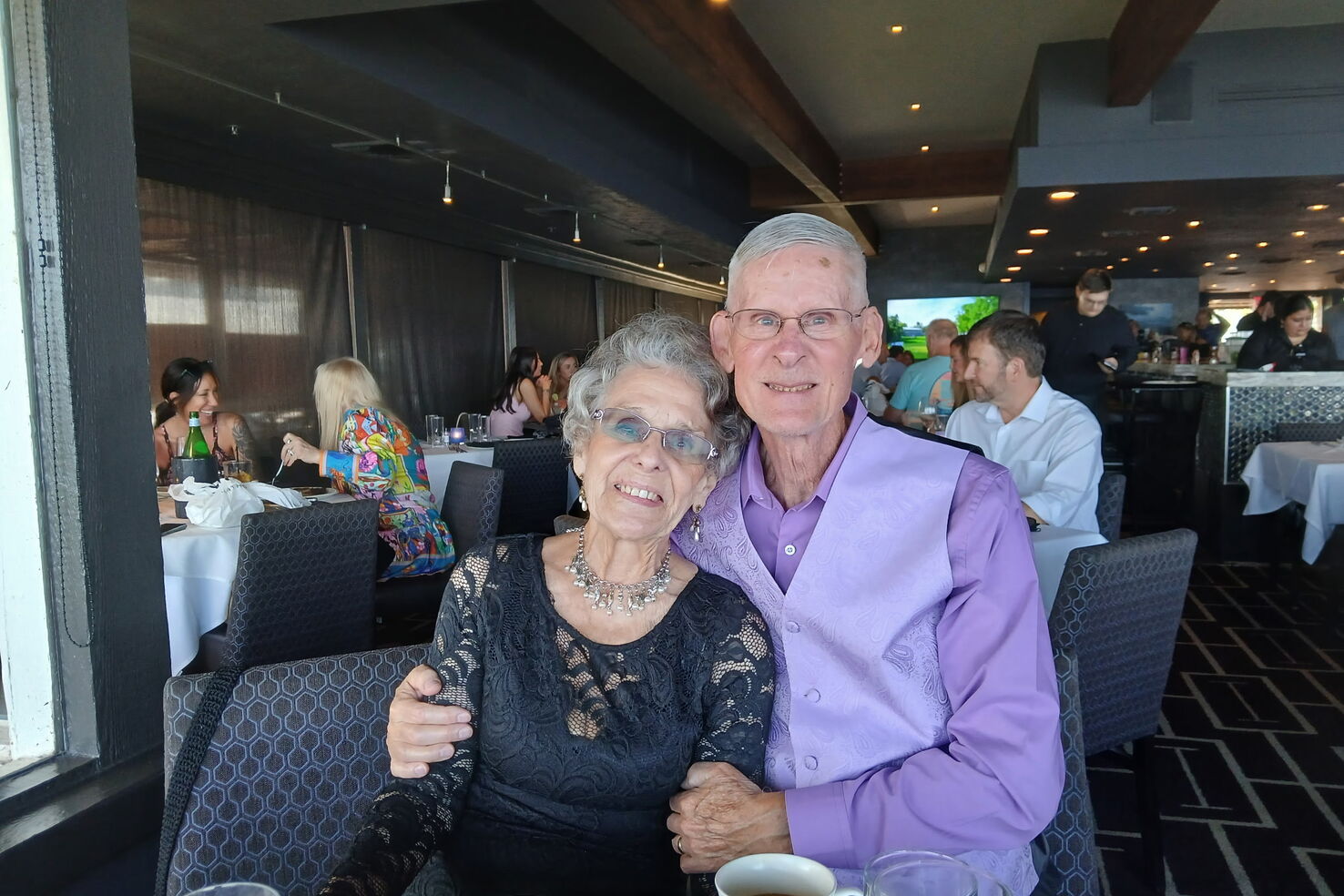
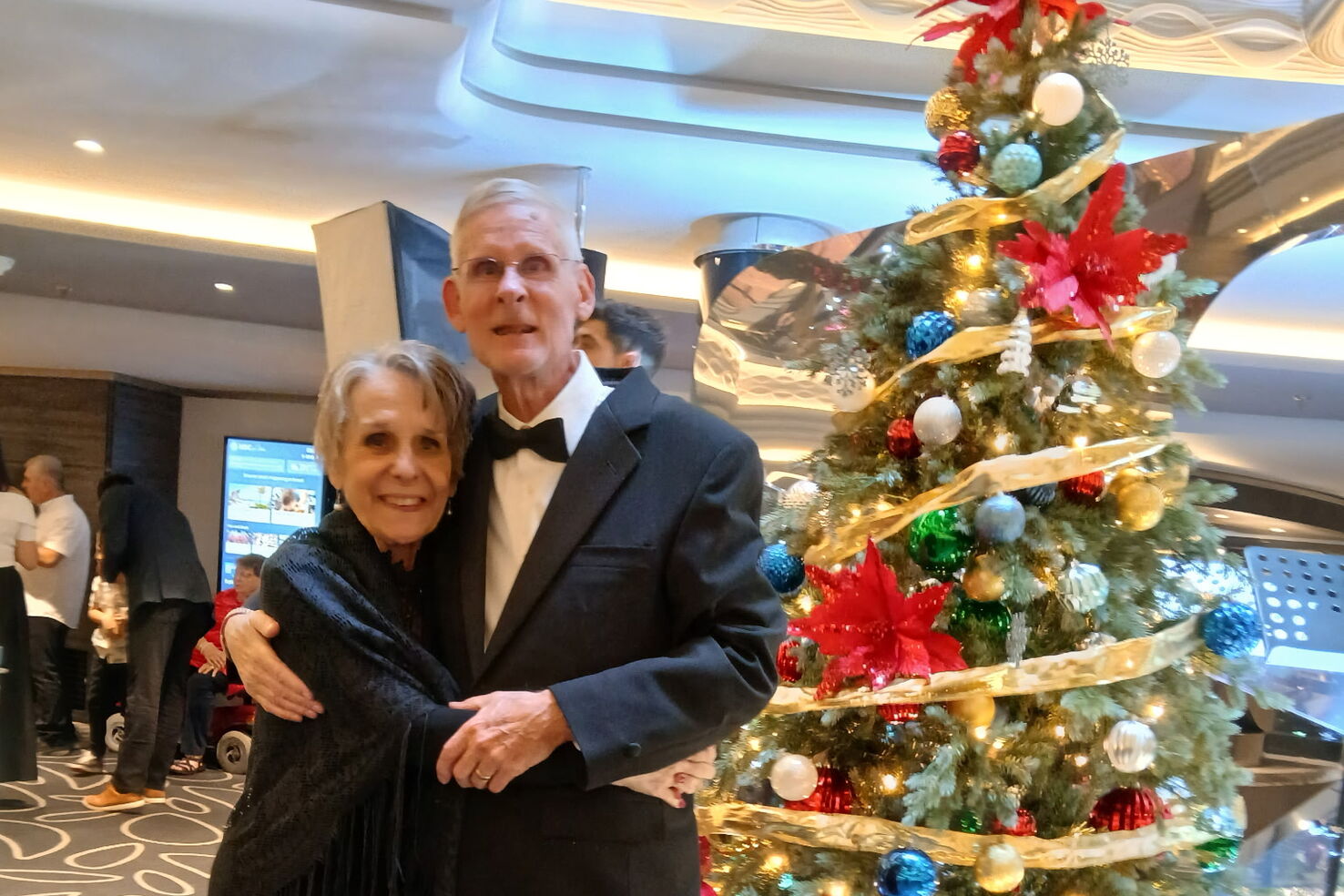
Lahner and her friend Ed Morkowski vistied her radiation oncology team members and got to see the new Elekta MR-Linac.
Lahner saw Jason Denbo, MD, a surgical oncologist at Moffitt, and was told she would be a candidate for surgery after some chemotherapy and radiation therapy. However, after reflecting on what surgery would mean for her at her age, she chose a nonsurgical approach.
Under the care of Sarah Hoffe, MD, Moffitt’s radiation oncology director of extended reality and innovation, Lahner completed five sessions of stereotactic body radiation therapy (SBRT). She was treated with an adaptive technique on the MR-Linac that Moffitt had at that time.
This precise treatment included personalized high doses of radiotherapy to her tumor while minimizing dose to the adjacent normal tissue.

Lahner says she experienced no significant side effects or downtime from the radiotherapy. In the five years since completing treatment, she has been able to make the most of everyday life by attending church, shopping and riding her bicycle.
Friends for Four Decades
Lahner says reaching this milestone would not have been possible without Ed Markowski.
The two, who met at church more than 40 years ago, grew even closer after both experienced the loss of their spouses. When Lahner became seriously ill, Markowski stayed by her side, cared for her and prayed with her. He also drove her three hours from Brevard County to appointments at Moffitt.
“I could not have made it all this time without him,” Lahner said. “He’s been so wonderful.”
For Markowski, the long drives were worthwhile because he believed Lahner was receiving the best care possible at Moffitt.
“Each of these trips is a journey but Moffitt is the right place to be,” he said.



A Team Effort
Lahner and Markowski credit Hoffe and the radiation oncology team with helping Lahner improve her quality of life following treatment.
They were also impressed by the multidisciplinary process used to plan her care. It was apparent to them how closely Hoffe and Denbo collaborated on her case, involving her in discussions about her treatment goals. They also noted how hands- on the physicists and radiation therapists were every day of her treatment.

According to Moffitt’s Adaptive Radiation Therapy directors, Stephen Rosenberg, MD, MS, and Kujtim Latifi, PhD, MR-Linac technology allows physicians to see the tumor and surrounding organs more clearly during treatment. That improved visualization can help the team adjust treatment from one day to the next, delivering high doses of radiation to the tumor while limiting exposure to nearby healthy tissue.
“The MR-Linac allows us to see the cancer and distinguish it from the surrounding healthy tissue using MRI,” Rosenberg said. “This allows us to personalize each day’s treatment and precisely target pancreatic tumors while preserving the function of nearby organs such as the stomach and bowel.”
Markowski says Moffitt’s commitment and positive attitude were evident throughout Lahner’s experience, from the physicians, nurses and technicians to all the non-medical support staff.
“We mean it from our hearts when we say we’re grateful,” Markowski said.
Impact for Future Patients 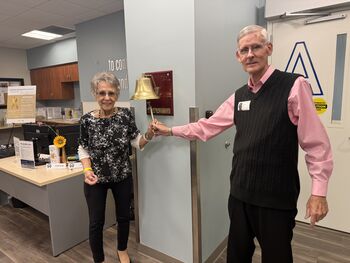
During their visit, Lahner and Morkowski returned to the bell she rang in 2021 after completing radiation treatment at Moffitt.
Having experienced firsthand the impact radiation treatment can have on a patient’s quality of life, Lahner and Markowski hope the new technology will give more people the opportunity to continue doing the things that matter most to them.
“Technology moves quickly,” Markowski said. “It’s going to help a lot of people along the way.”
Not every patient with pancreatic cancer will be able to undergo surgery, depending on the location of the tumor, even when they are evaluated by highly experienced pancreatic surgeons, says Hoffe.
However, for patients who are not surgical candidates, advances in radiotherapy are providing new treatment options.
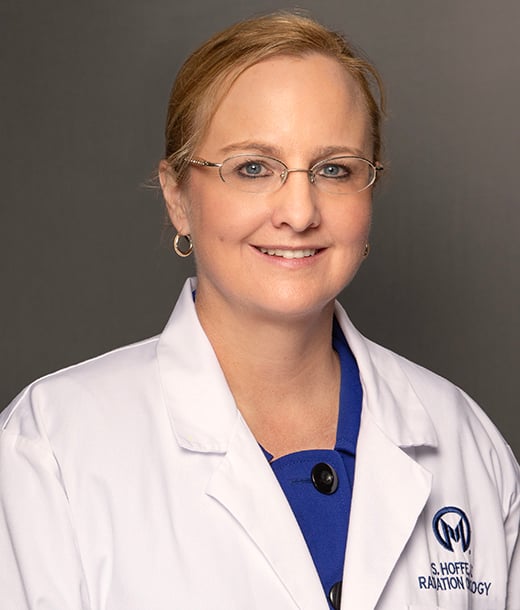
Sarah Hoffe, MD
“I remember the days when there were no other options for those patients who could not have surgery,” Hoffe said. “Now that we have the ability to escalate the doses of radiotherapy, we are making significant progress. This advance, coupled with the improvements in targeted drug therapy, is paving the way for a brighter future.”
For Lahner, the visit was also a reminder of how far she has come since ringing the bell in 2021. Seeing the new machine reinforced her message she wants to share with other patients: There is always reason to hope despite a cancer diagnosis
“Never give up,” Lahner said.
 Medically reviewed by Sarah Hoffe, MD, Gastrointestinal Oncology Program