Second Opinion Helps Two Sarcoma Patients Avoid Amputation
Key Takeaway:
- After being told amputation was their best or only option, two sarcoma patients sought care at Moffitt Cancer Center, where specialists determined they were candidates for limb-salvage surgery
- Orthopedic oncology surgeon Alexander Lazarides, MD, and plastic surgeon Aurora Kareh, MD, collaborated to safely remove each patient's tumor while reconstructing the affected limb to preserve function
- Both patients currently show no evidence of disease and are working through rehabilitation
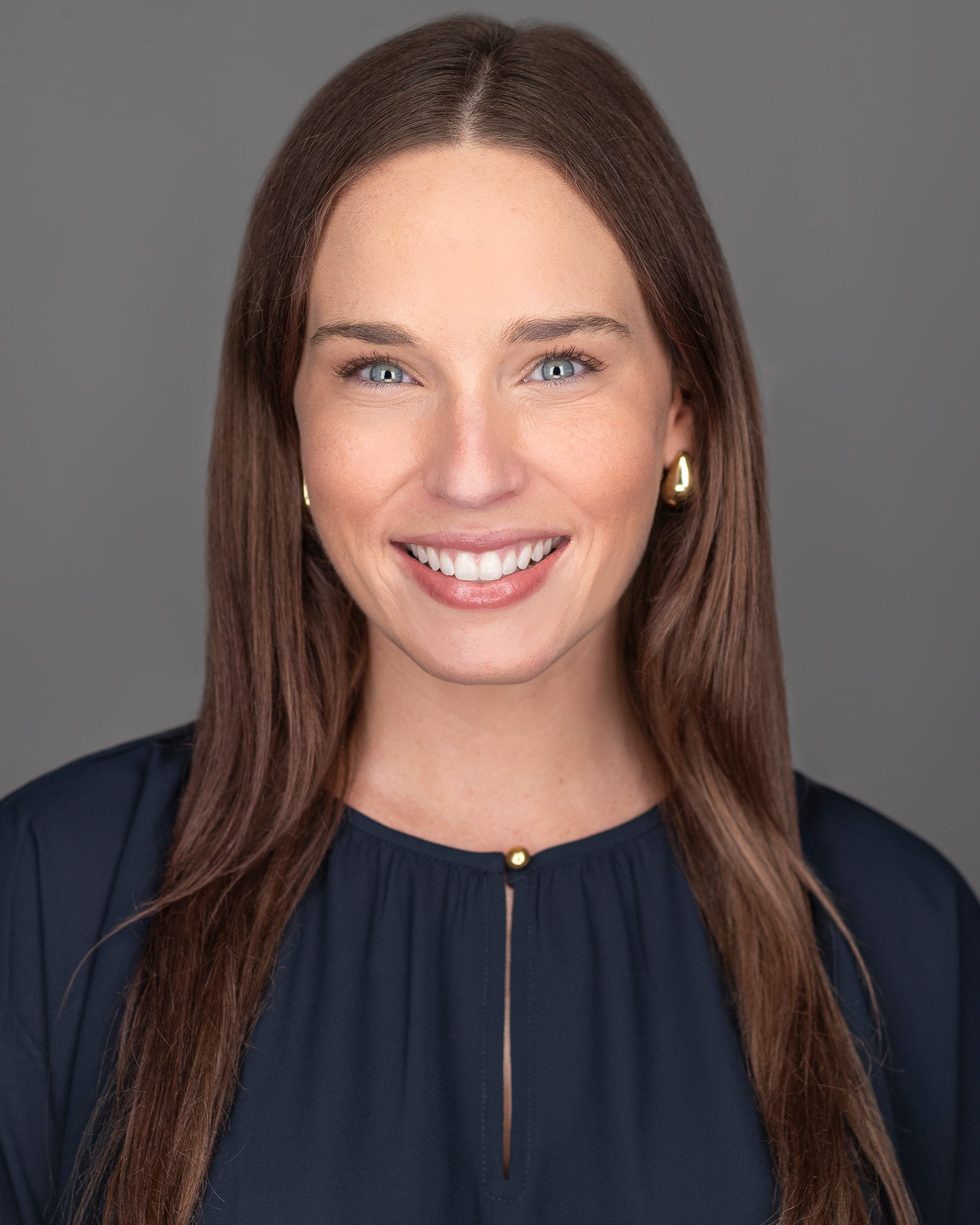
Being active has been a consistent part of 36-year-old Reid Lancaster’s life. In 2024, during a routine morning run, he began experiencing pain in his right leg that he initially thought was shin splints. After visiting a podiatrist, he was fitted with shoe inserts, but when the pain persisted, another physician diagnosed a stress fracture in his lower tibia. It was expected it to heal with time.
Despite wearing a boot, Lancaster’s pain continued to worsen, prompting an MRI that revealed a tumor. Further testing confirmed the diagnosis of osteosarcoma, a rare type of bone cancer that most often develops in the long bones.
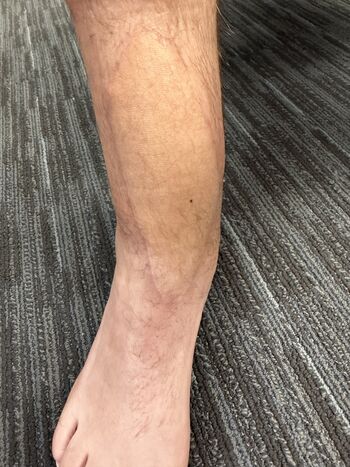
The osteosarcoma in Reid Lancaster's lower tibia was previously misdiagnosed as a stress fracture.
The osteosarcoma diagnosis was not Lancaster’s first encounter with cancer. In 2011, he was diagnosed with testicular cancer, underwent treatment and later entered remission. Genetic testing revealed Lancaster has Li-Fraumeni Syndrome, a rare genetic condition caused by a gene mutation, which increases the risk of multiple early-onset cancers.
Before beginning treatment for osteosarcoma, Lancaster knew he wanted to avoid amputation if possible.
"The only two options I was given were amputation or using a cadaver bone to replace what they would need to remove, which I was told would come with a high risk of infection and injury," Lancaster said. "Hearing that was devastating at the time."
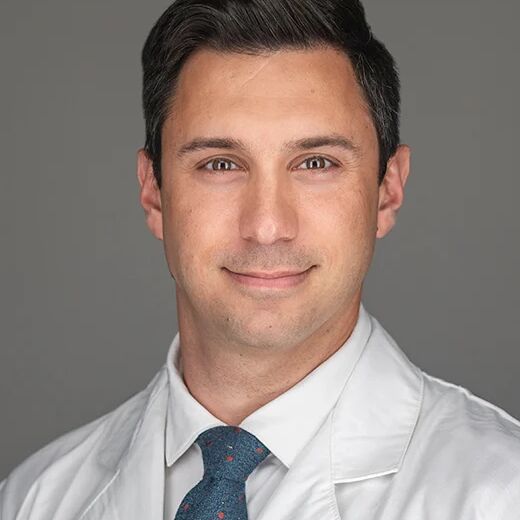
Seeking another option, Lancaster came to Moffitt Cancer Center for a second opinion. His treatment began with chemotherapy, followed by surgery performed by orthopedic oncology surgeon and musculoskeletal oncologist Alexander Lazarides, MD, and plastic surgeon Aurora Kareh, MD, whose practice focuses on breast cancer and sarcoma reconstruction.
Identifying Surgical Candidates
Before any surgery, Lazarides and Kareh evaluate whether limb salvage is medically appropriate and oncologically safe.
"The first thing we look at is whether the patient is medically suitable to proceed," Lazarides said. "The second question is whether the tumor can be removed in an appropriate manner from an oncologic standpoint. We always want to prioritize the best possible cancer outcome for our patients."
If those criteria are met, the team determines whether the limb can remain functional after reconstruction, an area in which Kareh plays a critical role.
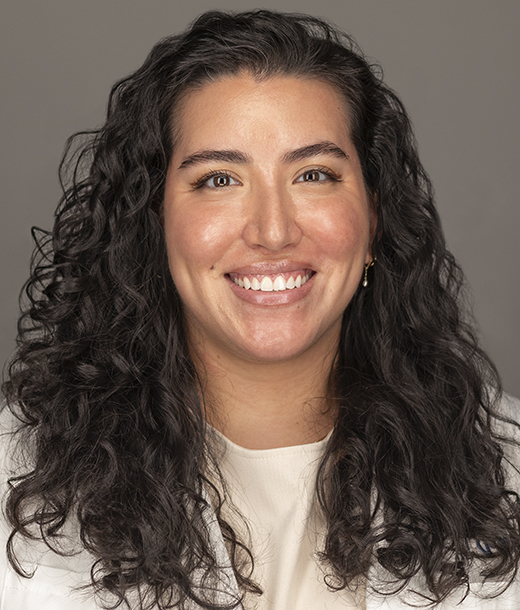
"I assess the bone, nerves, arteries and veins, muscle, skin and lymphatic system," Kareh said. "After the tumor is resected, we evaluate what components are missing and determine what needs to be reconstructed to preserve the limb's function."
In Lancaster's case, the team implanted a custom 3D-printed device after removing the tumor.
"We wanted to make sure this customized implant, which was designed specifically for this patient, had the most robust soft-tissue coverage possible," Lazarides said.
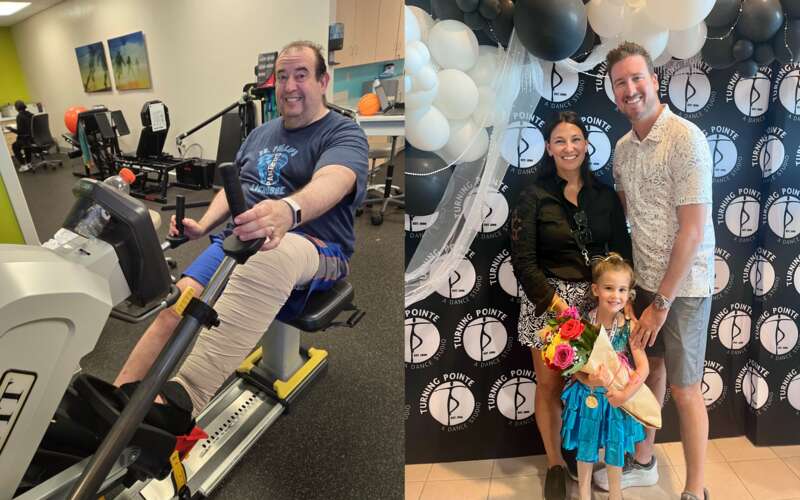
One year after surgery, Lancaster is walking without assistance. His latest scans also show no evidence of disease.
"It's been a difficult journey," Lancaster said. "I'm still going to physical therapy and dealing with some pain, but I have my leg, and I'm grateful for that. I'm getting my life back."
A Different Diagnosis, the Same Goals
Like Lancaster, 54-year-old Miles Katz had always led an active lifestyle. After injuring his hamstring at the gym, doctors initially believed he had a hematoma. When the swelling continued to return and worsen over time, a biopsy revealed myxofibrosarcoma, a rare soft-tissue sarcoma that develops in the connective tissue beneath the skin and often involves muscle, fat or fibrous tissue.
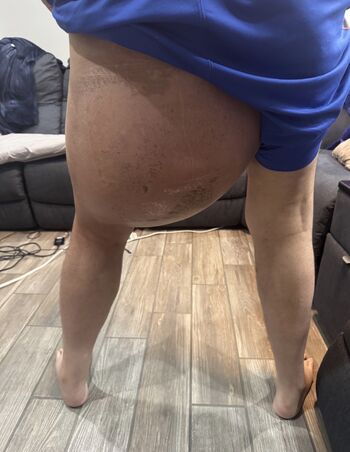
The tumor that was removed from Miles Katz's leg during his surgery at Moffitt weighed around 30 pounds.
"Several doctors I spoke with recommended leg amputation, and one even discussed removing part of my pelvis," Katz said.
Katz sought a second opinion at Moffitt with two goals: treating his cancer and saving his leg.
His treatment began with radiation therapy, followed by surgery performed by Lazarides and Kareh.
"When we evaluated his case, it was clear he had a large tumor," Lazarides said. "However, it was not involving any of his major neurovascular structures."
During the 11-hour operation, they removed the 30-pound tumor from Katz's leg.
"After the tumor was removed, my primary role was reconstructing the wound with healthy tissue and skin," Kareh said. "In his case, we created a flap from his abdomen to his thigh that remained attached. Every patient requires a different reconstructive approach."
Katz achieved both of his goals. He kept his leg, and his most recent scans show no evidence of disease.
"My recommendation for any patient being told the only option is an ablative procedure such as amputation is to seek a second opinion at a multidisciplinary center," Lazarides said. "About 90% of the patients we see are candidates for limb salvage surgery. In the remaining cases, the limb cannot be safely preserved."
Looking to the Future
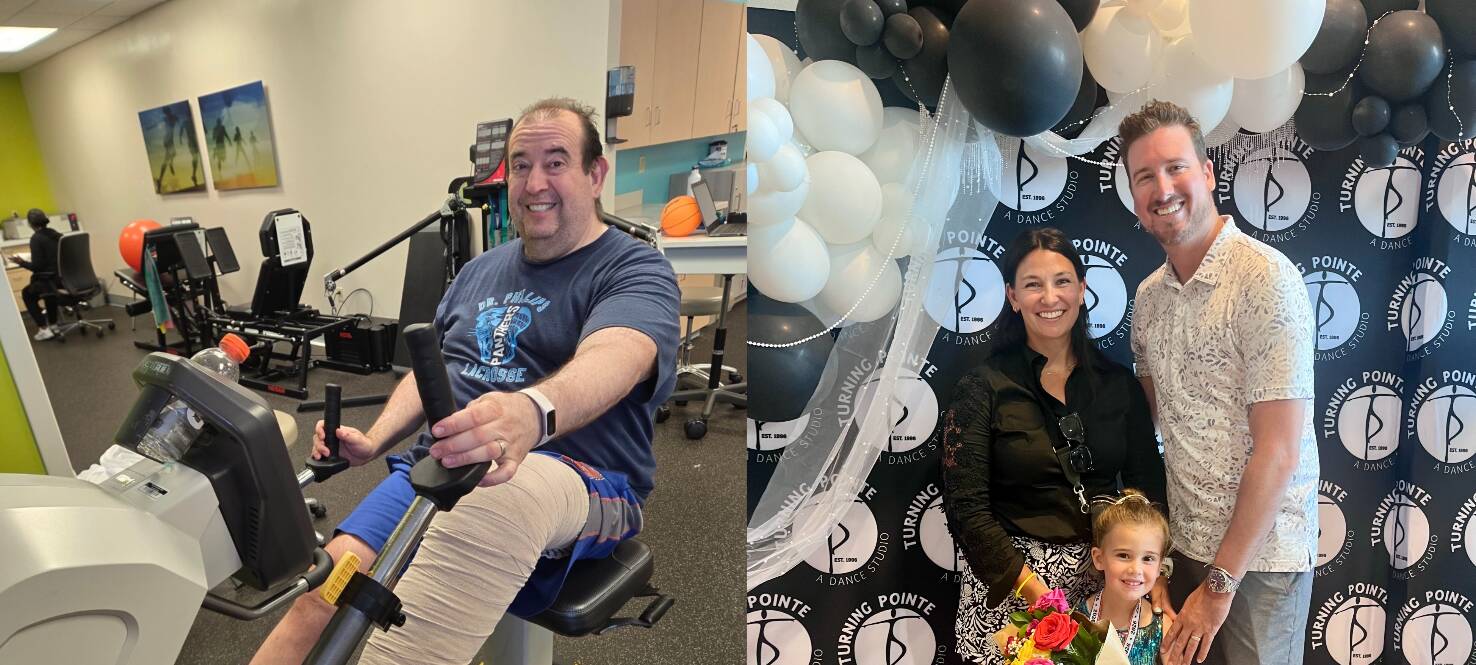
As he continues physical therapy, Katz said he looks forward to returning to regular fishing trips with his son.
"I'm excited to travel with my family," Katz said. "Fishing with my youngest son and doing casual things like swimming."
Lancaster shares a similar outlook.
"I'm ready to get back to golf and some of my other hobbies," Lancaster said. "More than anything, though, I'm grateful to spend time with my family and keep making memories with the people I love."