When It Comes to Colorectal Cancer Risk, Not All Ultra-Processed Foods Are Equal
Key Takeaways:
- New research suggests the nutritional value of a food may matter more than whether it is simply labeled “ultra-processed”
- The study found higher colorectal cancer risk with processed meats, while some whole-grain breads, cereals and dairy products were linked to lower risk
- While occasional processed meats are unlikely to be harmful, experts advise making them an occasional choice rather than an everyday habit
Ultra-processed foods are often grouped together as a dietary risk factor, but a new study suggests the connection to colorectal cancer may be more nuanced.
Researchers analyzing data from more than 460,000 adults found no link between overall ultra-processed food consumption and colorectal cancer risk. Instead, certain foods within the category appeared to affect risk differently.
Foods such as some whole grain breads, breakfast cereals and dairy products were associated with lower colorectal cancer risk, while processed meats were associated with higher risk.
"The takeaway is not that ultra processing doesn't matter," said Megan Delisle, MD, a surgical oncologist in the Gastrointestinal Oncology Department at Moffitt Cancer Center. "What the food actually is matters more than the processing label alone."
The results also offer a possible explanation for why previous studies on ultra-processed foods and colorectal cancer have reached different conclusions.
"Ultra-processed food is a broad category that includes foods that may reduce colorectal cancer risk, such as some whole grain and dairy products, as well as foods known to increase risk, like processed meats," Delisle said. "The practical bottom line reinforces long-standing advice: eat whole grains, fiber, dairy and calcium, and cut back on processed meat."
Looking Beyond the Label

Megan Delisle, MD
Most foods undergo some degree of processing. Ultra-processed foods generally contain ingredients not typically used in home cooking and are often formulated to improve flavor, appearance or shelf life.
Delisle says that's one reason it can be misleading to treat all ultra-processed foods the same.
"I thought it was interesting that overall ultra-processed food intake was not associated with colorectal cancer because we often hear these foods described as uniformly harmful," she said. "The researchers did a good job teasing out that the risk is related not only to how foods are processed but also to their overall nutritional content."
Why Processed Meats Matter
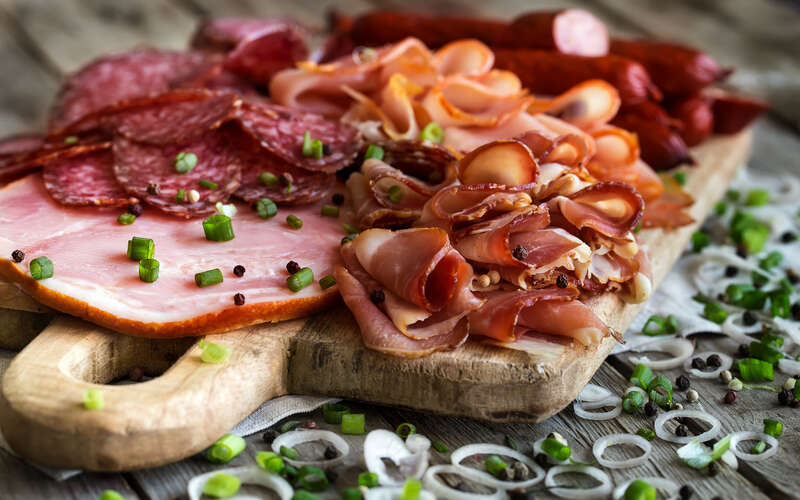
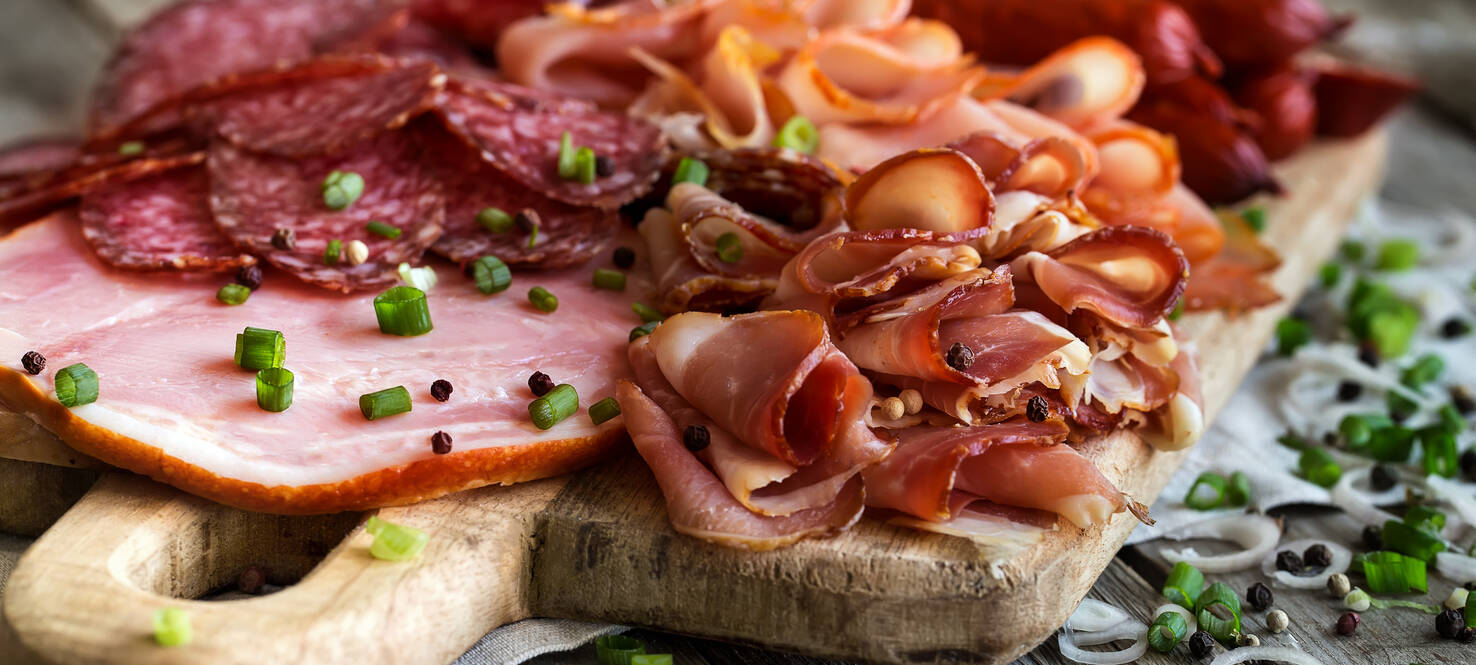
The connection between processed meats and colorectal cancer is not new. Products such as bacon, sausage, hot dogs and pepperoni have been linked to a higher risk of the disease.
"Processed meats contain preservatives such as nitrates and nitrites, as well as a form of iron called heme iron that can cause inflammation of the colon and damage to the DNA of colon cells," Delisle said. "This association is strong enough that the World Health Organization's cancer agency classifies processed meat as a cause of colorectal cancer."
By contrast, nutrients found in some grain and dairy products may help protect the colon.
"Fiber speeds intestinal transit and feeds beneficial gut bacteria," Delisle said. "Calcium can bind compounds in the colon that cause irritation and inflammation and help minimize their effects."
Questions Remain About Rising Rates in Younger Adults
The study arrives as colorectal cancer rates continue to rise among younger adults, a trend researchers are still working to understand.
"Processed meat is a legitimate suspect in the rise of young-onset colorectal cancer, and nitrites and nitrates are one biologically plausible pathway," Delisle said. "But the increase in younger adults is almost certainly multifactorial."
Researchers are also studying the roles of obesity, physical inactivity, early life exposures and changes in the gut microbiome. Many younger patients diagnosed with colorectal cancer do not have obvious risk factors.
What Should People Eat?
Delisle says the findings should not be interpreted as a free pass for all ultra-processed foods. Instead, they reinforce advice that cancer prevention is driven by overall dietary patterns, not simply whether a food is considered processed.
"People shouldn't fear the word 'processed' when it comes to foods like whole grain bread, breakfast cereal, yogurt or milk," she said. "Processed meats are really the component to limit."
There is no scientifically established amount of processed meat that can be considered completely safe.
"Occasional pepperoni or a hot dog is not a catastrophe," Delisle said. "But it's best treated as a once-in-a-while food rather than a daily habit."
Instead, she recommends choosing fish, poultry, beans and other plant-based proteins more often while maintaining a diet rich in fiber and calcium.
"People shouldn't focus on whether a food fits a single category," Delisle said. "When it comes to lowering colorectal cancer risk, the overall quality of your diet matters most."
 Medically reviewed by Megan Delisle, MD, Gastrointestinal Oncology Program