Thyroid Cancer: Signs, Symptoms and What You Need to Know
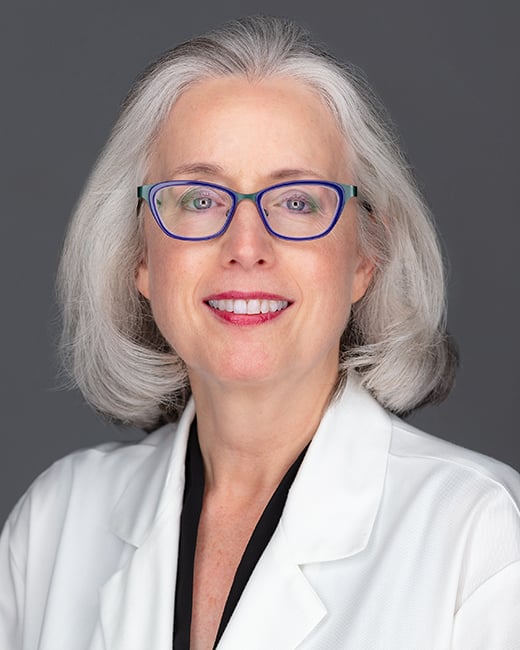
 Medically reviewed by Colleen Veloski, MD, Program Lead, Endocrine Oncology

Thyroid cancer develops in the thyroid, a gland located at the base of the neck that produces important hormones that help control the body’s heart rate, temperature and metabolism. Thyroid cancer can develop at any age, although it is more common among women and people ages 25 to 65.
In its early stages, thyroid cancer usually does not cause noticeable symptoms. When symptoms do occur, they often involve changes in the neck, throat or voice. Knowing the possible signs and symptoms of thyroid cancer can help you be aware of changes that should be discussed with a health care provider.
What are the signs and symptoms of thyroid cancer?
A lump or swelling in the front of the neck is one of the most common signs of thyroid cancer. The lump typically develops near the base of the neck and may be painless. It may also grow quickly or become more noticeable over time. Other possible signs and symptoms include:
- Feeling of fullness in the throat or neck
- Hoarseness or other changes in the voice that do not go away
- Trouble swallowing
- Difficulty breathing
- Persistent pain in the front of the neck or throat, sometimes going up to the ears
- An ongoing cough unrelated to a cold or respiratory infection
- Enlarged lymph nodes in the neck
Does a lump in your neck mean you have thyroid cancer?
Not all lumps in the neck are cancer. Small lumps that occur with a cold or flu and go away in a few days are likely lymph nodes fighting infection. Any lump in the neck that lasts longer than two weeks, grows or feels hard should be checked by a doctor.
Most thyroid nodules are benign, meaning they are not cancerous.
To check if a thyroid nodule is cancer, your doctor may examine your neck, thyroid, throat and lymph nodes. Depending on your symptoms and examination, additional testing may include an ultrasound, blood tests, or a fine needle aspiration (FNA) biopsy.
When should you see a doctor?
Talk with your health care provider if you notice a new lump or swelling in your neck or experience persistent changes involving your voice, swallowing, or breathing. Having one or more of these symptoms does not mean you have thyroid cancer.
However, an evaluation can help determine what may be causing the change and whether additional testing is needed.
Expert Treatment at Moffitt Cancer Center
If you have been diagnosed with thyroid cancer or have concerns about a thyroid lump or other symptoms, Moffitt Cancer Center's Endocrine Oncology Program brings together thyroid cancer experts who provide personalized care. Your treatment plan is tailored to your diagnosis, stage of cancer and overall health.
If you or a loved one has been diagnosed with a thyroid nodule or thyroid cancer, request an appointment or call 1-888-663-3488 with one of our thyroid tumor experts. No referral is needed.