
Skip to nav Skip to content

check mark symbol Medically reviewed by Jaekyung Cheon, MD, Gastrointestinal Medical Oncology Program
liver highlighted in body


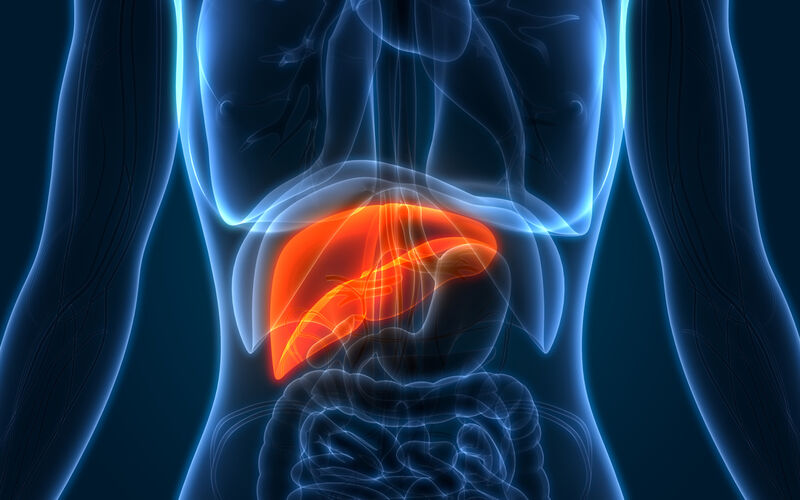
A liver cancer diagnosis can be life-changing. But being told a tumor is "inoperable" does not necessarily mean that treatment is no longer possible. At Moffitt Cancer Center, liver cancer survival rates are 53% higher than the comparison population reported by the Surveillance, Epidemiology, and End Results (SEER) Program, a trusted source of cancer statistics supported by the National Cancer Institute's Division of Cancer Control and Population Sciences. While every patient's situation is different, these outcomes underscore the importance of seeking comprehensive, individualized care when facing a complex cancer diagnosis.

For some people with liver cancer, surgery may not initially appear to be an option because of the tumor's size, location, number of tumors, involvement of nearby blood vessels or the amount of healthy liver that would remain after surgery. However, determining whether a tumor can be treated surgically — or whether another approach may be appropriate — can be complex. 

That is why seeking a second opinion at a comprehensive cancer center with extensive experience treating liver tumors can provide a clearer understanding of your treatment options.

If you've been diagnosed with liver cancer, request an appointment now with one of our liver cancer experts.
Request an Appointment

Does Inoperable Liver Cancer Mean It Can't Be Treated?

We regularly see patients who have been told their tumors are inoperable, and in some cases, our team is able to develop a treatment strategy that makes surgery possible.
Jaekyung Cheon, MD
Gastrointestinal Medical Oncology Program

Liver cancer treatment is not one-size-fits-all. The best approach depends on factors such as the type and stage of cancer, the location and size of the tumor, how well the liver is functioning and a person’s overall health. 

At Moffitt, every patient with liver cancer has their case reviewed by a multidisciplinary tumor board, where experts from different specialties — including surgeons, medical oncologists, radiation oncologists, interventional radiologists and radiologists — work together to determine the most appropriate treatment approach. Patients can then meet with multiple members of their care team during a single visit, reducing the need for multiple appointments and helping move treatment forward more quickly.  

Expanding the possibilities for liver cancer surgery 

For some patients, a tumor that initially appears too complex to remove may become treatable with additional techniques. 

For example, Moffitt offers portal vein embolization, a procedure that can redirect blood flow within the liver to encourage growth of the portion of the liver that will remain after surgery. Moffitt also offers staged hepatectomies and Associating Liver Partition and Portal Vein Ligation for Staged Hepatectomy (ALPPS) for select patients with more complex tumors affecting both sides of the liver. These approaches may allow some patients to undergo surgery when a traditional approach may not have been possible. 

Moffitt's liver surgery program also offers open and minimally invasive liver resections, including complex liver surgery and procedures that involve vascular resection and reconstruction when appropriate. 

What are the Treatment Options for Liver Cancer Besides Surgery?

While surgery can be an important part of liver cancer treatment, it may not be the best approach for every patient. Fortunately, there are other ways to treat liver tumors. 

Moffitt offers a range of treatment options, including liver-directed therapies and systemic treatments, tailored to each patient's cancer while aiming to preserve as much healthy liver tissue and liver function as possible. Depending on the individual situation, these may include: 

  • Ablation: Uses heat, cold or other energy to destroy cancer cells. Moffitt offers percutaneous, laparoscopic and open approaches to liver ablation. 
  • Y-90 radioembolization: Uses tiny radioactive beads to deliver radiation directly to liver tumors through their blood supply. 
  • Chemoembolization: Combines chemotherapy with a procedure that restricts blood flow to a tumor. 
  • External beam and stereotactic radiation: Uses precisely targeted radiation to treat tumors. 
  • Irreversible electroporation: Uses short electrical pulses to destroy cancer cells while helping protect nearby healthy tissue. 
  • Systemic treatment: Uses medications that work throughout the body to treat cancer. Newer combination treatments, including immunotherapy, have improved outcomes and offer the potential for long-term disease control and survival in some patients. In select cases, these treatments may also shrink tumors enough to make surgery or other liver-directed therapies possible.
Why Choose Moffitt Cancer Center for Complex Liver Cancer Treatment?

Complex liver cancer can require highly specialized care, particularly when a tumor is difficult to remove or involves important blood vessels or other structures. Because the liver plays a vital role in the body, doctors consider how to preserve as much healthy liver function as possible when deciding how and where to treat a tumor. 

NCI Desgination badgeMoffitt's hepatobiliary team focuses specifically on cancers of the liver, bile ducts and gallbladder, as well as liver metastases from other cancers. The program offers a broad range of surgical, interventional, radiation and medical treatments, including complex procedures designed to expand treatment possibilities for patients who may not initially appear to be surgical candidates.

For patients whose liver cancer is difficult to treat, access to clinical trials can provide additional treatment options. As a National Cancer Institute-designated Comprehensive Cancer Center, Moffitt combines patient care with research, giving eligible patients opportunities to consider investigational treatments that may not be available at every cancer center. 

Take the Next Step in Your Liver Cancer Care

If you or a loved one has been diagnosed with liver cancer or is seeking a second opinion, Moffitt Cancer Center's liver cancer experts can help you understand your treatment options. A referral is not required to schedule an appointment. 

Call 1-888-663-3488 or submit a new patient registration form online.