Clinical training for the Colorectal Surgical Oncology Fellowship follows an apprenticeship model. The fellow rotates in two-month blocks with colorectal surgical oncologists, so that over the year they see the full breadth of the faculty's operative styles, clinic populations and research programs. Ten months are clinical; two months are flexible for research.
| Clinical Training |
Duration |
| Colorectal Surgical Oncology Service |
10 months |
| Peritoneal Surface Malignancy Service, CRS/HIPEC |
10 months |
| Multidisciplinary Electives |
2 months |
| Protected Research |
2 months |
Operative experience
- Robotic, laparoscopic and open colectomy with selective complete mesocolic excision
- Robotic, laparoscopic and open proctectomy with mesorectal excision
- Abdominoperineal resection, perineal reconstruction
- Extended, multivisceral and pelvic exenterative surgery for locally advanced and recurrent disease
- Cytoreductive surgery and HIPEC for colorectal and appendiceal peritoneal metastases
- Transanal excision and transanal minimally invasive surgery for early rectal cancer and organ preservation
- Colonoscopy, endoscopic surveillance after neoadjuvant therapy and exposure to endoscopic mucosal and submucosal dissection
- Anal cancer evaluation, high-resolution anoscopy and treatment of anal intraepithelial neoplasia
- Reoperative surgery, ostomy management
Responsibilities
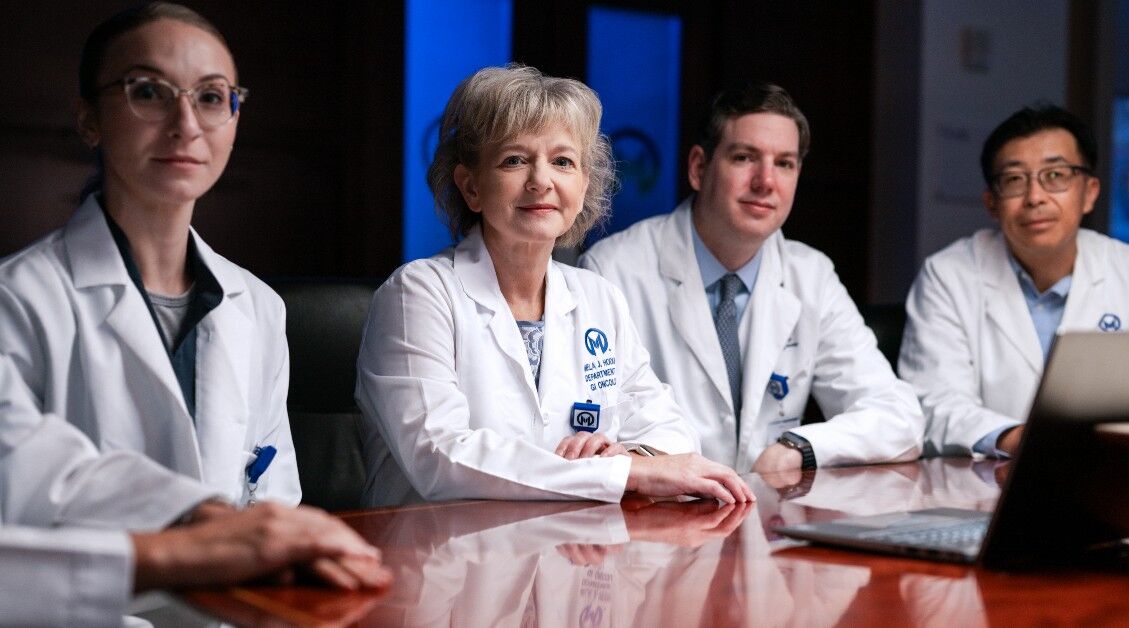
Fellows evaluate new patients alongside faculty, present at tumor board, operate under the attending surgeon's direction with graduated autonomy and direct postoperative care. They help supervise and teach surgical residents and students rotating on the service and work alongside Complex General Surgical Oncology fellows during their colorectal rotations.
A minimum of 120 cancer-related operative procedures logged during the year is required for completion. Robotic console progression follows the department's structured robotic curriculum, with simulator access and staged bedside-to-console milestones.
Electives
One month is reserved for electives chosen with the Program Director: rectal MRI with the abdominal imaging section, radiation oncology including MR-guided adaptive therapy, gastrointestinal medical oncology, advanced endoscopy, gastrointestinal pathology, clinical cancer genetics, or gynecologic oncology for pelvic exposure.
