
Using Genetics to Individualize Drug Therapy
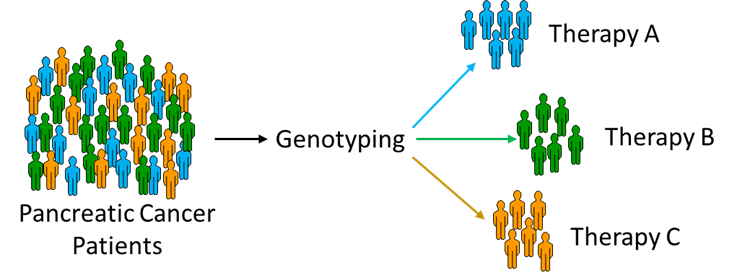
Most pancreatic cancer patients are treated with chemotherapy regimens that can cause significant toxicities. In certain instances, these toxicities are caused by genetic variants that affect how the body processes anti-cancer drugs. Additionally, genetic variants can reduce the efficacy of supportive care medications such as those used to treat nausea or pain.
Pharmacogenetics is focused on understanding how genetic variations can influence the risk of having drug-induced toxicity or non-response to a medication. There is strong, evidence-based clinical data demonstrating that pharmacogenetics can assist with mitigating chemotherapy toxicity risks along with optimizing supportive care drug selection and dosage. Importantly, pharmacogenetic testing can help personalize treatment strategies by preemptively identifying which drugs are more likely to have clinical benefit for each individual patient.
At Moffitt, we have extensive expertise and clinical services to support pharmacogenetic initiatives. However, integrating pharmacogenetics into patient care is impeded by the slow return of test results and lack of informatic tools to remind clinicians of important test results at the point-of-care. There is an urgent need to develop testing methods that offer quick turnaround times so results are available before chemotherapy is initiated and informatic solutions to disseminate test results to clinicians. Under the leadership of Dr. Kevin Hicks and Dr. Dae Won Kim, our goal is to develop innovative strategies to:
- Preemptively integrate pharmacogenetic testing into the care of every patient to mitigate the risk of severe and life-threatening gene-drug interactions.
- Utilize pharmacogenetic results to identify anti-cancer therapies and supportive care medications more likely to benefit each individual patient.
Pancreas Program Update: November 2022